AI identification & appraisal estimate

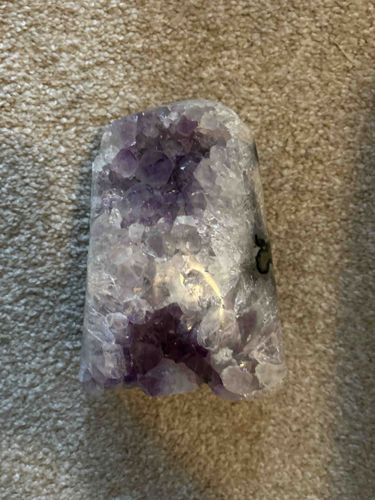
Amethyst Geode/Cluster Segment

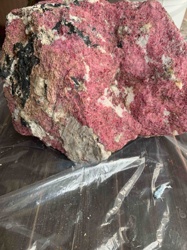
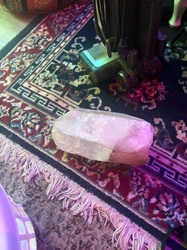
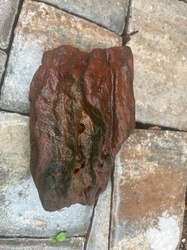
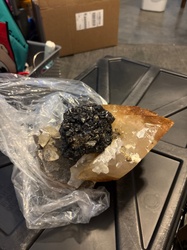
Submitted photo of Amethyst Geode/Cluster Segment
Photo submitted by the user — not generated by AI

User's notes

Stone

These notes were written by the person who submitted this item. Appraiser.AI has not verified them, and the AI's identification and estimate may rely on them.

AI Estimated Value

Not an official valuation

$80 - $150

AI estimate as of November 2, 2025 · verify with a professional before acting

AI-Generated · Verify before acting

Everything on this page is generated by AI for informational purposes only. AI can make mistakes — the AI may misidentify items or misattribute them (artist, maker, brand, designer, origin, era). This is not an official valuation and should not be used for insurance, sale, tax, estate, legal, or lending purposes — or any decision requiring a certified appraisal. It is not an authoritative claim about any person, brand, or rights holder — do not share or rely on it as a factual statement about a third party. Always consult qualified professionals before making financial decisions.

This analysis also relies on unverified notes provided by the user, which may be incomplete or inaccurate and could affect the result.

Read the full disclaimer

AI Item Analysis

This item is a segment of an amethyst geode or a natural amethyst crystal cluster. Its overall shape is somewhat irregular and columnar or block-like, suggesting it may have been cut or broken from a larger formation. The primary physical characteristic is the abundance of crystalline formations, predominantly exhibiting shades of purple, ranging from a pale, almost translucent lavender to a deeper, more saturated violet. These crystals are naturally faceted, presenting a glittering, uneven surface due to their random growth patterns and varying sizes, although most appear to be small to medium-sized druzy crystals. Interspersed with the purple amethyst are areas of clear to milky white quartz crystals, indicating a natural growth alongside the amethyst. The interior appears rich with crystal growth, creating a cave-like or concave effect in some areas. The outer surfaces, where the geode was likely separated from its original rock matrix, appear rough and unpolished, showcasing the natural stone without significant modification, though it's unclear if the base is cut flat for display. There are no visible significant cracks, chips, or artificial repairs from the provided image, suggesting good overall condition. There are no discernible maker's marks or signatures, as is typical for natural mineral specimens unless they are part of a larger, worked art piece. This piece represents a natural mineral specimen, appreciated for its aesthetic beauty and purported metaphysical properties. The quality of the piece is indicated by the density and vibrancy of the amethyst crystallization, which appears to be moderately good.

AI Appraisal Report

Upon visual examination of the provided images, this specimen presents as a natural amethyst crystal cluster segment. The piece displays a moderately good density of crystals with a pleasant range of purple hues, from pale lavender to a richer violet, interspersed with white quartz. The overall condition appears to be good, with no significant visible cracks, large chips, or obvious repairs noted from the imagery. The cut or break from the larger host geode appears typical for such specimens prepared for the decorative market. Commercially, amethyst is one of the more common and accessible crystalline minerals. The market value for specimens like this is primarily determined by size, weight, color saturation, crystal size, and overall aesthetic appeal. Based on comparable sales of similar amethyst clusters of what appears to be a modest, tabletop size, the demand is steady but the supply is plentiful, which tempers the value. Factors positively influencing its value are the decent crystallization and pleasing appearance. The primary factor limiting its value is the commonality of amethyst and the specimen's apparently moderate size and color saturation compared to high-grade examples from locations like Uruguay or Siberia. My appraisal is based solely on the visual information provided. A definitive assessment of authenticity and quality would require in-person examination to confirm weight, dimensions, and to inspect for any treatments (such as heat treatment to enhance color) or repairs not visible in photos. Scientific testing like Raman spectroscopy could definitively identify the mineral composition. Without physical inspection, this appraisal is a fair market estimate based on visual characteristics alone.

Keep exploring

More mineral specimen appraisals

Get your items appraised

Instant AI-powered appraisal estimates from a photo

Browse More Appraisals