AI estimate as of November 3, 2025 · verify with a professional before acting
AI-Generated · Verify before acting
Everything on this page is generated by AI for informational purposes only. AI can make mistakes — the AI may misidentify items or misattribute them (artist, maker, brand, designer, origin, era). This is not an official valuation and should not be used for insurance, sale, tax, estate, legal, or lending purposes — or any decision requiring a certified appraisal. It is not an authoritative claim about any person, brand, or rights holder — do not share or rely on it as a factual statement about a third party. Always consult qualified professionals before making financial decisions.
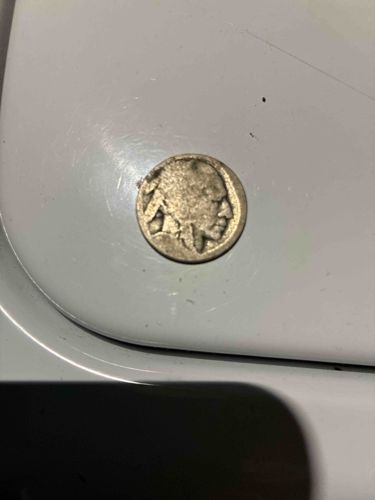
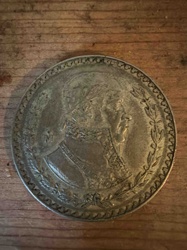
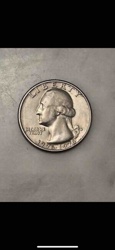
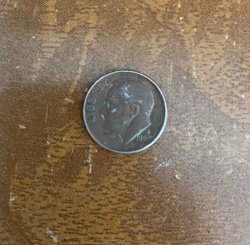
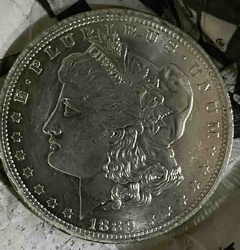
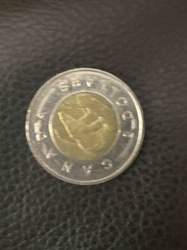
The item depicted is a Buffalo Nickel, also known as an Indian Head Nickel, a five-cent coin in use in the United States from 1913 to 1938. The obverse side, which is visible in the image, features the iconic profile of a Native American chief. The coin appears to be made from a copper-nickel alloy, standard for US nickels of this period, giving it a light silver-gray metallic color with darker tarnished areas, particularly on the raised features and within the incused areas of the design. Its physical characteristics align with a standard American nickel, approximately 21.2 mm in diameter and 5 grams in weight, though precise measurements are not possible from the image.
The notable features visible include the distinct profile of the Native American chief, with a feathered headdress. While the details are somewhat worn, the overall outline of the head and headdress are discernible. The rim of the coin is present but also appears worn, suggesting circulation. There are no visible maker's marks, mint marks, or a clear date, which would typically be located near the shoulder of the chief or under the 'FIVE CENTS' on the reverse. The coin exhibits significant wear, indicating heavy circulation. Key areas such as the chief's facial features, hair braids, and parts of the headdress appear smoothed and flattened. There is also observable surface grime and discoloration, consistent with an older coin that has been handled extensively and may have been exposed to various environments. No obvious repairs or significant damage like deep scratches or gouges are immediately discernible, though the general condition suggests a well-used specimen. The style period is early 20th century American coinage. The craftsmanship is typical of US Mint production for its era, though the fine details have been largely obliterated by wear.
AI Appraisal Report
Based on my visual examination of the provided image, this Buffalo Nickel exhibits significant wear, consistent with extended circulation. The obverse, featuring the iconic Native American chief, shows flattened details in key areas such as the facial features, hair braids, and parts of the headdress. The rim is also worn, and surface grime and discoloration are present. While the overall form and characteristics are consistent with an authentic Buffalo Nickel, the lack of a visible date, mint mark, or fine design elements due to wear prevents precise identification of its year of mintage.
In the current market, heavily circulated Buffalo Nickels with obscured dates, often referred to as 'dateless,' typically command very low values. Their value is primarily driven by their intrinsic metal content and their appeal as a collectible curiosity rather than numismatic rarity. Comparables for such coins are often found in bulk lots or sold individually for under a few dollars. Rarity is not a factor for dateless examples; demand exists mainly among entry-level collectors or those looking to fill basic sets.
The most significant factor impacting its value negatively is the extreme wear, which obliterates critical identifying marks. Without a discernible date, it cannot be identified as a key date or rare variety, which would drastically increase its value.
I must emphasize that this authenticity assessment is limited by examining images alone. A definitive authentication and a more precise grading, which could marginally affect value, would require an in-person examination. This would allow for a tactile inspection of the surface, precise weight and diameter measurements, and examination under magnification to ascertain any subtle details, potential environmental damage, cleaning, or alteration. Furthermore, any provenance documentation would be essential for establishing its history, although for a coin in this condition, provenance is rarely a significant value driver.