Fragmented Sedimentary Rock Specimen
Geological Specimens / Natural Curiosities

Fragmented Sedimentary Rock Specimen

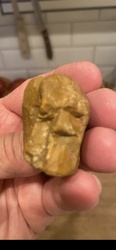
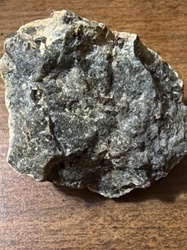
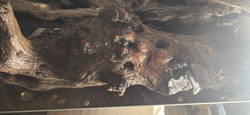
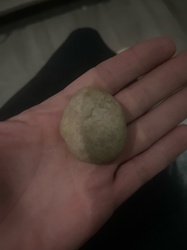
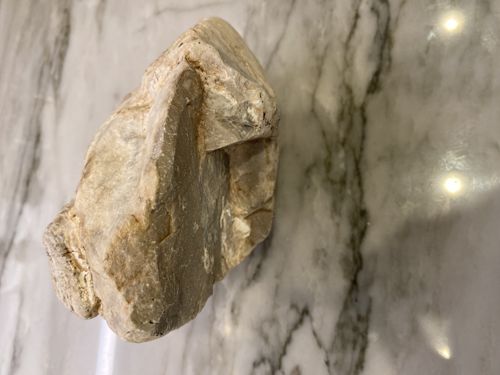
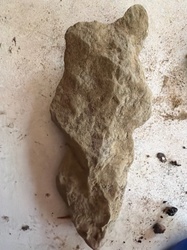
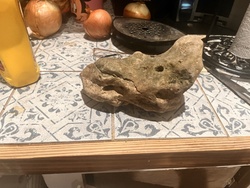
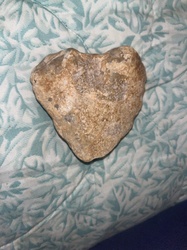
This specimen is an irregular, angular rock fragment primarily composed of light-colored sedimentary material, likely a variety of chert, limestone, or fine-grained sandstone consistent with the geology of central Oklahoma. The item features a palette of cream, tan, and light grey hues with visible earth-tone staining on the recessed surfaces. Its construction is organic and geological, characterized by sharp, angular fractures and irregular bedding planes rather than intentional anthropogenic modification. While the user identifies this as a prehistoric multi-tool, the visible features lack the diagnostic hallmarks of lithic technology, such as clear bulbs of percussion, eraillure scars, or systematic secondary retouching along the edges. The rugged exterior shows natural weathering, including abrasions and accumulation of mineral deposits in crevices. There are no maker's marks, signatures, or stamps, as the item is a natural geological occurrence. The sharp edges are likely the result of mechanical fracturing from environmental pressure or thermal changes rather than deliberate knapping. The condition reflects natural exposure with a matte, chalky patina and no evidence of historical use-wear consistent with tool-grade lithics. In summary, it is a natural rock fragment that mimics a functional shape through coincidental geological formation.
Estimated Value

$0 - $5

Basic Information

Category

Geological Specimens / Natural Curiosities

Appraised On

February 18, 2026

Estimated Value

$0 - $5

Additional Details Provided By Owner

User Provided Information

Found this prospect prehistoric multi tool in Guthrie,OK

Item Description

This specimen is an irregular, angular rock fragment primarily composed of light-colored sedimentary material, likely a variety of chert, limestone, or fine-grained sandstone consistent with the geology of central Oklahoma. The item features a palette of cream, tan, and light grey hues with visible earth-tone staining on the recessed surfaces. Its construction is organic and geological, characterized by sharp, angular fractures and irregular bedding planes rather than intentional anthropogenic modification. While the user identifies this as a prehistoric multi-tool, the visible features lack the diagnostic hallmarks of lithic technology, such as clear bulbs of percussion, eraillure scars, or systematic secondary retouching along the edges. The rugged exterior shows natural weathering, including abrasions and accumulation of mineral deposits in crevices. There are no maker's marks, signatures, or stamps, as the item is a natural geological occurrence. The sharp edges are likely the result of mechanical fracturing from environmental pressure or thermal changes rather than deliberate knapping. The condition reflects natural exposure with a matte, chalky patina and no evidence of historical use-wear consistent with tool-grade lithics. In summary, it is a natural rock fragment that mimics a functional shape through coincidental geological formation.
Get Your Items Appraised

Instant estimates of your treasures with AI-powered instant appraisals

Browse More Appraisals