Paleolithic Chert Scraper Multi-tool
Archaeological Artifacts & Prehistoric Lithics

Paleolithic Chert Scraper Multi-tool

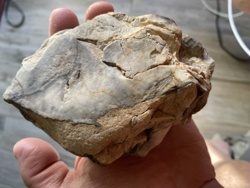
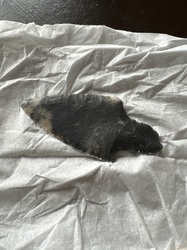
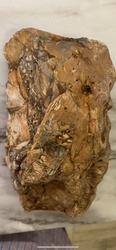
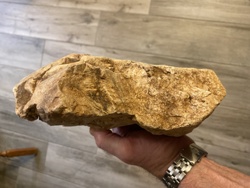
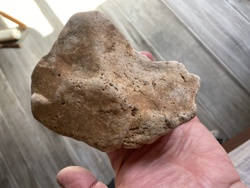
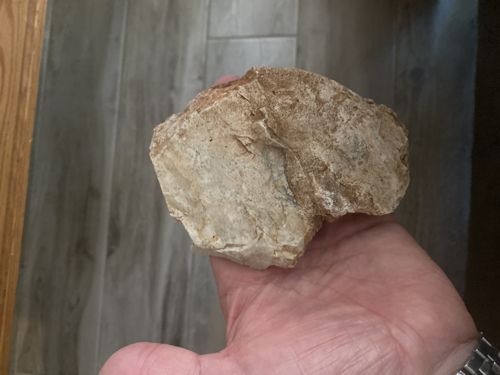
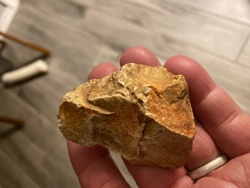
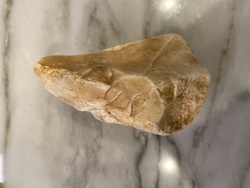
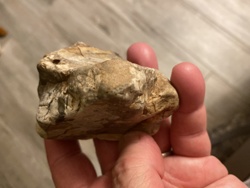
This artifact is a prehistoric stone tool measuring approximately 5 inches by 4 inches, discovered in Guthrie, Oklahoma. It is constructed from a dense, crypto-crystalline sedimentary rock, identified as chert or lithic material common to the Southern Plains region. Physically, the specimen exhibits a varied palette of earthy tones, including cream, buff, and reddish-tan hues, which are indicative of natural iron-oxide staining and mineral deposition over millennia. The tool features deliberate lithic reduction, evidenced by flake scars and conchoidal fractures along the perimeter, suggesting it functioned as a versatile hand-held 'multi-tool' for tasks such as scraping hides, cutting, or processing plant material. The shape is ergonomically suited for a palm grip, showing a thick dorsal side and a more refined, tapered working edge. Notable condition details include a heavy mineral patina and 'desert varnish' as well as rounded edges, which point to significant age and exposure to the elements. While there are no modern maker's marks, the rhythmic 'knapping' patterns across the surface serve as a signature of Paleolithic craftsmanship. The piece appears structurally sound for its age, though it shows ancient impact fractures and edge wear consistent with heavy utility use during the Late Pleistocene or Early Holocene period. This item represents a high-quality example of prehistoric utilitarian technology, demonstrating the sophisticated understanding of raw materials by early indigenous settlers of North America.
Estimated Value

$150 - $300

Basic Information

Category

Archaeological Artifacts & Prehistoric Lithics

Appraised On

February 19, 2026

Estimated Value

$150 - $300

Additional Details Provided By Owner

User Provided Information

Paleolithic chert scraper knife multi tool found in Guthrie OK measuring 5" x 4"

Item Description

This artifact is a prehistoric stone tool measuring approximately 5 inches by 4 inches, discovered in Guthrie, Oklahoma. It is constructed from a dense, crypto-crystalline sedimentary rock, identified as chert or lithic material common to the Southern Plains region. Physically, the specimen exhibits a varied palette of earthy tones, including cream, buff, and reddish-tan hues, which are indicative of natural iron-oxide staining and mineral deposition over millennia. The tool features deliberate lithic reduction, evidenced by flake scars and conchoidal fractures along the perimeter, suggesting it functioned as a versatile hand-held 'multi-tool' for tasks such as scraping hides, cutting, or processing plant material. The shape is ergonomically suited for a palm grip, showing a thick dorsal side and a more refined, tapered working edge. Notable condition details include a heavy mineral patina and 'desert varnish' as well as rounded edges, which point to significant age and exposure to the elements. While there are no modern maker's marks, the rhythmic 'knapping' patterns across the surface serve as a signature of Paleolithic craftsmanship. The piece appears structurally sound for its age, though it shows ancient impact fractures and edge wear consistent with heavy utility use during the Late Pleistocene or Early Holocene period. This item represents a high-quality example of prehistoric utilitarian technology, demonstrating the sophisticated understanding of raw materials by early indigenous settlers of North America.
Get Your Items Appraised

Instant estimates of your treasures with AI-powered instant appraisals

Browse More Appraisals