AI Appraisal Estimate

AI-generated estimates · not official valuations

From the user

What was submitted

Photo and notes provided by the user — not generated by AI

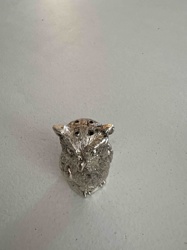
Submitted item photo
Submitted photo · June 28, 2026

User's notes

No additional notes provided.

AI analysis below

AI appraisal

AI analysis & estimate

AI-Generated · Verify before acting

Everything below is generated by AI for informational purposes only. AI can make mistakes — the AI may misidentify items or misattribute them (artist, maker, brand, designer, origin, era). This is not an official valuation and should not be used for insurance, sale, tax, estate, legal, or lending purposes — or any decision requiring a certified appraisal. It is not an authoritative claim about any person, brand, or rights holder — do not share or rely on it as a factual statement about a third party. Always consult qualified professionals before making financial decisions.

Read the full disclaimer

AI Identification

·Not independently authenticated·Verify before acting

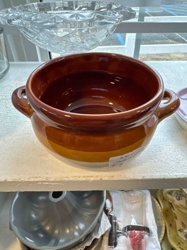
Vintage Copper-Finish Aspic Jelly and Cake Mold

Antique & Vintage Kitchenware

AI Estimated Value

·Not an official valuation·Verify before acting

$15.00 - $25.00

As of June 28, 2026

AI Item Analysis

·AI can make mistakes·Verify before acting
This is a circular, tiered culinary mold used for gelatin, aspic, or cakes. The mold is constructed from lightweight metal, likely aluminum, featuring a copper-toned anodized finish that gives it a high-luster, warm metallic appearance. The top surface of the mold is decorated with a series of rounded, convex 'bubbles' or domed protrusions arranged in concentric circles, while the vertical sides transition into deep, scalloped vertical fluting. This design allows for a decorative impression to be left on the food item once unmolded. The construction suggests it is a mid-20th-century piece, likely from the 1960s or 1970s, a period popular for such decorative kitchenware. While no maker's mark is visible from the top, this style is common to brands like Mirro or copper-tone aluminum manufacturers. Its condition appears excellent with a very bright, reflective surface, showing only minor surface micro-scratching indicative of gentle dusting or storage rather than heavy kitchen use. There are no significant dents, pitting, or loss of the copper finish visible. The craftsmanship is industrial-grade stamping, typical of mass-produced yet durable vintage kitchenware meant for both functional use and wall-mounted display.
AI Appraisal Report

·AI can make mistakes·Verify before acting
I have virtually examined this mid-century culinary mold, which exhibits the classic characteristics of a copper-tone anodized aluminum piece from approximately 1960–1975. The item features a high-luster finish with a distinctive 'bubble' top and scalloped fluting, designs typical of American mass-market manufacturers such as Mirro or Nordic Ware. My visual inspection indicates the item is in excellent vintage condition; the reflective surface is well-preserved, and the lack of deep pitting or significant oxidation suggests it was used primarily for display rather than consistent high-heat baking or acidic gelatin setting. Market demand for this specific category is currently stable but driven largely by the 'cottagecore' and vintage kitchen aesthetic rather than extreme rarity. Comparables for copper-toned aluminum molds are plentiful on the secondary market (eBay, Etsy), typically selling in the $10 to $30 range depending on size and luster. Because these were industrially mass-produced by the thousands, they do not command the high premiums associated with solid hand-hammered copper or 19th-century heavy-gauge molds. My valuation is limited by the digital format of this examination. A physical inspection would be required to verify the presence of a maker’s mark on the interior rim, assess the weight to confirm it is aluminum rather than a heavier plated alloy, and check for any warping or internal food-staining that could impede functionality. While the piece appears authentic to the period, provenance documentation and tactile confirmation of the metal's gauge would be necessary for a definitive authentication of the manufacturer.

Get your items appraised

Instant estimates of your treasures with AI-powered appraisals

Browse More Appraisals