Japanese 10 Yen Coin (Showa Era)
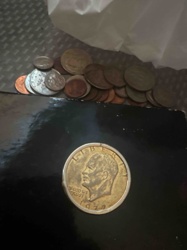
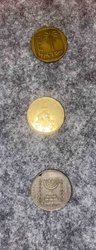
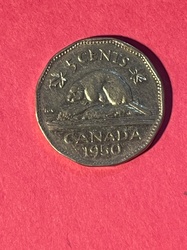
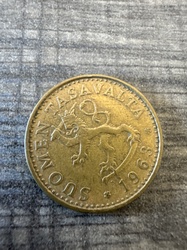
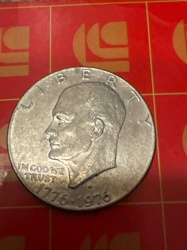
This is a standard circulation Japanese 10 Yen coin, likely minted during the Showa era (1926-1989). The coin is circular and struck in a bronze alloy, typically composed of 95% copper, 3-4% zinc, and 1-2% tin. On the reverse side shown, the large numeral '10' is prominently displayed in the center, flanked by bay laurel branches symbolizing achievement and peace. Below the numeral is the mintage date written in Japanese kanji. The coin features a plain, smooth edge rather than a reeded one, which is characteristic of pieces minted after 1958. Based on its appearance, the metal shows a moderate amount of circulation wear, including surface abrasions and a characteristic dark brown oxidation patina common to copper-based currency. There is visible smoothing on the high relief areas of the number and the leaves. Generally, these coins are 23.5mm in diameter and weigh approximately 4.5 grams. This specific example appears to be an average-circulated piece without significant damage like deep gouges or bending, making it a common but well-preserved historical artifact of Japanese monetary history.
AI-Generated Appraisal Disclaimer
Estimated Value
$0.07 - $0.25
Basic Information
Category
Numismatics (Coins & Currency)
Appraised On
February 15, 2026
Estimated Value
$0.07 - $0.25
Item Description
This is a standard circulation Japanese 10 Yen coin, likely minted during the Showa era (1926-1989). The coin is circular and struck in a bronze alloy, typically composed of 95% copper, 3-4% zinc, and 1-2% tin. On the reverse side shown, the large numeral '10' is prominently displayed in the center, flanked by bay laurel branches symbolizing achievement and peace. Below the numeral is the mintage date written in Japanese kanji. The coin features a plain, smooth edge rather than a reeded one, which is characteristic of pieces minted after 1958. Based on its appearance, the metal shows a moderate amount of circulation wear, including surface abrasions and a characteristic dark brown oxidation patina common to copper-based currency. There is visible smoothing on the high relief areas of the number and the leaves. Generally, these coins are 23.5mm in diameter and weigh approximately 4.5 grams. This specific example appears to be an average-circulated piece without significant damage like deep gouges or bending, making it a common but well-preserved historical artifact of Japanese monetary history.
Related Tags
Get Your Items Appraised
Instant estimates of your treasures with AI-powered instant appraisals