Vintage African Lion (Panthera leo) Canine Tooth
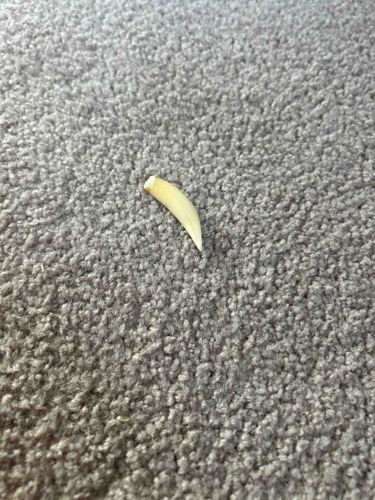
This item is a single canine tooth from a lion (Panthera leo), estimated to be approximately 50 years old based on user context. Physically, the specimen exhibits a curved, conical shape characteristic of apex predator dentition. The material is natural ivory/dentin, displaying a creamy off-white to yellowish patina that indicates natural aging and oxidation over five decades. The tooth measures several inches in length, featuring a sharp, tapered distal end and a broader, flattened proximal end where it would have originally been anchored into the jaw. Notable features include fine longitudinal striations and micro-cracking, often referred to as 'checking,' which is common in organic specimens of this age as they lose moisture. The condition appears stable, though there is visible wear at the tip and some rough texture at the base. There are no artificial coatings, engravings, or scrimshaw visible. This specimen originates from the mid-20th century, a period when such trophies were more commonly collected. Its value as a biological specimen is influenced by its structural integrity and the significant yellowing of the enamel, which provides a sought-after vintage aesthetic for collectors of osteology and natural history curiosities.
AI-Generated Appraisal Disclaimer
Estimated Value
$250 - $400
Basic Information
Category
Natural History Specimens / Taxidermy
Appraised On
January 12, 2026
Estimated Value
$250 - $400
Additional Details Provided By Owner
User Provided Information
Lions tooth 50 years
Item Description
This item is a single canine tooth from a lion (Panthera leo), estimated to be approximately 50 years old based on user context. Physically, the specimen exhibits a curved, conical shape characteristic of apex predator dentition. The material is natural ivory/dentin, displaying a creamy off-white to yellowish patina that indicates natural aging and oxidation over five decades. The tooth measures several inches in length, featuring a sharp, tapered distal end and a broader, flattened proximal end where it would have originally been anchored into the jaw. Notable features include fine longitudinal striations and micro-cracking, often referred to as 'checking,' which is common in organic specimens of this age as they lose moisture. The condition appears stable, though there is visible wear at the tip and some rough texture at the base. There are no artificial coatings, engravings, or scrimshaw visible. This specimen originates from the mid-20th century, a period when such trophies were more commonly collected. Its value as a biological specimen is influenced by its structural integrity and the significant yellowing of the enamel, which provides a sought-after vintage aesthetic for collectors of osteology and natural history curiosities.
Get Your Items Appraised
Instant estimates of your treasures with AI-powered instant appraisals