AI identification & appraisal estimate

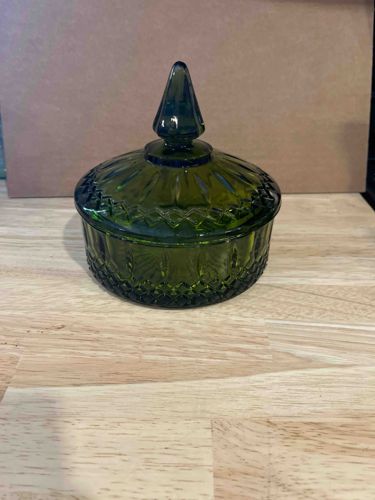
Mid-Century Green Pressed Glass Candy Dish with Lid

This name is the AI's identification of the item — it may be incorrect.

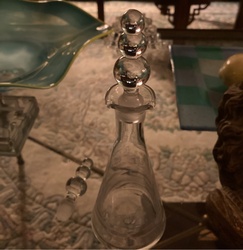
Submitted photo of Mid-Century Green Pressed Glass Candy Dish with Lid
Photo submitted by the user — not generated by AI

User's notes

Mid century

These notes were written by the person who submitted this item. Appraiser.AI has not verified them, and the AI's identification and estimate may rely on them.

AI Estimated Value

Not an official valuation

$25 - $45

AI estimate as of July 9, 2025 · verify with a professional before acting

AI-Generated · Verify before acting

Everything on this page is generated by AI for informational purposes only. AI can make mistakes — the AI may misidentify items or misattribute them (artist, maker, brand, designer, origin, era). This is not an official valuation and should not be used for insurance, sale, tax, estate, legal, or lending purposes — or any decision requiring a certified appraisal. It is not an authoritative claim about any person, brand, or rights holder — do not share or rely on it as a factual statement about a third party. Always consult qualified professionals before making financial decisions.

This analysis also relies on unverified notes provided by the user, which may be incomplete or inaccurate and could affect the result.

Read the full disclaimer

AI Item Analysis

This item is a Mid-Century Modern pressed glass candy dish or lidded jar, characterized by its vibrant forest green color. It comprises two main components: a round bowl and a fitted lid, both crafted from a transparent, colored glass. The bowl features a slightly tapered body with a distinctive geometric pattern pressed into its exterior, resembling a diamond cut or hobnail design. The lid mirrors this intricate patterning around its rim and on its domed surface, culminating in a prominent, faceted finial that tapers to a sharp point. This pyramidal finial serves as both a decorative element and a functional handle for lifting the lid. The overall construction suggests a molded or pressed glass technique, common in mid-20th century production, ensuring consistency in pattern and form. The glass appears to be in very good condition, showing no visible chips, cracks, or significant scratches. The clarity of the glass, despite its deep color, indicates good quality materials, and the consistent molding points to skilled craftsmanship. While no specific maker's marks or signatures are discernible from the image, the style aligns well with popular glassware manufacturers of the period, such as Anchor Hocking or Fostoria, known for their colored pressed glass lines. The design is utilitarian yet ornate, suitable for holding candies, trinkets, or as a standalone decorative accent. Its lack of apparent wear suggests it has been well-preserved.
AI Appraisal Report

Upon examination of the provided images and description, this Mid-Century Modern green pressed glass candy dish is a fine example of popular glassware from the era. The piece appears to be in very good to excellent condition, with no visible chips, cracks, or significant wear noted. The forest green color is vibrant and consistent, and the geometric pressed pattern, likely a variation of a hobnail or diamond cut design, is well-defined, suggesting a quality mold and manufacturing process. The style is characteristic of major American glass manufacturers from the mid-20th century, such as Anchor Hocking, Indiana Glass, or Fostoria, who were prolific producers of such decorative and functional items. The current market for Mid-Century Modern glassware is strong, but these types of lidded candy dishes are relatively common. Their value is primarily driven by color, pattern rarity, and condition. While this particular shade of green is desirable among collectors, the specific pattern does not appear to be one of the rarer or highly sought-after designs. Comparables of similar lidded dishes from known makers in excellent condition typically sell in the $25 to $50 range at auction and on secondary market platforms. It is important to note the limitations of an appraisal based solely on images. A physical examination would be necessary to definitively identify a manufacturer's mark, assess the glass for any subtle imperfections or signs of repair, and confirm its age. Without such marks or provenance, attributing it to a specific, high-value maker is impossible, thus limiting its potential value.

Keep exploring

More decorative glassware appraisals

Get your items appraised

Instant AI-powered appraisal estimates from a photo

Browse More Appraisals