AI Appraisal Estimate

AI-generated estimates · not official valuations

From the user

What was submitted

Photo and notes provided by the user — not generated by AI

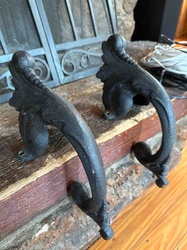
Submitted item photo
Submitted photo · May 24, 2026

User's notes

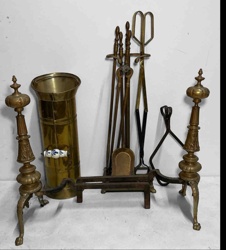
Gilt brass 3 piece fire fender. Origin, provenance, value?

AI analysis below

AI appraisal

AI analysis & estimate

AI-Generated · Verify before acting

Everything below is generated by AI for informational purposes only. AI can make mistakes — the AI may misidentify items or misattribute them (artist, maker, brand, designer, origin, era). This is not an official valuation and should not be used for insurance, sale, tax, estate, legal, or lending purposes — or any decision requiring a certified appraisal. It is not an authoritative claim about any person, brand, or rights holder — do not share or rely on it as a factual statement about a third party. Always consult qualified professionals before making financial decisions.

Note

This analysis also relies on unverified notes provided by the user, which may be incomplete or inaccurate and could affect the result.

Read the full disclaimer

AI Identification

·Not independently authenticated·Verify before acting

Neoclassical Style Gilt Brass 3-Piece Fire Fender Set

Antique Fireplace Furniture

AI Estimated Value

·Not an official valuation·Verify before acting

$1,200 - $1,800 USD

As of May 24, 2026

AI Item Analysis

·AI can make mistakes·Verify before acting
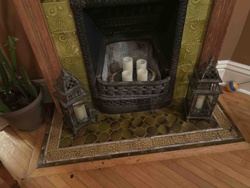
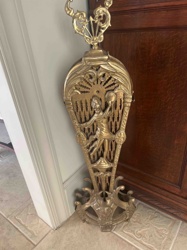
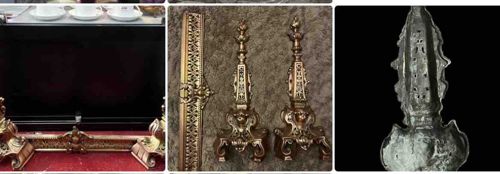
This is a three-piece fireplace equipment set consisting of a horizontal fender rail and two matching decorative chenets ( firedogs). The items are constructed from cast brass with a gilt finish, exhibiting a bright yellow-gold hue typical of 19th-century or early 20th-century decorative metalwork. The fender rail features a central decorative boss with ornate foliate scrollwork and a repeating pierced geometric pattern throughout its length. The two chenets are designed in a vertical, architectural form, topped with urn-shaped finials. The central body of each chenet is adorned with a relief of a cherub or putti face, emerging from elaborate Rococo-style scrolling acanthus leaves. The base of the chenets features heavy, recurved feet that provide stability. Regarding condition, the set shows a consistent aged patina with some darkening in the deeper recesses of the casting. There is visible surface wear to the gilding, particularly on high-rub areas. The underside of the castings (as seen in the third image) shows the rough, unfinished sand-casting texture common in traditional manufacturing. There are no immediately visible structural repairs, but the metal surface displays small pitting and minor oxidative spots consistent with proximity to high heat. Based on the ornate, eclectic mixture of Neoclassical and Rococo Revival elements, this set likely dates from the late 19th Century (Victorian/Belle Époque period). The craftsmanship is of high quality, evidenced by the sharp detail in the cherub faces and the intricate piercing of the metal rail.
AI Appraisal Report

·AI can make mistakes·Verify before acting
Upon my virtual inspection of this three-piece Neoclassical Gilt Brass Fire Fender set, I find it to be a fine example of late 19th-century metalwork, likely of French origin from the Belle Époque period. The sharpness of the cast cherub faces and the intricacy of the pierced rail work suggest a high level of craftsmanship consistent with period manufacturing rather than later 20th-century reproductions. The visible sand-casting texture on the reverse is an excellent indicator of Victorian-era production methods. The condition is commensurate with age; while the oxidation and gilding wear in high-traffic areas are present, they provide a desirable patina that confirms its antique status. In the current decorative arts market, Neoclassical fireplace furniture remains in steady demand, particularly complete sets that retain their original architectural integrity. Comparables at auction for similar three-piece brass sets of this quality typically range between $1,000 and $2,200 depending on the specific foundry marks. Limitation: While the visual evidence is compelling, this appraisal is based on digital imagery. Full authentication would require an in-person examination to verify the weight of the brass, check for hidden maker's marks or foundry stamps (such as 'Barbedienne' or similar Parisian artisans), and confirm that no modern mechanical fasteners have been added during past restorations. Provenance documentation, such as an original bill of sale or photographic evidence of it in a historic interior, would further solidify and potentially increase this valuation.

Get your items appraised

Instant estimates of your treasures with AI-powered appraisals

Browse More Appraisals