AI estimate as of September 12, 2025 · verify with a professional before acting
AI-Generated · Verify before acting
Everything on this page is generated by AI for informational purposes only. AI can make mistakes — the AI may misidentify items or misattribute them (artist, maker, brand, designer, origin, era). This is not an official valuation and should not be used for insurance, sale, tax, estate, legal, or lending purposes — or any decision requiring a certified appraisal. It is not an authoritative claim about any person, brand, or rights holder — do not share or rely on it as a factual statement about a third party. Always consult qualified professionals before making financial decisions.
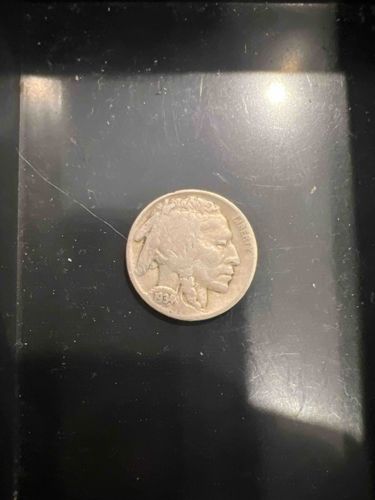
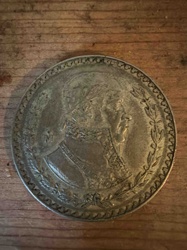
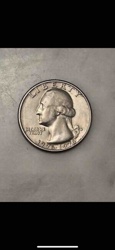
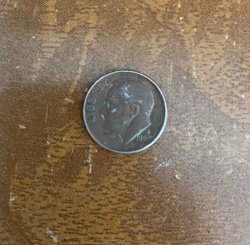
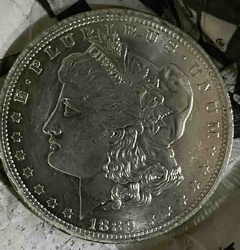
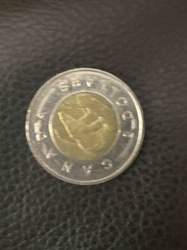
The item is a United States Buffalo Nickel, specifically depicting the obverse (front) side of the coin. The coin is made of a copper-nickel alloy, commonly referred to as cupronickel, as mandated for Buffalo Nickels. Its color appears to be a dull silver-grey, consistent with aged and circulated cupronickel coinage. The obverse features a prominent profile bust of a Native American chief, facing right. He wears two braids and feathers in his hair, with details of his facial features and headwear still discernible, indicating some level of preservation despite wear. Below the chief's chin, the date '1936' is clearly visible, identifying the year of mintage. To the right of the chief's face, the word 'LIBERTY' is faintly inscribed along the rim, though the last few letters are somewhat worn. There are no immediate visible mint marks, which would typically be located below the date on Buffalo Nickels from this period; however, only the obverse is visible in this image. The coin exhibits moderate circulation wear, characterized by flattened high points on the chief's features and hair, and some noticeable scratches and superficial abrasions across its surface, indicative of its age and history of handling. There are no obvious signs of significant damage such as bends or holes, nor any evidence of repairs. The overall condition suggests it is a circulated coin, with a visible patina that is typical for coins of this metallic composition and age. The craftsmanship is consistent with early 20th-century U.S. coinage design by James Earle Fraser. The style period is early 20th-century American coinage (1913-1938).
AI Appraisal Report
I have examined the provided image of what appears to be a 1936 Buffalo Nickel (Obverse). My assessment of its condition is that it is a circulated coin, consistent with its age and the description. The detailing on the Native American chief's bust shows moderate wear, with high points flattened, but key features such as the date '1936' and the 'LIBERTY' inscription (though faint) are visible. The dull silver-grey color and visible patina are typical for aged cupronickel coinage. There are no obvious signs of significant damage like bends or holes, but superficial abrasions are present, indicating general circulation wear.
Authenticator is based on the visual attributes, which align with known characteristics of genuine Buffalo Nickels. The design style is consistent with James Earle Fraser's work for the early 20th-century U.S. coinage.
From a market perspective, 1936 Buffalo Nickels are common in circulated conditions. Demand for heavily circulated examples is generally low among collectors, as a large number of higher-grade specimens are readily available. Rarity is not a factor for this particular date and condition. Factors significantly impacting value include its circulated state and the common mintage year. Without a visible mint mark (which would typically be below the date), I cannot ascertain if it's a Philadelphia (no mint mark), Denver ('D'), or San Francisco ('S') mint, though for common circulated examples, this often doesn't dramatically alter the value.
It is important to note the limitations in authenticity verification from images alone. While the coin appears genuine based on its visual characteristics, a definitive authentication would require an in-person examination to assess its weight, diameter, thickness, and reeded edge (if applicable), which would confirm its metallic composition and deter any potential counterfeiting. Provenance documentation could also provide further historical context, though it's less critical for common circulated coins. For this particular coin, given its current visible condition, extensive scientific testing would likely not be cost-effective or necessary.
In its current condition, an estimated appraisal value for this 1936 Buffalo Nickel is between $0.50 and $2.00, reflecting its status as a common circulated coin with no apparent distinguishing features that would command a premium.