AI Appraisal Estimate

AI-generated estimates · not official valuations

From the user

What was submitted

Photo and notes provided by the user — not generated by AI

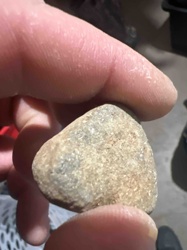
Submitted item photo
Submitted photo · June 15, 2026

User's notes

No additional notes provided.

AI analysis below

AI appraisal

AI analysis & estimate

AI-Generated · Verify before acting

Everything below is generated by AI for informational purposes only. AI can make mistakes — the AI may misidentify items or misattribute them (artist, maker, brand, designer, origin, era). This is not an official valuation and should not be used for insurance, sale, tax, estate, legal, or lending purposes — or any decision requiring a certified appraisal. It is not an authoritative claim about any person, brand, or rights holder — do not share or rely on it as a factual statement about a third party. Always consult qualified professionals before making financial decisions.

Read the full disclaimer

AI Identification

·Not independently authenticated·Verify before acting

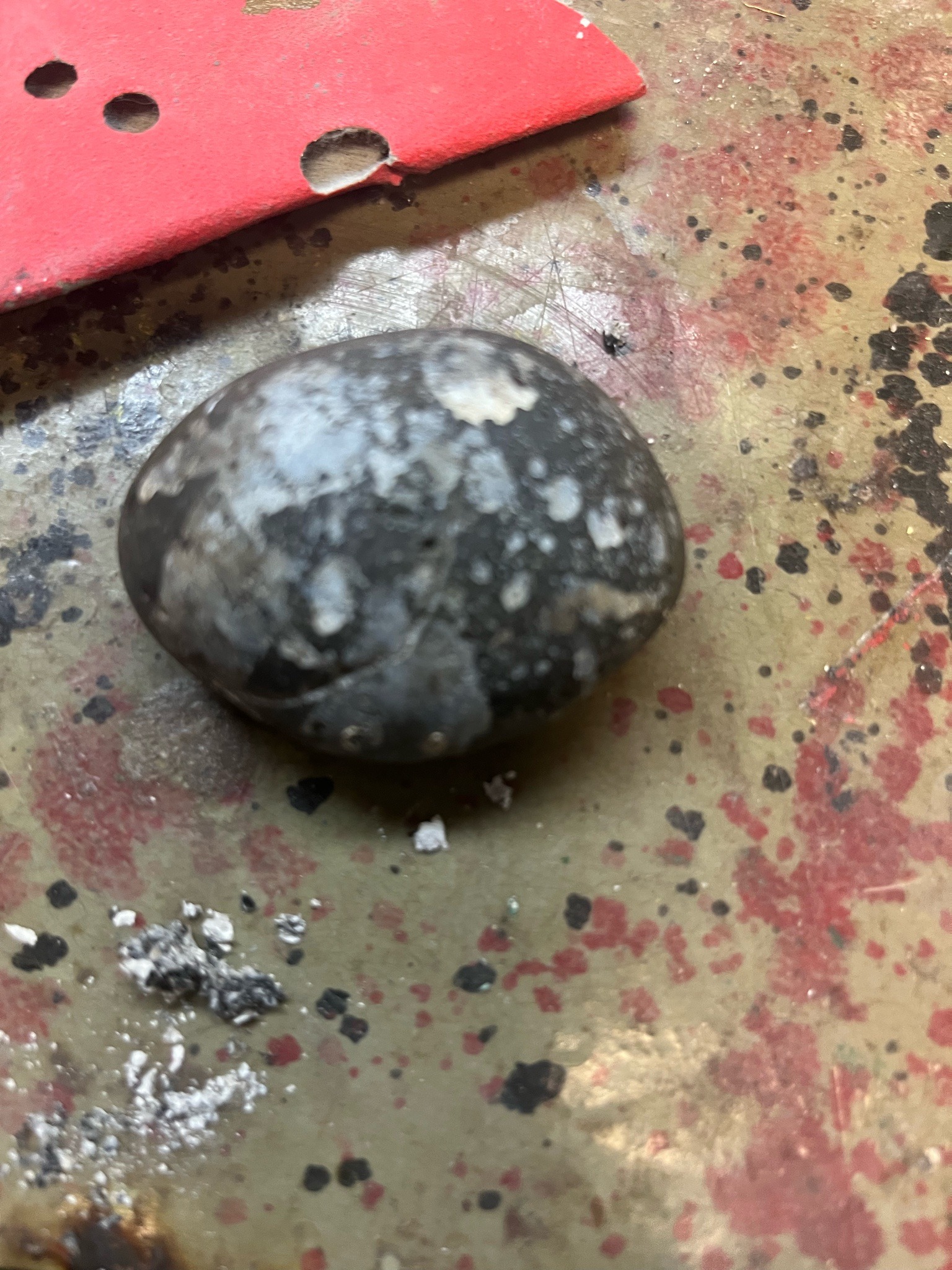
Polished Snowflake Obsidian Stone

Geological Specimens and Semi-Precious Stones

AI Estimated Value

·Not an official valuation·Verify before acting

$5.00 - $12.00

As of June 15, 2026

AI Item Analysis

·AI can make mistakes·Verify before acting
This item is a small, water-worn or mechanically tumbled stone, likely a variety of volcanic glass known as Snowflake Obsidian. Its physical characteristics include a rounded, ovoid, or 'river-rock' shape with a relatively smooth surface texture. The primary color is a deep, matte charcoal to black, interspersed with irregular, grayish-white patches or 'snowflakes,' which are actually inclusions formed by internal spherulites of the mineral cristobalite. The stone appears to be approximately 3 to 5 centimeters in diameter based on its scale relative to the surrounding work surface and materials. Notable features include a prominent linear indentation or internal fissure running across the lower-left section, which may represent an natural fracture line or a structural weakness inherent to its formation. Under close inspection, the surface shows various signs of wear and exposure, including small pits, minor surface abrasions, and a dulling of the natural glassy luster, possibly due to environmental factors or handled use within a workshop setting. There are no visible maker's marks or signatures, as it is a natural geological specimen rather than a manufactured trade good. The quality of the 'snowflake' patterning is moderately dispersed, providing a high-contrast aesthetic typical of volcanic rocks from regions like the American Southwest or Iceland. The stone is currently resting on a distressed, industrial-style surface featuring red and black paint splatters, adjacent to a red abrasive sanding disc, suggesting its use in a craft, lapidary, or workshop environment.
AI Appraisal Report

·AI can make mistakes·Verify before acting
I have examined the digital image of the Polished Snowflake Obsidian Stone. This specimen is a natural volcanic glass characterized by its iconic cristobalite inclusions. Based on my visual inspection, the stone displays a typical tumbled finish common for lapidary rough, though its luster appears slightly dulled by surface abrasions and workshop exposure. A notable linear fissure suggests internal structural fragility, which is a common natural defect but slightly lowers its aesthetic grade. In the current market, Snowflake Obsidian is an abundant geological material primarily sourced from regions like Utah, Mexico, and Iceland. As a mass-produced or naturally occurring tumble-stone, it lacks rarity. Similar specimens are readily available at retail in 'rock shops' or mineral galleries for low figures. The value is driven purely by its decorative appeal and modest size (3-5cm). However, this appraisal is subject to limitations: a physical inspection is required to confirm the stone's density and verify that it is not a synthetic glass imitation. Furthermore, checking for subsurface fractures with a loupe or backlighting would be necessary to determine its suitability for high-end jewelry use. Without a professional hardness test or provenance regarding its specific locality of origin, this valuation remains an estimate based on commonly traded commercial-grade mineral samples.

Get your items appraised

Instant estimates of your treasures with AI-powered appraisals

Browse More Appraisals