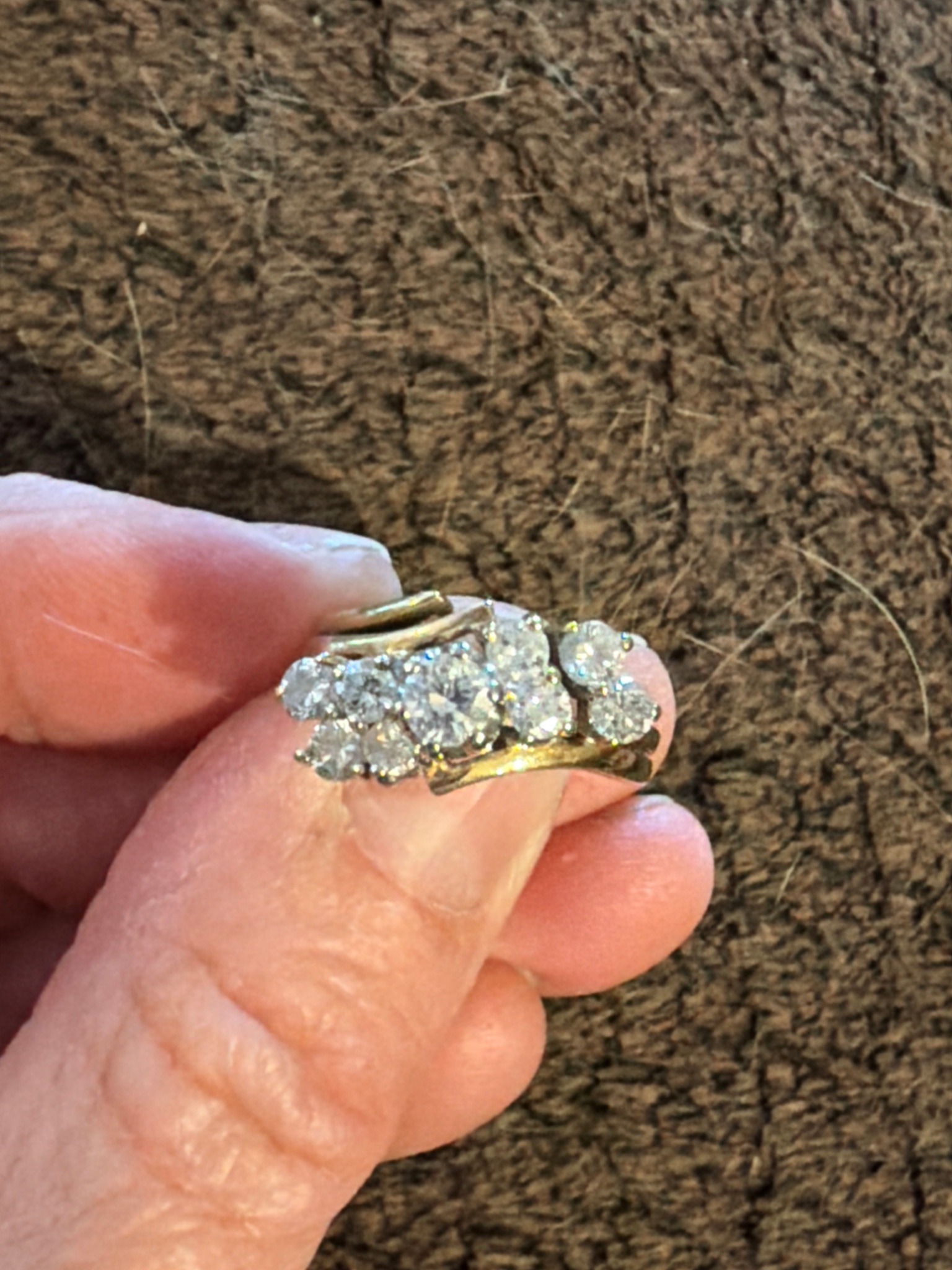
Multi-Stone Diamond Waterfall Ring in Yellow Gold
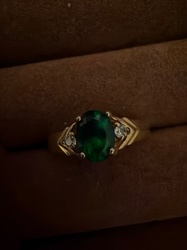
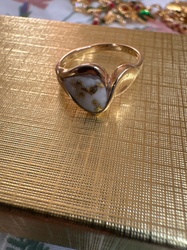
This is a contemporary-to-vintage style multi-stone cluster ring, often referred to as a 'waterfall' or 'stair-step' design. The ring features approximately seven to nine round brilliant-cut stones, which appear to be diamonds, though they would require testing to confirm if they are natural, lab-grown, or simulants such as cubic zirconia. The stones are arranged in a dynamic, tiered formation held by individual prongs. The central stone is the largest, flanked by slightly smaller graduated stones that create a sense of movement. The band is crafted from yellow metal, most likely 10k or 14k yellow gold based on common manufacturing standards for this style. The metal displays a polished finish with some visible surface scratches and minor patina, suggesting regular wear. The prongs appear intact, though some may require tightening by a jeweler for long-term security. The bypass-style shoulders of the ring curve elegantly around the central cluster, adding to the fluid aesthetic. No maker's marks or fineness stamps are visible in this view, but they are likely located on the inner shank. This style was particularly popular from the late 1970s through the 1990s.
AI-Generated Appraisal Disclaimer
Estimated Value
$450 - $650
Basic Information
Category
Fine Jewelry / Rings
Appraised On
April 27, 2026
Estimated Value
$450 - $650
Item Description
This is a contemporary-to-vintage style multi-stone cluster ring, often referred to as a 'waterfall' or 'stair-step' design. The ring features approximately seven to nine round brilliant-cut stones, which appear to be diamonds, though they would require testing to confirm if they are natural, lab-grown, or simulants such as cubic zirconia. The stones are arranged in a dynamic, tiered formation held by individual prongs. The central stone is the largest, flanked by slightly smaller graduated stones that create a sense of movement. The band is crafted from yellow metal, most likely 10k or 14k yellow gold based on common manufacturing standards for this style. The metal displays a polished finish with some visible surface scratches and minor patina, suggesting regular wear. The prongs appear intact, though some may require tightening by a jeweler for long-term security. The bypass-style shoulders of the ring curve elegantly around the central cluster, adding to the fluid aesthetic. No maker's marks or fineness stamps are visible in this view, but they are likely located on the inner shank. This style was particularly popular from the late 1970s through the 1990s.
Get Your Items Appraised
Instant estimates of your treasures with AI-powered instant appraisals