Paleolithic Chert Scraper and Multi-Tool
Prehistoric Artifacts / Lithic Tools

Paleolithic Chert Scraper and Multi-Tool

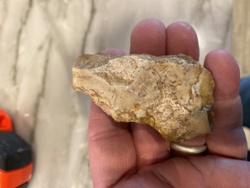
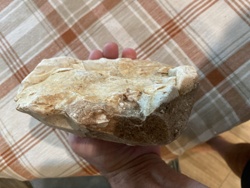
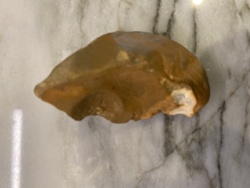
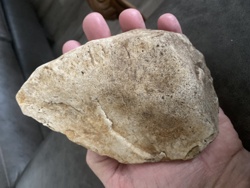
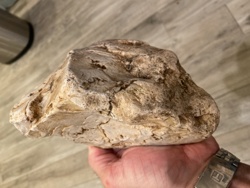
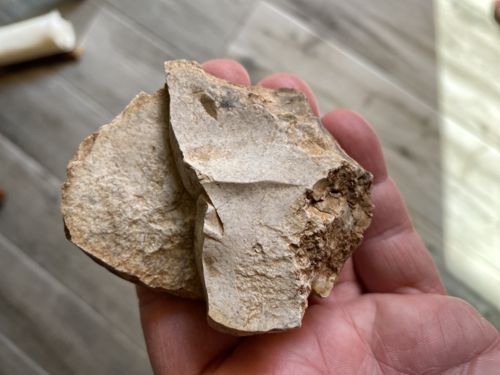
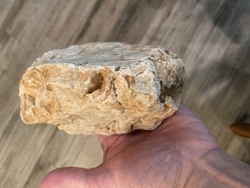
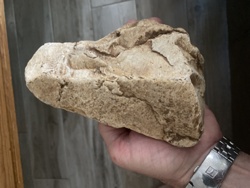
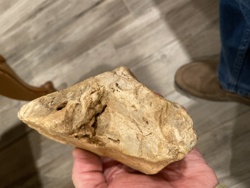
This is a prehistoric lithic tool, identified as a scraper or multi-tool, recovered from the Guthrie, Oklahoma area. Measuring approximately 2.75 inches by 2.75 inches, the artifact is fashioned from a light-colored chert or flint material, exhibiting a range of earthy tones from creamy beige to tan with darker ochre inclusions and iron staining consistent with long-term burial. The tool's construction shows evidence of intentional percussion flaking, with clear conchoidal fractures and bulb-of-force remnants indicating human manufacture rather than natural geofact formation. The edges appear to have been unifacially or bifacially worked to create a sharp, durable edge suitable for hide scraping, cutting, or woodworking. The surface displays a distinct patina and mineral encrustation in textured areas, which reinforces its antiquity. No modern tool marks are visible; however, there are some jagged edges that may represent ancient use-wear or post-depositional micro-chipping. Such an artifact is characteristic of North American lithic technology from the Paleo-Indian or Archaic periods, showcasing high-quality craftsmanship in the selection of cryptocrystalline silicate material. The weight appears substantial for its size, designed for a comfortable hand-held grip during utility tasks.
Estimated Value

$75 - $150

Basic Information

Category

Prehistoric Artifacts / Lithic Tools

Appraised On

February 19, 2026

Estimated Value

$75 - $150

Additional Details Provided By Owner

User Provided Information

Paleolithic chert scraper knife multi tool found in Guthrie, OK measuring 2.75" x 2.75"

Item Description

This is a prehistoric lithic tool, identified as a scraper or multi-tool, recovered from the Guthrie, Oklahoma area. Measuring approximately 2.75 inches by 2.75 inches, the artifact is fashioned from a light-colored chert or flint material, exhibiting a range of earthy tones from creamy beige to tan with darker ochre inclusions and iron staining consistent with long-term burial. The tool's construction shows evidence of intentional percussion flaking, with clear conchoidal fractures and bulb-of-force remnants indicating human manufacture rather than natural geofact formation. The edges appear to have been unifacially or bifacially worked to create a sharp, durable edge suitable for hide scraping, cutting, or woodworking. The surface displays a distinct patina and mineral encrustation in textured areas, which reinforces its antiquity. No modern tool marks are visible; however, there are some jagged edges that may represent ancient use-wear or post-depositional micro-chipping. Such an artifact is characteristic of North American lithic technology from the Paleo-Indian or Archaic periods, showcasing high-quality craftsmanship in the selection of cryptocrystalline silicate material. The weight appears substantial for its size, designed for a comfortable hand-held grip during utility tasks.
Get Your Items Appraised

Instant estimates of your treasures with AI-powered instant appraisals

Browse More Appraisals