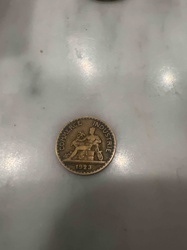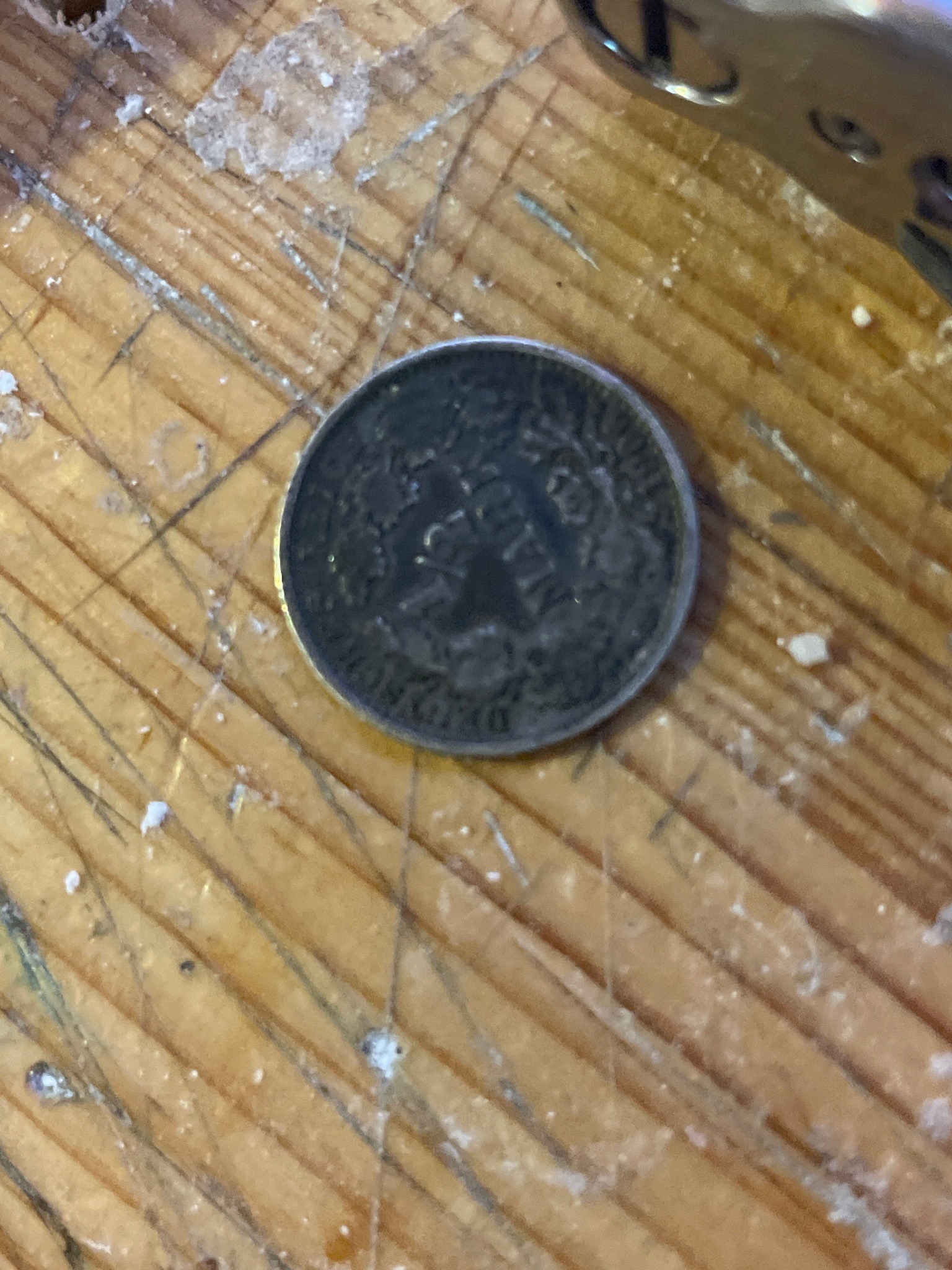
German Empire 1906 Half Mark (1/2 Mark) Silver Coin
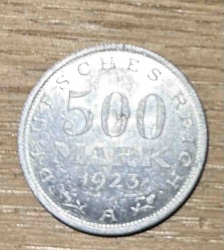
This is a circular 1/2 Mark silver coin minted during the German Empire period, specifically dated 1906. The coin is composed of .900 silver and typically has a diameter of 20mm and a weight of approximately 2.77 grams. The reverse side (shown) features the denomination '1/2 MARK' and the date '1906' framed by a crown above and a laurel wreath surrounding the text. The obverse would feature the German Imperial Eagle. The coin exhibits a very dark, heavy patina, likely due to oxidation or long-term storage in a sulfurous environment, resulting in a charcoal-gray to black coloration. This 'toning' significantly obscures the finer details of the struck surface. The physical condition appears to be circulated, with visible wear on the high points of the wreath and lettering. The strike remains legible despite the heavy surface tarnish. The coin is representative of early 20th-century German numismatics, specifically the coinage of the Hohenzollern dynasty under Kaiser Wilhelm II. No major cleaning or mechanical damage is noted on the edges in this view, though the wood-grain background provides scale for its small size. The craftsmanship is typical for mass-produced currency of the Berlin (A) or other state mints of that era.
AI-Generated Appraisal Disclaimer
Estimated Value
$4.00 - $8.00
Basic Information
Category
Numismatics / Historical Currency
Appraised On
April 28, 2026
Estimated Value
$4.00 - $8.00
Additional Details Provided By Owner
User Provided Information
1906 1/2 mark
Item Description
This is a circular 1/2 Mark silver coin minted during the German Empire period, specifically dated 1906. The coin is composed of .900 silver and typically has a diameter of 20mm and a weight of approximately 2.77 grams. The reverse side (shown) features the denomination '1/2 MARK' and the date '1906' framed by a crown above and a laurel wreath surrounding the text. The obverse would feature the German Imperial Eagle. The coin exhibits a very dark, heavy patina, likely due to oxidation or long-term storage in a sulfurous environment, resulting in a charcoal-gray to black coloration. This 'toning' significantly obscures the finer details of the struck surface. The physical condition appears to be circulated, with visible wear on the high points of the wreath and lettering. The strike remains legible despite the heavy surface tarnish. The coin is representative of early 20th-century German numismatics, specifically the coinage of the Hohenzollern dynasty under Kaiser Wilhelm II. No major cleaning or mechanical damage is noted on the edges in this view, though the wood-grain background provides scale for its small size. The craftsmanship is typical for mass-produced currency of the Berlin (A) or other state mints of that era.
Get Your Items Appraised
Instant estimates of your treasures with AI-powered instant appraisals