AI Appraisal Estimate

AI-generated estimates · not official valuations

From the user

What was submitted

Photo and notes provided by the user — not generated by AI

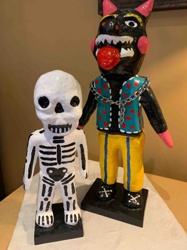
Submitted item photo
Submitted photo · June 8, 2026

User's notes

No additional notes provided.

AI analysis below

AI appraisal

AI analysis & estimate

AI-Generated · Verify before acting

Everything below is generated by AI for informational purposes only. AI can make mistakes — the AI may misidentify items or misattribute them (artist, maker, brand, designer, origin, era). This is not an official valuation and should not be used for insurance, sale, tax, estate, legal, or lending purposes — or any decision requiring a certified appraisal. It is not an authoritative claim about any person, brand, or rights holder — do not share or rely on it as a factual statement about a third party. Always consult qualified professionals before making financial decisions.

Read the full disclaimer

AI Identification

·Not independently authenticated·Verify before acting

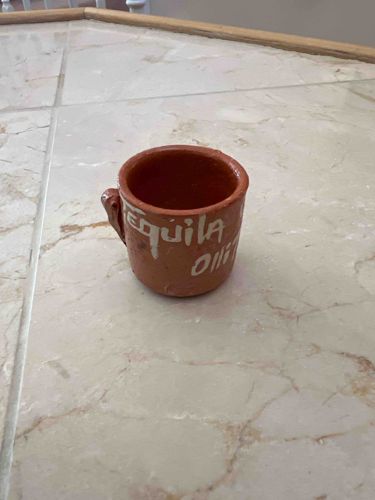
Artisanal Mexican Terracotta Tequila shot glass (Cantarito style)

Handmade Ceramics / Mexican Folk Art

AI Estimated Value

·Not an official valuation·Verify before acting

$5 - $15

As of June 8, 2026

AI Item Analysis

·AI can make mistakes·Verify before acting
This is a small, handcrafted tequila vessel, often referred to in Mexican culture as a 'cantarito' or 'tequilero'. The item is constructed from natural red earthenware terracotta clay, featuring a rustic, unrefined finish consistent with traditional folk-art techniques. It stands approximately 2-3 inches tall with a cylindrical body and a small, rudimentary loop handle attached to the side. The exterior body is decorated with hand-painted white slip or paint reading 'Tequila' and 'Ollita' (meaning little pot) in a stylized, folk-lettering script. The piece demonstrates a clear handmade aesthetic with visible finger marks, uneven rim thickness, and asymmetrical handle placement. The surface shows a light glaze or burnishing on the interior to mitigate the porosity of the clay, though the exterior remains largely matte. In terms of condition, there are visible surface imperfections including small pits and minor chipping consistent with the material's fragile nature. A notable dark spot near the handle suggests a firing blemish or a slight mineral stain in the clay. The item likely dates from the late 20th to early 21st century and is a common souvenir or utilitarian piece from the Jalisco region of Mexico, specifically Tlaquepaque or Tonala. Its value is primarily decorative or sentimental, representing authentic regional craftsmanship.
AI Appraisal Report

·AI can make mistakes·Verify before acting
I have examined the provided images of this terracotta 'cantarito' or 'tequilero'. The piece is an authentic representation of Mexican folk earthenware, consistent with mid-to-late 20th-century production from the Jalisco region. The hand-painted 'Ollita' and 'Tequila' inscriptions use traditional white slip techniques typical of Tlaquepaque tourist ware. The condition is fair; while the firing blemish near the handle and minor pitting at the rim are characteristic of the rustic 'barro' firing process, they do detract from the aesthetic value for higher-end folk art collectors. The market for these items is saturated, as they are produced in high volumes for the souvenir trade and local utilitarian use. Comparable items frequently sell in 'mercados' for a few dollars or in United States vintage markets/thrift shops for under $20. There is no significant rarity associated with this specific form or script style. The primary value drivers are its functional charm and its representation of regional craft, rather than investment-grade scarcity. Limitations: My assessment is based on visual data only. I cannot verify the presence of lead in the glaze, which is common in older Mexican terracotta and would affect its value as a functional vessel versus a decorative one. A physical inspection would be required to determine if the 'slip' is traditional mineral-based clay or modern acrylic paint. Furthermore, while the markings suggest a Jalisco origin, provenance via a maker's mark or workshop documentation would be necessary to attribute this to a specific known artisan, which could marginally increase collector interest.

Get your items appraised

Instant estimates of your treasures with AI-powered appraisals

Browse More Appraisals