AI identification & appraisal estimate

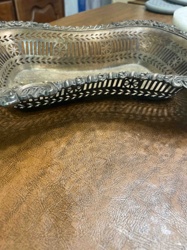
Pierced Sterling Silver or Silver-Plated Tableware Piece

This name is the AI's identification of the item — it may be incorrect.

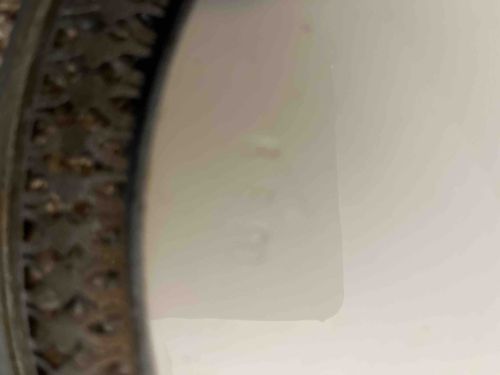
Submitted photo of Pierced Sterling Silver or Silver-Plated Tableware Piece
Photo submitted by the user — not generated by AI

AI Estimated Value

Not an official valuation

$45 - $85

AI estimate as of January 24, 2026 · verify with a professional before acting

AI-Generated · Verify before acting

Everything on this page is generated by AI for informational purposes only. AI can make mistakes — the AI may misidentify items or misattribute them (artist, maker, brand, designer, origin, era). This is not an official valuation and should not be used for insurance, sale, tax, estate, legal, or lending purposes — or any decision requiring a certified appraisal. It is not an authoritative claim about any person, brand, or rights holder — do not share or rely on it as a factual statement about a third party. Always consult qualified professionals before making financial decisions.

Read the full disclaimer

AI Item Analysis

This item appears to be a portion of a high-quality decorative tableware piece, likely a coaster, tray, or tazza, featuring a combination of glass or porcelain and an ornate metal rim. The metal border displays intricate openwork piercing in a geometric or stylized floral lattice pattern, characteristic of late 19th-century or early 20th-century Victorian or Edwardian craftsmanship. The metal, potentially sterling silver or silver plate, shows a significant dark aged patina within the recessed areas of the piercing, which highlights the depth of the metalwork. The interior surface is a smooth, opaque white material, possibly milk glass or fine porcelain, providing a clean contrast to the textured metallic border. Visible in the center of the white surface are faint indentations or impressed marks that likely correspond to a maker's hallmark or pattern number, though they are blurred in this view. The overall condition shows signs of use with slight surface grime and oxidation consistent with age. This style of decorative metal-and-glass fuse flourished around 1900, emphasizing elegance through contrasting materials and delicate fretwork.
AI Appraisal Report

Based on my examination of the image provided, this piece appears to be a coaster or small trivet, likely dating to the late Victorian or Edwardian era (circa 1890–1910). The combination of reticulated (pierced) metalwork surrounding a milk glass or porcelain insert was a popular style for table protection during this period, often produced by American silversmiths like Webster, Wallace, or Gorham, or silver-plate manufacturers like Wilcox. The metalwork exhibits a distinct, dark patina within the recesses, suggesting silver content, though without clearly legible hallmarks, I cannot definitively confirm whether this is sterling silver or silver plate. If sterling, the value would lean toward the higher end; if plated base metal, it settles lower. The central white insert appears intact, free of major cracks, though there is visible surface grime. The market for single coasters or small trivets is relatively soft compared to complete sets. While the intricate lattice work is aesthetically pleasing, these are fairly common antiques. Value is primarily driven by the metal content and maker. The faint indentations mentioned in the center are critical; if they reveal a prestigious maker's mark or a 'Sterling' stamp upon closer inspection, the appraisal could increase. Conversely, if the metal is merely varying grades of white metal or nickel silver, the value is decorative only. For a definitive valuation, I would need to physically inspect the hallmarks under magnification and test the metal purity to distinguish between solid silver and plate.

Keep exploring

More antique decorative arts & tableware appraisals

Get your items appraised

Instant AI-powered appraisal estimates from a photo

Browse More Appraisals