AI Appraisal Estimate

AI-generated estimates · not official valuations

From the user

What was submitted

Photo and notes provided by the user — not generated by AI

Submitted item photo
Submitted photo · June 10, 2026

User's notes

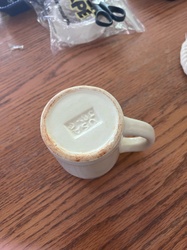
Finest ironstone Japan

AI analysis below

AI appraisal

AI analysis & estimate

AI-Generated · Verify before acting

Everything below is generated by AI for informational purposes only. AI can make mistakes — the AI may misidentify items or misattribute them (artist, maker, brand, designer, origin, era). This is not an official valuation and should not be used for insurance, sale, tax, estate, legal, or lending purposes — or any decision requiring a certified appraisal. It is not an authoritative claim about any person, brand, or rights holder — do not share or rely on it as a factual statement about a third party. Always consult qualified professionals before making financial decisions.

Note

This analysis also relies on unverified notes provided by the user, which may be incomplete or inaccurate and could affect the result.

Read the full disclaimer

AI Identification

·Not independently authenticated·Verify before acting

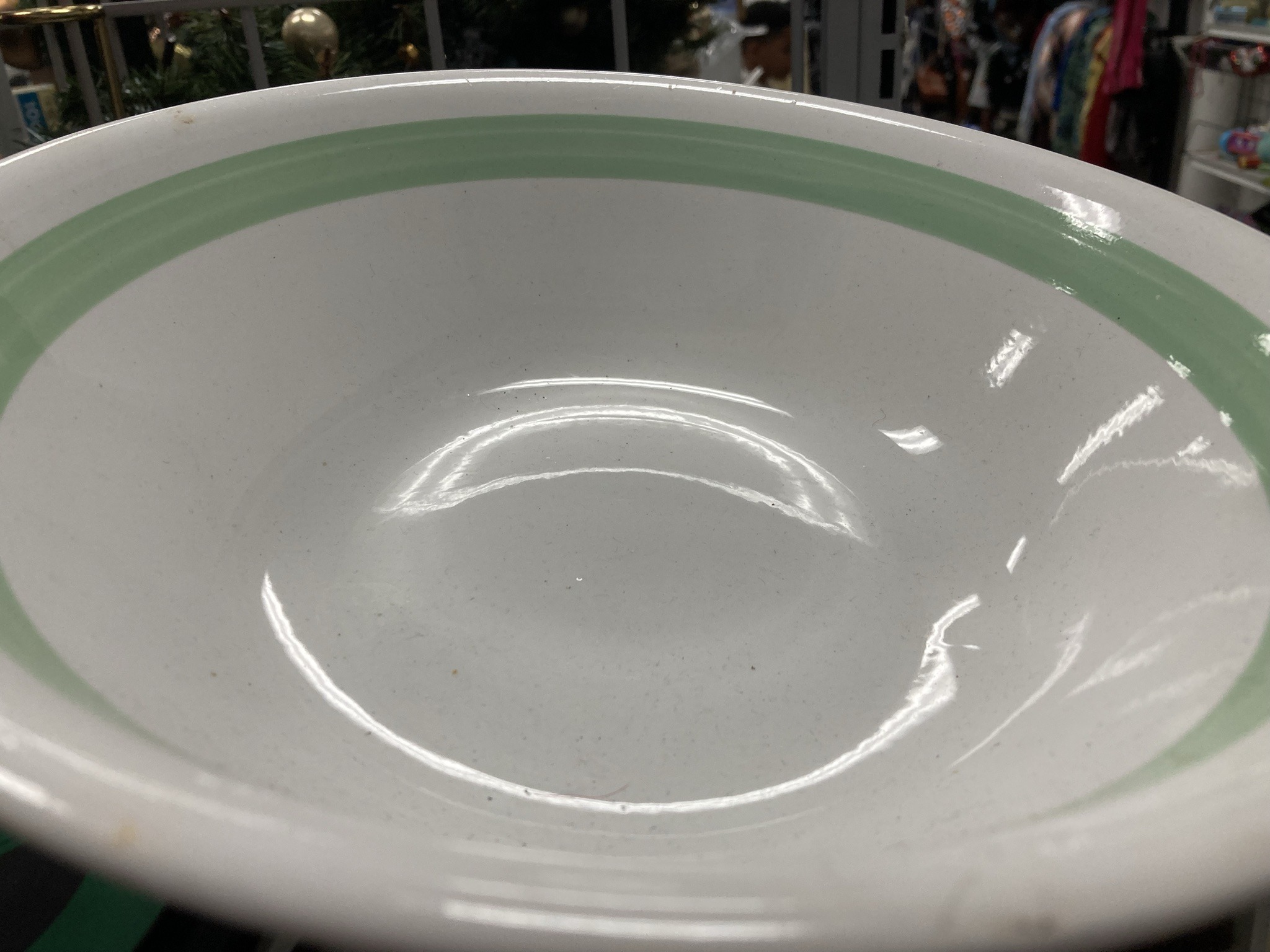
Japanese Ironstone Mixing Bowl with Mint Green Band

Kitchenware / Vintage Ceramics

AI Estimated Value

·Not an official valuation·Verify before acting

$25.00 - $45.00

As of June 10, 2026

AI Item Analysis

·AI can make mistakes·Verify before acting
This is a large, deep-welled mixing or serving bowl crafted from heavy-duty 'Finest Ironstone' ceramic, manufactured in Japan. The bowl features a classic utilitarian aesthetic characterized by a stark white glazed body accented with a single, broad mint green or sage green horizontal band around the interior rim. The ironstone material indicates a durable, vitrified ceramic construction intended for frequent kitchen use. Physically, the bowl has a wide, rounded profile with a slightly flared rim for easy handling. Upon close inspection, the glaze shows fine dark specks common in mid-century Japanese ironstone production, alongside minor surface scratches and localized brown spotting (staining) near the base of the well, which suggests age and previous use. The craftsmanship is solid but functional, typical of mass-produced exported kitchenware from the mid-20th century (approximately 1950s-1970s). The high gloss finish remains mostly intact, though reflectant light reveals typical wear patterns for ceramic of this age. There are no large chips or structural cracks visible in the primary view, though the base likely carries the 'Finest Ironstone Japan' backstamp mentioned in the user context.
AI Appraisal Report

·AI can make mistakes·Verify before acting
I have examined the digital representation of this 'Finest Ironstone' mixing bowl. Based on the wide flared rim, the characteristic sage green banding, and the 'Japan' designation, I identify this as a mid-20th-century piece (circa 1960s-1970s) produced for the export market. The ironstone construction is durable, though I observe typical manufacturing imperfections such as minor kiln specks and localized staining in the well, which indicate moderate domestic use. The high-gloss finish remains largely stable, but the presence of brown spotting at the base suggests the glaze has become slightly porous with age, allowing organic material to penetrate. While these bowls are highly sought after by collectors of 'Vintage Farmhouse' or 'Grandmillennial' aesthetics due to their substantial weight and classic design, they were mass-produced. They are common in the secondary market, competing with similar wares by Mason Cash or T.G. Green. The value is driven by the size and the popularity of the mint green colorway, though it is lowered by the visible interior staining. Because this assessment was conducted via images, I cannot verify the presence of hairline fractures or the depth of the glaze crazing, which can only be determined by a 'ping test' or physical handling. For full authentication and a more precise valuation, an in-person examination of the 'Finest Ironstone Japan' backstamp and a tactile inspection for structural integrity would be required. No scientific testing is recommended given the item's utilitarian nature and manufacture date.

Get your items appraised

Instant estimates of your treasures with AI-powered appraisals

Browse More Appraisals