AI Appraisal Estimate

AI-generated estimates · not official valuations

From the user

What was submitted

Photo and notes provided by the user — not generated by AI

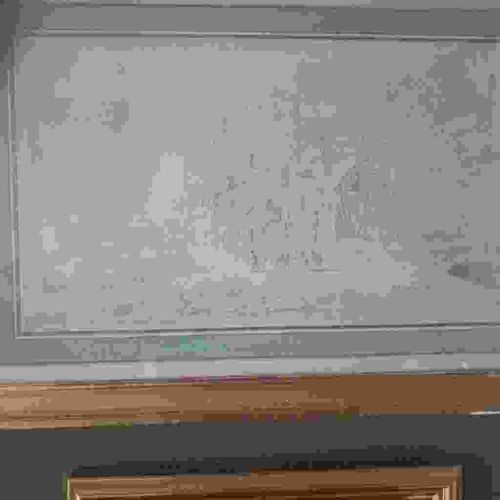
Submitted item photo
Submitted photo · June 10, 2026

User's notes

dessin de JB Oudry. 1750

AI analysis below

AI appraisal

AI analysis & estimate

AI-Generated · Verify before acting

Everything below is generated by AI for informational purposes only. AI can make mistakes — the AI may misidentify items or misattribute them (artist, maker, brand, designer, origin, era). This is not an official valuation and should not be used for insurance, sale, tax, estate, legal, or lending purposes — or any decision requiring a certified appraisal. It is not an authoritative claim about any person, brand, or rights holder — do not share or rely on it as a factual statement about a third party. Always consult qualified professionals before making financial decisions.

Note

This analysis also relies on unverified notes provided by the user, which may be incomplete or inaccurate and could affect the result.

Read the full disclaimer

AI Identification

·Not independently authenticated·Verify before acting

Jean-Baptiste Oudry (1686-1755) Landscape Drawing, Circa 1750

Fine Art - 18th Century French Drawings

AI Estimated Value

·Not an official valuation·Verify before acting

$4,000 - $7,000

As of June 10, 2026

AI Item Analysis

·AI can make mistakes·Verify before acting
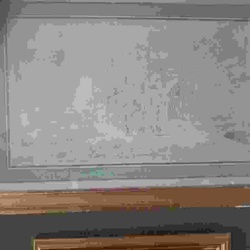
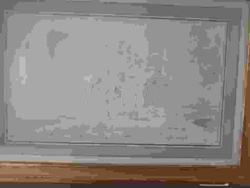
This item is an 18th-century French landscape drawing attributed to the Rococo master Jean-Baptiste Oudry, dated approximately 1750. The work appears to be executed in black and white chalk or graphite on tinted paper, a hallmark of Oudry’s plein air style and preparatory sketches. The composition depicts a naturalistic, somewhat overgrown landscape—likely the gardens of Arcueil or another French estate favored by the artist. Physical characteristics include a rectangular format with visible borders, suggesting it is mounted or inset. The drawing style is characterized by a sophisticated play of light and shadow, with delicate cross-hatching to define textures of stone and foliage. Regarding condition, the piece shows significant signs of age-related degradation. Notable is the heavy yellowing and spotting (foxing) throughout the paper substrate, potentially exacerbated by light exposure or acidity in the original mounting materials. There is visible fading of the finer details, and the paper shows some undulation. A faint signature or inscription consistent with an 18th-century hand may be present at the bottom edge, though significantly softened. Despite the wear, the draughtsmanship remains evident in the architectural forms and organic flow of the vegetation, reflecting the high-quality craftsmanship of the French Academy. This piece represents the late-stage transitions of the Rococo period toward a more naturalistic observation of environment.

AI Appraisal Report

·AI can make mistakes·Verify before acting
Based on my examination of the digital documentation, this work exhibits the distinctive technique of Jean-Baptiste Oudry, particularly his celebrated Arcueil series started around 1740-1750. The use of black and white chalk on blue-grey or tinted paper to capture tonal contrasts is characteristic of his 'plein air' studies. The sophisticated handling of light filtering through overgrown foliage suggests a high level of academic proficiency consistent with a master of the Rococo era. However, the condition is a significant factor in this valuation. The heavy foxing and acid-related discoloration (yellowing) indicate the paper has suffered from poor environmental controls or acidic mounting. This degradation impacts the visual 'read' of the delicate white highlights, which are essential to Oudry's aesthetic. Comparable Arcueil drawings in pristine condition can fetch $20,000-$40,000 at auction (Sotheby’s/Christie’s), but the current state of this sheet necessitates a more conservative estimate to account for professional conservation costs. Authentication via digital image is preliminary and not definitive. Proving this is an autograph work by Oudry rather than a studio assistant or a 19th-century 'homage' requires physical inspection of the paper’s watermark and thickness. Full authentication would require a provenance check (records of owner lineage) and comparison with the catalog raisonné. I recommend a paper conservator's assessment to see if the foxing can be stabilized. Should the work be fully authenticated and restored, its value could potentially double. The market for 18th-century French drawings remains selective, favoring well-preserved, attributed masterpieces.

Get your items appraised

Instant estimates of your treasures with AI-powered appraisals

Browse More Appraisals