AI Appraisal Estimate

AI-generated estimates · not official valuations

From the user

What was submitted

Photo and notes provided by the user — not generated by AI

Submitted item photo
Submitted photo · May 23, 2026

User's notes

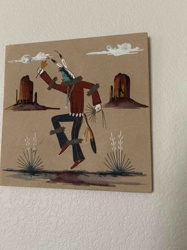
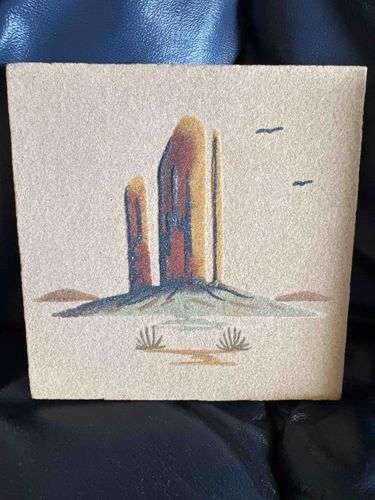
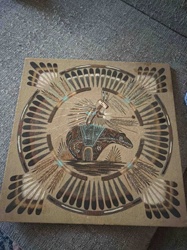
Monument Valley Navajo, sand, painting 6”x6” The Thee sisters & Mitchell Mesa Rock

AI analysis below

AI appraisal

AI analysis & estimate

AI-Generated · Verify before acting

Everything below is generated by AI for informational purposes only. AI can make mistakes — the AI may misidentify items or misattribute them (artist, maker, brand, designer, origin, era). This is not an official valuation and should not be used for insurance, sale, tax, estate, legal, or lending purposes — or any decision requiring a certified appraisal. It is not an authoritative claim about any person, brand, or rights holder — do not share or rely on it as a factual statement about a third party. Always consult qualified professionals before making financial decisions.

Note

This analysis also relies on unverified notes provided by the user, which may be incomplete or inaccurate and could affect the result.

Read the full disclaimer

AI Identification

·Not independently authenticated·Verify before acting

Navajo Sand Painting of The Three Sisters & Mitchell Mesa

Native American Folk Art

AI Estimated Value

·Not an official valuation·Verify before acting

$45 - $75

As of May 23, 2026

AI Item Analysis

·AI can make mistakes·Verify before acting
This is a 6x6-inch Navajo sand painting, often referred to as 'dry painting,' depicting the iconic 'Three Sisters' rock formations and Mitchell Mesa within Monument Valley. The piece is constructed by meticulously applying naturally colored sands, crushed minerals, and stones onto a stable surface board. The color palette features authentic earth tones including ochre, terracotta, sage green, and charcoal against a light buff-colored sandy background. The composition is minimalist but structurally sound, showcasing the soaring verticality of the buttes alongside desert elements like yucca plants and soaring birds. Notable features include the textured, granular surface which provides a characteristic matte finish unique to this indigenous art form. The craftsmanship shows a high level of control in the fine lines and shading of the stone pillars. Condition-wise, the edges of the board appear slightly friable, typical for this medium, but the overall image remains intact with no visible pigment loss or moisture damage. This style of decorative sand painting became popular for the tourist trade in the mid-to-late 20th century, adapting traditional ceremonial techniques into permanent wall art. It serves as a significant example of Diné (Navajo) artistic heritage and regional Southwestern iconography.
AI Appraisal Report

·AI can make mistakes·Verify before acting
Based on my visual examination of this 6x6-inch Navajo sand painting depicting the Three Sisters and Mitchell Mesa, I have determined it to be a mid-to-late 20th-century decorative piece intended for the commercial market. The craftsmanship displays excellent control of the traditional dry-painting technique, utilizing authentic crushed minerals and naturally colored sands. The composition is well-balanced, and the structural integrity of the granular surface suggests it was properly fixed to the board, a hallmark of permanent sand art developed for the tourist trade in the Southwest. The condition is good, with only minor friability on the board edges, which is typical for this medium and does not significantly detract from the central image. The market for small-format Navajo sand paintings is currently stable but saturated; such pieces were produced in significant quantities throughout the 1970s and 80s as souvenirs. Comparables for unsigned pieces of this size and subject matter typically realize between $40 and $80 at auction or in specialized Southwestern galleries. Factors limiting the value include the commonality of the subject and the lack of a known artist's signature or specific 'yei' ceremonial complexity. As this assessment was conducted via digital image, I cannot definitively verify the binder's organic composition or the board's exact age. A full authentication would require an in-person inspection of the reverse side for an artist's hallmark or a gallery label, which would provide necessary provenance. Scientific testing of the pigments could confirm the absence of synthetic dyes, further solidifying its status as a traditional mineral-based work.

Get your items appraised

Instant estimates of your treasures with AI-powered appraisals

Browse More Appraisals