AI Appraisal Estimate

AI-generated estimates · not official valuations

From the user

What was submitted

Photo and notes provided by the user — not generated by AI

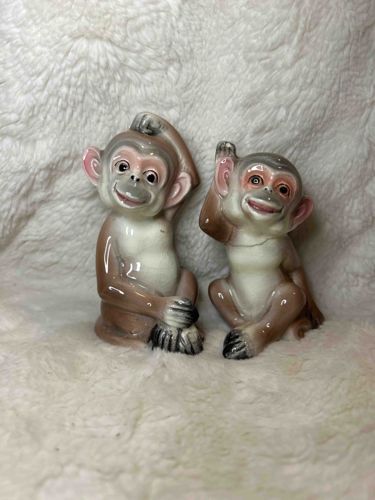
Submitted item photo
Submitted photo · June 9, 2026

User's notes

No additional notes provided.

AI analysis below

AI appraisal

AI analysis & estimate

AI-Generated · Verify before acting

Everything below is generated by AI for informational purposes only. AI can make mistakes — the AI may misidentify items or misattribute them (artist, maker, brand, designer, origin, era). This is not an official valuation and should not be used for insurance, sale, tax, estate, legal, or lending purposes — or any decision requiring a certified appraisal. It is not an authoritative claim about any person, brand, or rights holder — do not share or rely on it as a factual statement about a third party. Always consult qualified professionals before making financial decisions.

Read the full disclaimer

AI Identification

·Not independently authenticated·Verify before acting

Vintage Anthropomorphic Ceramic Monkey Salt and Pepper Shakers

Vintage Kitchenware / Collectible Figurines

AI Estimated Value

·Not an official valuation·Verify before acting

$10 - $20

As of June 9, 2026

AI Item Analysis

·AI can make mistakes·Verify before acting
This is a pair of vintage anthropomorphic ceramic monkey figurines, designed as a coordinating salt and pepper shaker set. Each monkey stands approximately 3 to 4 inches tall and is crafted from glazed ceramic with a high-gloss finish. The color palette features realistic tawny brown bodies with creamy white underbellies and faces, accented by whimsical pink highlights in the ears, cheeks, and mouths. The eyes are large and expressive with hand-painted black pupils, typical of mid-century kitsch design. One monkey is depicted with its left hand raised to its head, while the other features a slightly different seated posture, creating a playful narrative duo. Regarding condition, the shaker on the right shows a prominent horizontal hairline crack spanning the width of its neck, which significantly impacts its structural integrity and value. There is also visible crazing in the glaze, which is a common occurrence in vintage ceramics of this era. While no maker's marks are visible on the front, this style of whimsical animal figurine was popularized by Japanese ceramic manufacturers like Lefton or Napco during the 1950s and 1960s. The craftsmanship is of standard mass-market quality for the mid-20th century, characterized by molded forms and hand-applied cold paint details that often show minor wear or thinning over time.
AI Appraisal Report

·AI can make mistakes·Verify before acting
Based on my visual examination of these vintage anthropomorphic monkey salt and pepper shakers, I identify them as mid-century Japanese imports, likely produced during the 1950s or 1960s. The stylistic elements—specifically the large, expressive eyes, hand-painted details, and whimsical subject matter—strongly suggest manufacture by companies such as Napco, Lefton, or Relco, although without a clear view of the base, a definitive maker cannot be assigned. The high-gloss glaze and 'tawny brown' palette are classic hallmarks of mass-market export ceramics from this era. The value is significantly impacted by condition. While the pair retains good color vibrancy, the prominent hairline crack across the neck of one shaker is a major structural defect. In the world of ceramic collectibles, damage of this nature typically reduces value by 50-70% compared to a pristine set. The visible glaze crazing noted is age-appropriate but further limits their grade to 'Fair' or 'Good' at best, rather than 'Excellent.' Market demand for anthropomorphic kitchenware remains steady among specialized collectors of 'kitsch,' but common examples like these rely heavily on perfect condition to command higher prices (typically $25-$45 for mint sets). Given the damage, these hold value primarily as shelf-sitters or starter pieces. To provide a fully authenticated valuation, I would need to physically inspect the bases for foil stickers or stamped marks (e.g., 'Made in Japan') and check the stoppers' original condition. However, based on the visible damage alone, the appraisal is firmly set in the lower decorative range.

Get your items appraised

Instant estimates of your treasures with AI-powered appraisals

Browse More Appraisals