AI Appraisal Estimate

AI-generated estimates · not official valuations

From the user

What was submitted

Photo and notes provided by the user — not generated by AI

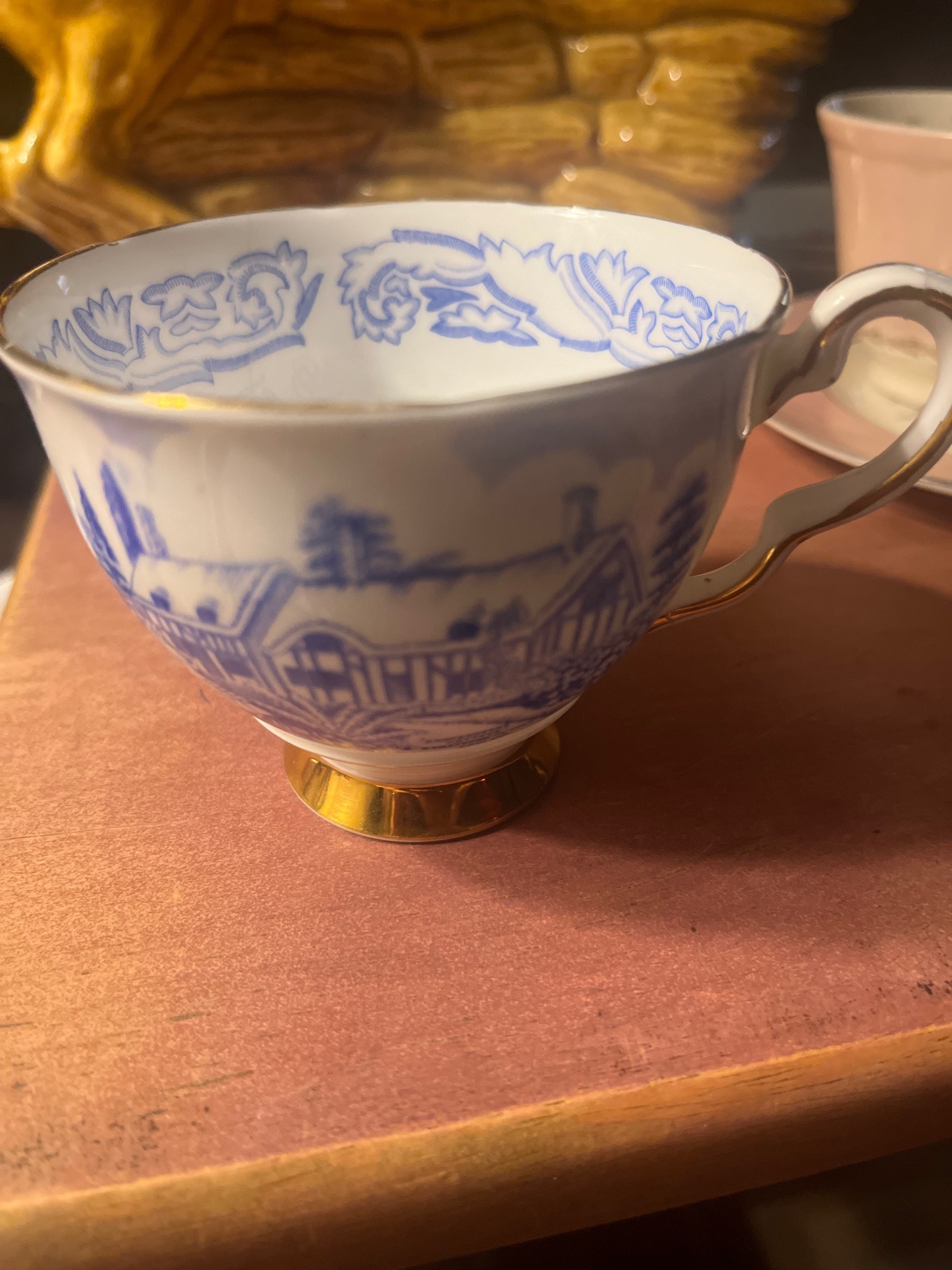
Submitted item photo
Submitted photo · June 26, 2026

User's notes

Royal Stafford bone china made in England. Est 1845

AI analysis below

AI appraisal

AI analysis & estimate

AI-Generated · Verify before acting

Everything below is generated by AI for informational purposes only. AI can make mistakes — the AI may misidentify items or misattribute them (artist, maker, brand, designer, origin, era). This is not an official valuation and should not be used for insurance, sale, tax, estate, legal, or lending purposes — or any decision requiring a certified appraisal. It is not an authoritative claim about any person, brand, or rights holder — do not share or rely on it as a factual statement about a third party. Always consult qualified professionals before making financial decisions.

Note

This analysis also relies on unverified notes provided by the user, which may be incomplete or inaccurate and could affect the result.

Read the full disclaimer

AI Identification

·Not independently authenticated·Verify before acting

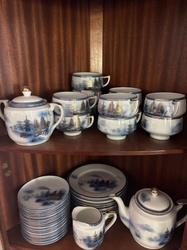
Royal Stafford Bone China Teacup in Blue and White Transferware

Fine Dining & Collectible Ceramics

AI Estimated Value

·Not an official valuation·Verify before acting

$45.00 - $65.00

As of June 26, 2026

AI Item Analysis

·AI can make mistakes·Verify before acting
This is a vintage Royal Stafford fine bone china teacup, expertly crafted in England. The cup features a classic blue transferware design on a bright white ground, depicting a charming rural village or cottage scene with half-timbered architectural details and surrounding trees. The interior rim is decorated with a coordinating scroll and floral motif border. A defining aesthetic feature is the heavy gold gilding found on the pedestal foot, the scalloped rim, and the elegantly curved handle. The handle exhibits a graceful thumb rest and 'C' scroll shape, highlighted with gold accents along its spine. Generally, the construction is delicate yet sturdy, typical of mid-20th-century English bone china. Close inspection of the rim reveals some minor wear to the gilding, consistent with age and gentle use, though no major chips or cracks are visible in the primary view. The high-gloss glaze appears well-preserved, showcasing the quality craftsmanship associated with the Royal Stafford brand, which was established in 1845. This piece likely dates from the 1950s-1970s and exemplifies the traditional British ceramic style.
AI Appraisal Report

·AI can make mistakes·Verify before acting
Based on my examination of this Royal Stafford teacup, I find it to be a genuine mid-20th-century piece of English fine bone china. The blue and white transferware scene is a classic British cottage motif, highly characteristic of the brand's production between 1950 and 1970. The heavy gilding at the pedestal foot and scalloped rim distinguishes this as a higher-tier decorative piece rather than everyday utility ware. The high-gloss glaze appears well-preserved, though the observed wear on the gilding at the rim is a standard indicator of age and frequent handling, which slightly softens the 'mint condition' premium. Market demand for English bone china remains steady among collectors of traditional tea sets and cottagecore aesthetics, though the market is currently saturated with late-period Royal Stafford, keeping rarity relatively low. Similar sets from this era, specifically those with heavy gold trim and scenic transferware, typically realize between $40 and $70 in the secondary retail market. Factors such as the 'C' scroll handle and thumb rest add to its ergonomic and aesthetic appeal. Please note that while the visual characteristics align with authentic Royal Stafford production, a definitive authentication would requires an in-person physical inspection to verify the tactile translucency of the bone china, the weight, and the presence of a specific backstamp under the foot. Scientific testing is rarely required for 20th-century pottery, but provenance documentation or original purchase receipts would solidify its history and potentially enhance the valuation.

Get your items appraised

Instant estimates of your treasures with AI-powered appraisals

Browse More Appraisals