Lower Paleolithic Acheulean Chert Hand Axe Scraper
Archaeological Artifacts / Paleolithic Lithics

Lower Paleolithic Acheulean Chert Hand Axe Scraper

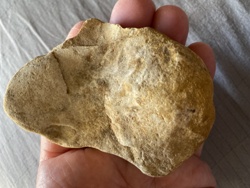
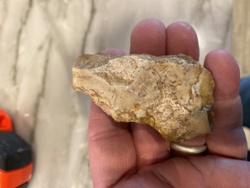
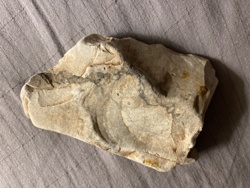
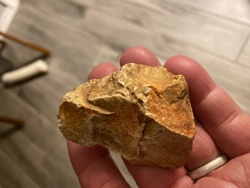
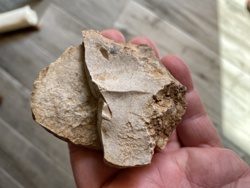
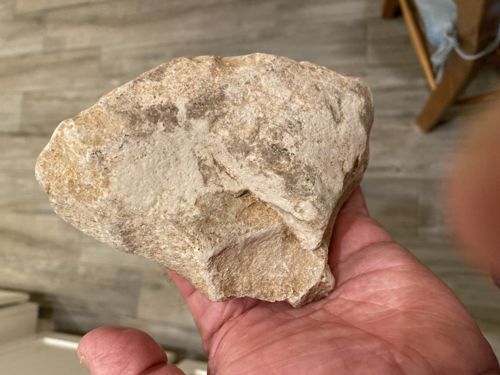
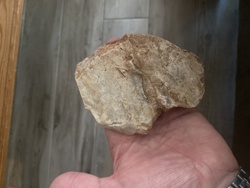
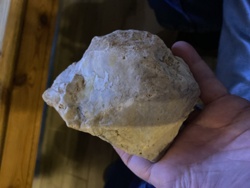
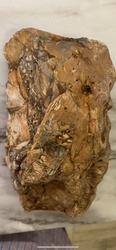
This is a significant lithic artifact identified as an Acheulean-style hand axe scraper, measuring approximately 5 inches by 4 inches. The item is constructed from a dense, light-tan to cream-colored chert, a sedimentary rock preferred by early hominids for its predictable concoidal fracturing properties. Physically, the object displays the classic 'bifacial' flaking technique characteristic of the Acheulean tradition, where flakes have been struck from both sides of the stone to create a sharpened, teardrop-shaped edge. The craftsmanship reveals deliberate shaping, with a thick, unworked 'butt' or base designed to fit comfortably in the palm of a hand, tapering to a thinner, worked working edge. Notable features include visible percussion bulb scars and several smaller retouch flakes along the periphery, suggesting use as both a heavy-duty cutting tool and a scraper for hides or wood. The surface exhibits a heavy desert varnish or patina of age-related mineral accumulation, with darker brown earth staining embedded in the crevices. There are no modern maker's marks, as it is a prehistoric tool dating to the Lower Paleolithic period. Despite its extreme age, the piece is in robust condition with expected edge-wear and minor blunting consistent with use-wear and geological movement over millennia. The provenance of Guthrie, Oklahoma, makes this a noteworthy find for North American lithic studies, potentially representing a very early human migration evidence or a later tool mirroring ancient traditions.
Estimated Value

$150 - $300

Basic Information

Category

Archaeological Artifacts / Paleolithic Lithics

Appraised On

February 19, 2026

Estimated Value

$150 - $300

Additional Details Provided By Owner

User Provided Information

Lower Paleolithic Acheulean chert hand axe scraper found in Guthrie OK measuring 5" x 4"

Item Description

This is a significant lithic artifact identified as an Acheulean-style hand axe scraper, measuring approximately 5 inches by 4 inches. The item is constructed from a dense, light-tan to cream-colored chert, a sedimentary rock preferred by early hominids for its predictable concoidal fracturing properties. Physically, the object displays the classic 'bifacial' flaking technique characteristic of the Acheulean tradition, where flakes have been struck from both sides of the stone to create a sharpened, teardrop-shaped edge. The craftsmanship reveals deliberate shaping, with a thick, unworked 'butt' or base designed to fit comfortably in the palm of a hand, tapering to a thinner, worked working edge. Notable features include visible percussion bulb scars and several smaller retouch flakes along the periphery, suggesting use as both a heavy-duty cutting tool and a scraper for hides or wood. The surface exhibits a heavy desert varnish or patina of age-related mineral accumulation, with darker brown earth staining embedded in the crevices. There are no modern maker's marks, as it is a prehistoric tool dating to the Lower Paleolithic period. Despite its extreme age, the piece is in robust condition with expected edge-wear and minor blunting consistent with use-wear and geological movement over millennia. The provenance of Guthrie, Oklahoma, makes this a noteworthy find for North American lithic studies, potentially representing a very early human migration evidence or a later tool mirroring ancient traditions.
Get Your Items Appraised

Instant estimates of your treasures with AI-powered instant appraisals

Browse More Appraisals