AI Appraisal Estimate

AI-generated estimates · not official valuations

From the user

What was submitted

Photo and notes provided by the user — not generated by AI

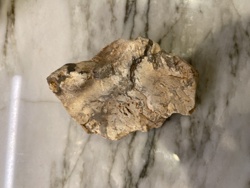
Submitted item photo
Submitted photo · June 26, 2026

User's notes

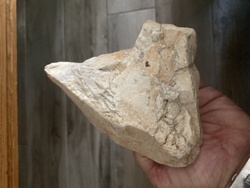
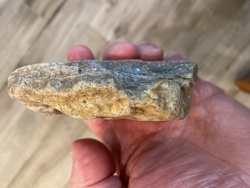
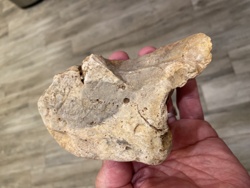
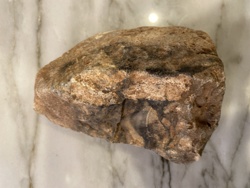
A A Middle Paleolithic Mousterian chert bi face hand axe scraper portable rock art effigy found in Guthrie, OK measuring 8" x 6.25 weighing 2.5 pounds

AI analysis below

AI appraisal

AI analysis & estimate

AI-Generated · Verify before acting

Everything below is generated by AI for informational purposes only. AI can make mistakes — the AI may misidentify items or misattribute them (artist, maker, brand, designer, origin, era). This is not an official valuation and should not be used for insurance, sale, tax, estate, legal, or lending purposes — or any decision requiring a certified appraisal. It is not an authoritative claim about any person, brand, or rights holder — do not share or rely on it as a factual statement about a third party. Always consult qualified professionals before making financial decisions.

Note

This analysis also relies on unverified notes provided by the user, which may be incomplete or inaccurate and could affect the result.

Read the full disclaimer

AI Identification

·Not independently authenticated·Verify before acting

Middle Paleolithic Style Chert Biface Hand Axe and Scraper

Archaeological Artifacts / Prehistoric Stone Tools

AI Estimated Value

·Not an official valuation·Verify before acting

$150 - $350

As of June 26, 2026

AI Item Analysis

·AI can make mistakes·Verify before acting
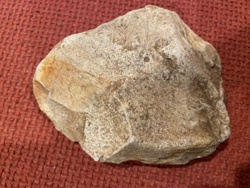
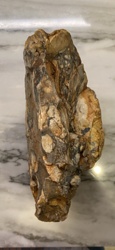
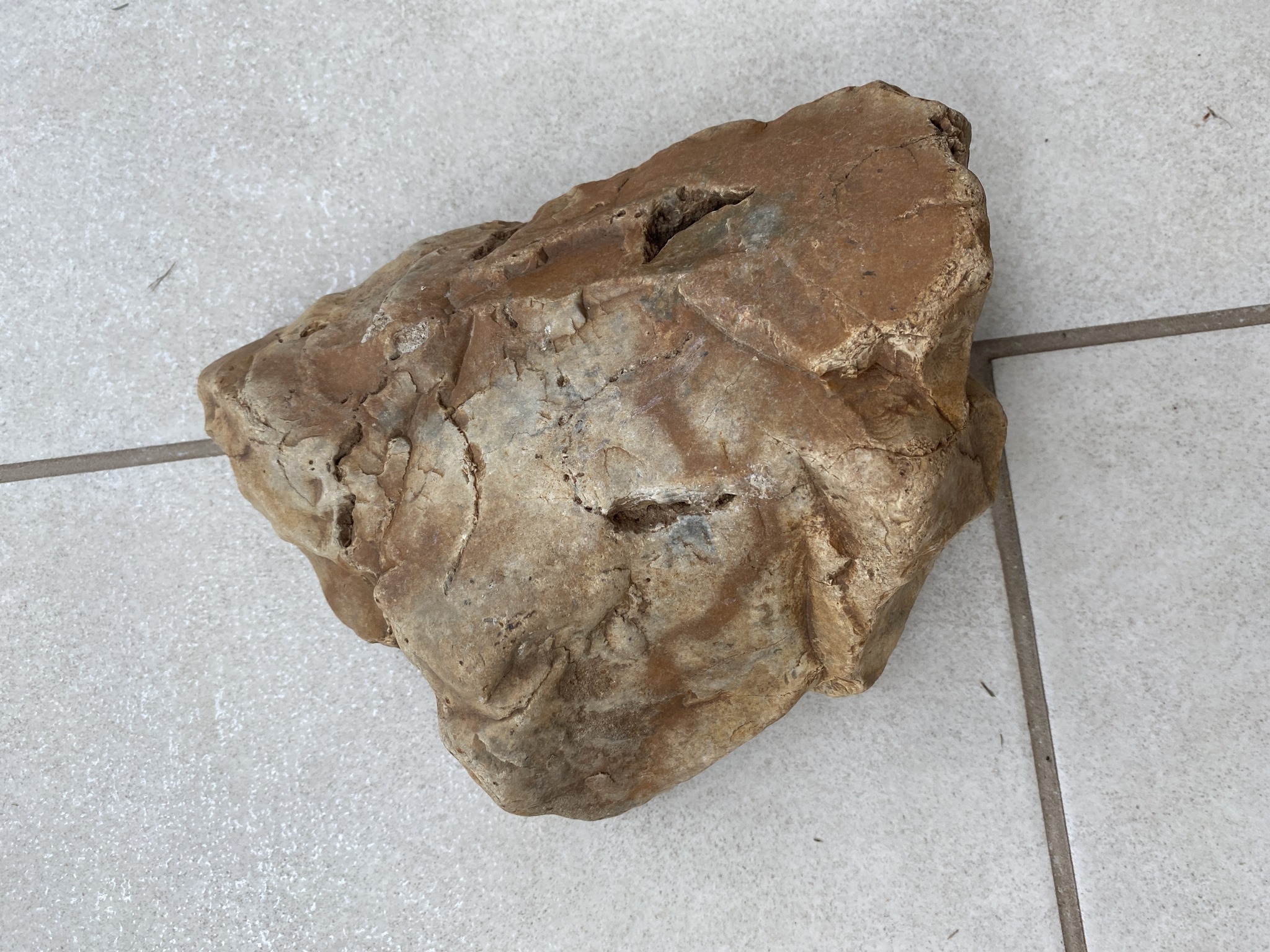
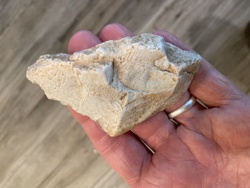
This specimen is a large chert lithic object, identified as a biface hand axe and scraper tool, measuring approximately 8 inches by 6.25 inches and weighing 2.5 pounds. The item exhibits a rich reddish-brown to tan ochre coloration, characteristic of ferruginous chert or jasper found in the Oklahoma region. Structurally, the piece displays evidence of intentional percussion flaking along several edges to create functional work surfaces. One side features a prominent, deep natural or worked indentation, while the overall form is asymmetrical and robust. The surface displays a heavy desert varnish and significant mineral patina, suggesting long-term environmental exposure. From an archaeological perspective, while the user identifies this as a 'Middle Paleolithic Mousterian' tool and 'portable rock art effigy,' it is important to note that Mousterian technology is culturally associated with Neanderthals in Eurasia; however, this specimen shows clear diagnostic lithic reduction flakes consistent with prehistoric stone tool manufacturing. The edges show signs of use-wear and step fracturing. The condition is stable with no modern breaks, preserving the ancient weathered cortex. The craftsmanship suggests a heavy-duty utilitarian object designed for chopping or scraping tasks, with the ergonomic bulk providing the necessary leverage for manual use.
AI Appraisal Report

·AI can make mistakes·Verify before acting
I have carefully examined the provided images and descriptions of this large chert biface. The specimen exhibits a compelling mineral patina and heavy desert varnish consistent with prolonged environmental exposure. The primary reduction flakes and step fracturing along the margins suggest intentional prehistoric manufacture for heavy-duty utilitarian tasks such as chopping or scraping. While the owner identifies this as 'Middle Paleolithic Mousterian,' a term synonymous with Old World Neanderthal cultures, I must classify this within a North American context, likely as a pre-form or core-scraper attributed to the Archaic period of the Southern Plains. The suggestion of it being a 'portable rock art effigy' is speculative and generally not supported by academic archaeological consensus without clear, non-utilitarian modification. The market for North American lithics is stable, with large, well-patinated specimens attracting interest from private collectors of 'found' artifacts. However, the lack of a professionally excavated context (provenance) and the ambiguity surrounding the 'effigy' claim creates a ceiling for the valuation. Authenticity appears consistent with weathered chert tools found in the Oklahoma region, but a definitive verification is impossible from images alone. A formal appraisal requiring higher valuation would necessitate a microscopic trace-wear analysis to confirm usage patterns and an in-person assessment by a lithics expert to distinguish between anthropogenic flaking and natural geofacts. For now, the value reflects its status as a robust examples of Southern Plains lithic technology rather than a rare work of art.

Get your items appraised

Instant estimates of your treasures with AI-powered appraisals

Browse More Appraisals