AI identification & appraisal estimate

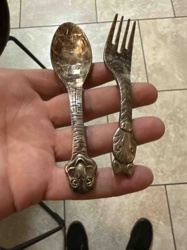
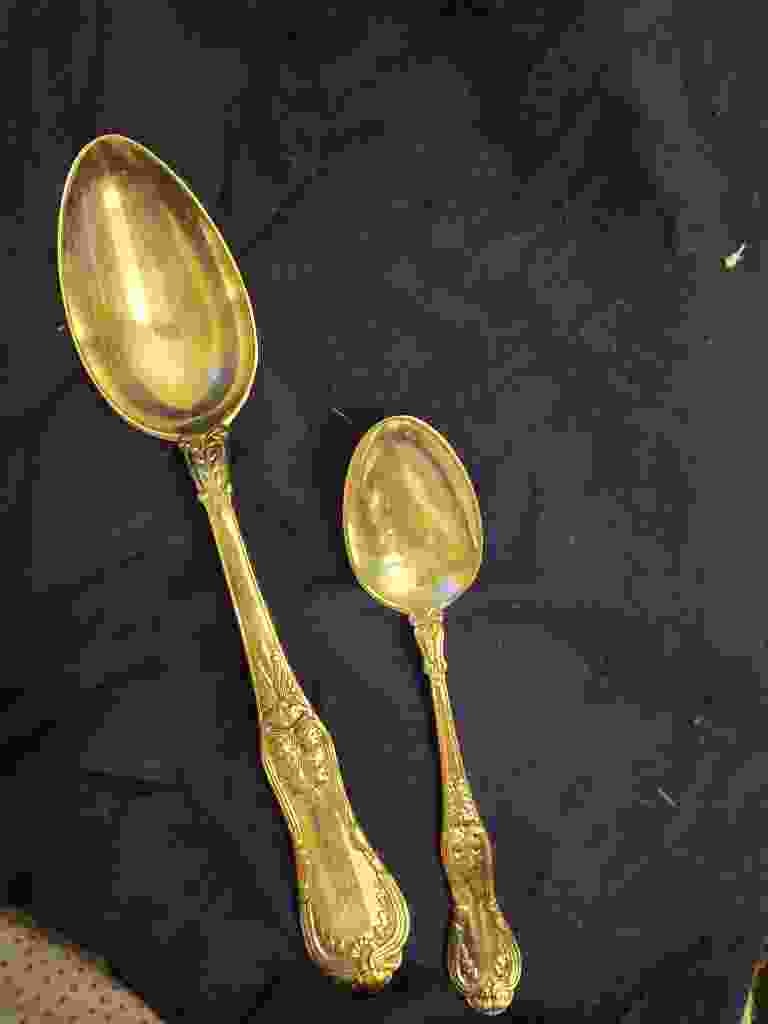
Tiffany & Co. 'Regent' Pattern Silverplate Spoons (1884)

Submitted photo of Tiffany & Co. 'Regent' Pattern Silverplate Spoons (1884)
Photo submitted by the user — not generated by AI

User's notes

Tiffany Regent Silverplate 1884

These notes were written by the person who submitted this item. Appraiser.AI has not verified them, and the AI's identification and estimate may rely on them.

AI Estimated Value

Not an official valuation

$45 - $75

AI estimate as of April 22, 2026 · verify with a professional before acting

AI-Generated · Verify before acting

Everything on this page is generated by AI for informational purposes only. AI can make mistakes — the AI may misidentify items or misattribute them (artist, maker, brand, designer, origin, era). This is not an official valuation and should not be used for insurance, sale, tax, estate, legal, or lending purposes — or any decision requiring a certified appraisal. It is not an authoritative claim about any person, brand, or rights holder — do not share or rely on it as a factual statement about a third party. Always consult qualified professionals before making financial decisions.

This analysis also relies on unverified notes provided by the user, which may be incomplete or inaccurate and could affect the result.

Read the full disclaimer

AI Item Analysis

This set consists of two silverplate spoons in the 'Regent' pattern, originally designed by Thomas J. Curran for Tiffany & Co. and patented in 1884. The items consist of a large serving spoon and a smaller teaspoon or coffee spoon. Constructed from silver-plated base metal, these pieces exhibit a warm, golden-hued tarnish or heavy patina over the original silver finish, likely due to oxidation from age and storage. The 'Regent' pattern is characterized by its late Victorian aesthetic, featuring an ornate, shaped handle with complex scrollwork, floral motifs, and shell-like accents at the terminal and shoulders. The bowls are oval and deep, with the larger spoon showing a well-defined drop where the bowl meets the stem. Physical condition appears used but intact; there is significant surface discoloration and what appears to be 'plate loss' or 'bleeding' where the base metal may be showing through the silver layer. Surface scratches and minor abrasions consistent with domestic use are visible throughout. Despite the wear, the high-quality sculptural relief of the casting remains sharp, demonstrating the superior late 19th-century craftsmanship associated with Tiffany & Co.'s flatware production during the Gilded Age.

AI Appraisal Report

I have examined the images of the 'Regent' pattern silverplate spoons, originally patented in 1884 by Thomas J. Curran for Tiffany & Co. The sculptural relief remains sharp, consistent with the high-quality die-work of the Gilded Age. However, the condition presents significant challenges; the heavy patina is accompanied by visible 'bleeding' of the base metal, indicating substantial wear to the silver electroplating. This plate loss cannot be reversed by simple polishing and typically necessitates replating to restore aesthetic value, which often exceeds the market value of the items. The 'Regent' pattern is a desirable Victorian design, but as silverplate rather than sterling silver, these pieces do not command the high premiums associated with Tiffany's solid silver lines. Current market conditions show a decline in demand for silverplate flatware, which is difficult to maintain and not dishwasher safe. Comparable sets of two Regent silverplate spoons in better condition recently realized prices in the $60-$100 range; given the surface abrasions and plating degradation of this set, I have valued them accordingly. While the design and casting appear authentic to Tiffany’s late 19th-century production, image-based appraisal has limitations. A definitive valuation would require an in-person inspection to verify the 'Tiffany & Co.' hallmarks on the reverse of the stems. To confirm authenticity, I would need to check for the absence of 'EP' (electroplate) vs '925' marks and examine the weight and resonance of the metal. If these were determined to be sterling silver rather than silverplate, the valuation would increase significantly to approximately $250-$400.

Keep exploring

More antique flatware / silverplate appraisals

Get your items appraised

Instant AI-powered appraisal estimates from a photo

Browse More Appraisals