Hand-Blown Glass Vessel with Rough Pontil Mark
Antique Glassware

Hand-Blown Glass Vessel with Rough Pontil Mark

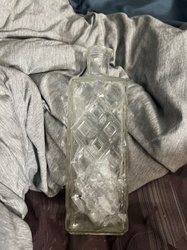
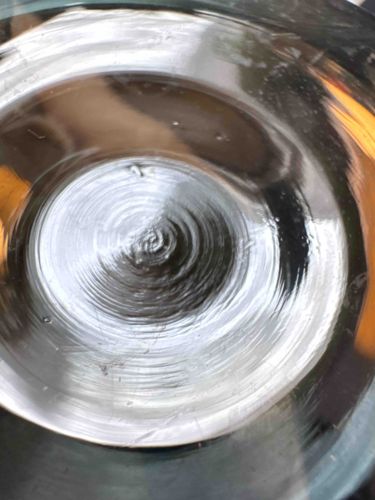
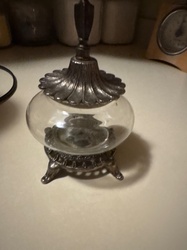
This item is a clear, hand-blown glass vessel, viewed from the underside to highlight its construction details. The most notable feature is the prominent 'rough pontil mark' at the center of the base, appearing as a jagged, circular scar where the glassmaker's pontil rod was snapped off after the blowing process. The glass exhibits internal 'seed' bubbles and slight striations characteristic of hand-crafted glass. While the glass is largely colorless, it shows some subtle chromatic aberrations and reflections. In terms of condition, the bottom surface shows significant signs of age and use, including fine surface scratches (scuffing) and moderate shelf wear consistent with an antique or vintage item. These scratches are concentrated around the resting surface. There are no large chips or cracks visible, but the rough pontil suggests an era of manufacture likely preceding the widespread use of polished pontils or molded glass techniques, typical of mid-19th to early 20th-century craftsmanship. The thickness appears variable, indicating a non-industrial origin and a focus on traditional glass-forming techniques.
Estimated Value

$150-$300

Basic Information

Category

Antique Glassware

Appraised On

January 29, 2026

Estimated Value

$150-$300

Item Description

This item is a clear, hand-blown glass vessel, viewed from the underside to highlight its construction details. The most notable feature is the prominent 'rough pontil mark' at the center of the base, appearing as a jagged, circular scar where the glassmaker's pontil rod was snapped off after the blowing process. The glass exhibits internal 'seed' bubbles and slight striations characteristic of hand-crafted glass. While the glass is largely colorless, it shows some subtle chromatic aberrations and reflections. In terms of condition, the bottom surface shows significant signs of age and use, including fine surface scratches (scuffing) and moderate shelf wear consistent with an antique or vintage item. These scratches are concentrated around the resting surface. There are no large chips or cracks visible, but the rough pontil suggests an era of manufacture likely preceding the widespread use of polished pontils or molded glass techniques, typical of mid-19th to early 20th-century craftsmanship. The thickness appears variable, indicating a non-industrial origin and a focus on traditional glass-forming techniques.
Get Your Items Appraised

Instant estimates of your treasures with AI-powered instant appraisals

Browse More Appraisals