Indian Marble Elephant Figurine with Meenakari Art
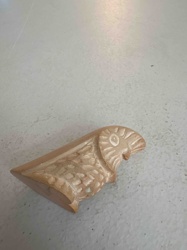
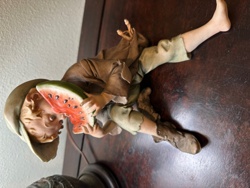
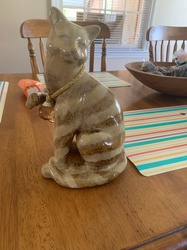
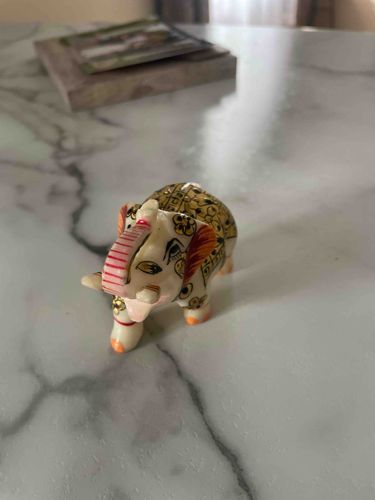
This is a small, decorative elephant figurine hand-carved from white marble, commonly associated with the traditional craftsmanship of Rajasthan, India. The piece features an upright trunk, a symbol of good luck and prosperity. The surface is adorned with intricate Meenakari-style hand painting and gold-leaf accents, showcasing floral motifs and geometric patterns in shades of yellow, red, and black. Its physical construction is solid, likely measuring between 2 to 4 inches in height. The elephant displays classic Indian folk-art aesthetics, including large painted eyes and a decorative 'howdah' or blanket draped over its back. In terms of condition, the figurine appears well-preserved with vibrant colors, though there is a natural aged patina to the stone and minor evidence of paint wear on the feet and trunk tips consistent with handling. There are no visible maker's marks or signatures, which is common for such artisanal handicraft. The craftsmanship reflects a traditional production style likely dating from the late 20th century to the present. The use of gold-colored lining against the creamy marble indicates a mid-range decorative quality often sold as souvenir art or home decor.

AI-Generated Appraisal Disclaimer
Estimated Value
$45–$85
Basic Information
Category
Decorative Arts / Collectible Figurines
Appraised On
March 21, 2026
Estimated Value
$45–$85
Item Description
This is a small, decorative elephant figurine hand-carved from white marble, commonly associated with the traditional craftsmanship of Rajasthan, India. The piece features an upright trunk, a symbol of good luck and prosperity. The surface is adorned with intricate Meenakari-style hand painting and gold-leaf accents, showcasing floral motifs and geometric patterns in shades of yellow, red, and black. Its physical construction is solid, likely measuring between 2 to 4 inches in height. The elephant displays classic Indian folk-art aesthetics, including large painted eyes and a decorative 'howdah' or blanket draped over its back. In terms of condition, the figurine appears well-preserved with vibrant colors, though there is a natural aged patina to the stone and minor evidence of paint wear on the feet and trunk tips consistent with handling. There are no visible maker's marks or signatures, which is common for such artisanal handicraft. The craftsmanship reflects a traditional production style likely dating from the late 20th century to the present. The use of gold-colored lining against the creamy marble indicates a mid-range decorative quality often sold as souvenir art or home decor.
Get Your Items Appraised
Instant estimates of your treasures with AI-powered instant appraisals