AI Appraisal Estimate

AI-generated estimates · not official valuations

From the user

What was submitted

Photo and notes provided by the user — not generated by AI

Submitted item photo
Submitted photo · June 15, 2026

User's notes

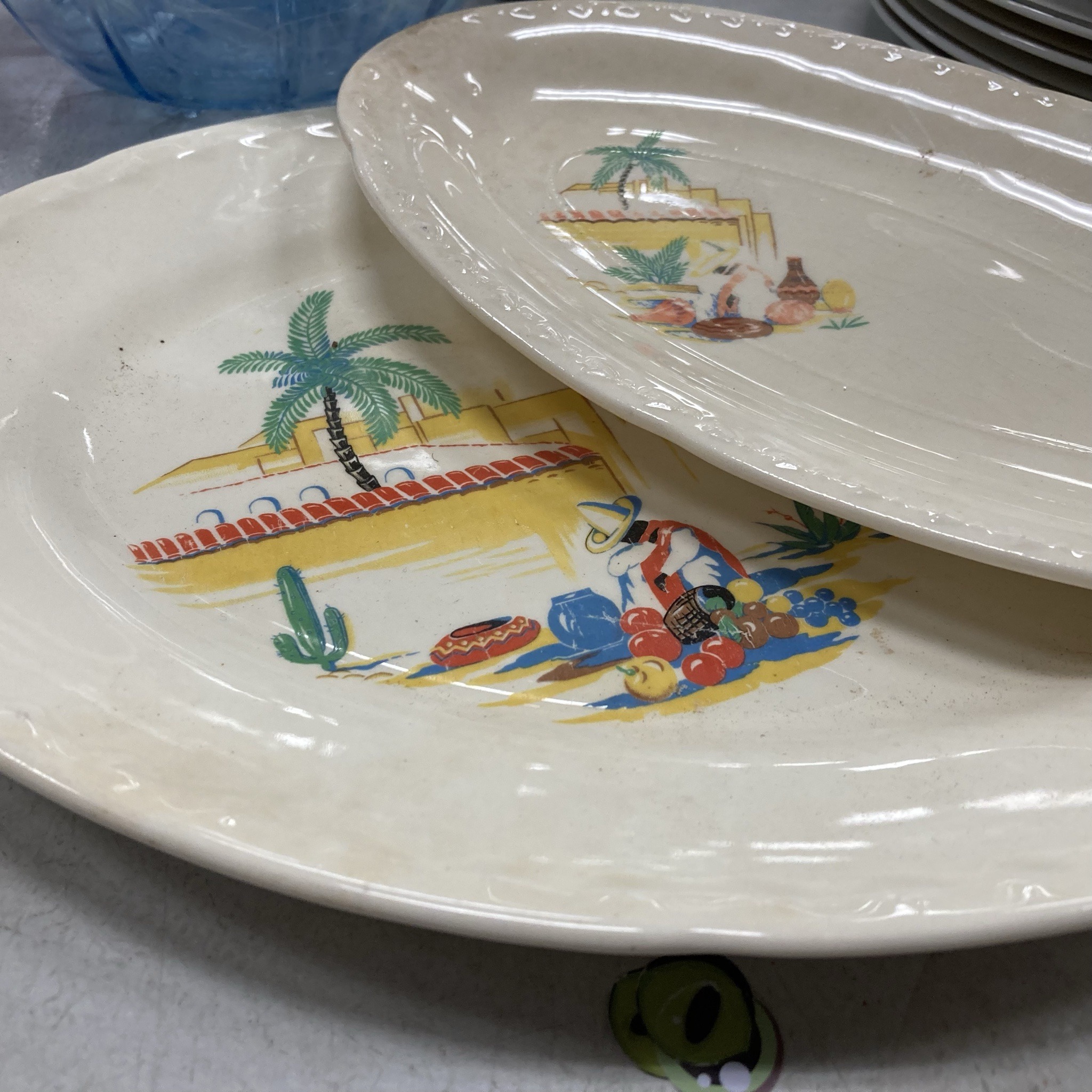
Crooksville oval dishes

AI analysis below

AI appraisal

AI analysis & estimate

AI-Generated · Verify before acting

Everything below is generated by AI for informational purposes only. AI can make mistakes — the AI may misidentify items or misattribute them (artist, maker, brand, designer, origin, era). This is not an official valuation and should not be used for insurance, sale, tax, estate, legal, or lending purposes — or any decision requiring a certified appraisal. It is not an authoritative claim about any person, brand, or rights holder — do not share or rely on it as a factual statement about a third party. Always consult qualified professionals before making financial decisions.

Note

This analysis also relies on unverified notes provided by the user, which may be incomplete or inaccurate and could affect the result.

Read the full disclaimer

AI Identification

·Not independently authenticated·Verify before acting

Crooksville China 'Siesta' Pattern Oval Platters

Vintage American Art Pottery / Kitchenware

AI Estimated Value

·Not an official valuation·Verify before acting

$45.00-$65.00 for the pair

As of June 15, 2026

AI Item Analysis

·AI can make mistakes·Verify before acting
A pair of vintage oval-shaped ceramic platters or serving dishes produced by the Crooksville China Company. These items feature the popular mid-century 'Siesta' pattern (also known colloquially as 'Mexican motifs' or 'Pantry Bak-in-Ware'). The design is characterized by a cream-colored semi-porcelain body with a multi-colored transfer-printed scene. The artwork depicts a Southwest or Mexican-inspired landscape including a single palm tree, a red-tiled roof building, a saguaro cactus, and an individual in a large sombrero and traditional garb resting among pottery and fruit. The dishes feature an embossed floral and scroll design around the rim, known as the 'Wildflower' line of shapes. Physically, the glaze shows visible signs of age including surface crazing, light staining or 'pepper' spots, and minor shelf wear on the footed bases. One platter is significantly larger than the other, serving as a main course platter while the smaller functions as a side dish or appetizer tray. Based on the pattern and construction, these pieces date to the late 1930s or early 1940s. The colors remain relatively vibrant with greens, yellows, blues, and reds, though there is slight fading typical of domestic kitchenware of this era. Though no mark is visible in the photo, these typically carry the 'Crooksville Pantry Bak-in-Ware' stamp on the reverse.
AI Appraisal Report

·AI can make mistakes·Verify before acting
I have examined the images of these two Crooksville China Company oval platters in the iconic 'Siesta' pattern. Based on the transfer-ware design and the 'Wildflower' embossed rim, I can confirm these are authentic examples of American mid-century 'Pantry Bak-in-Ware' produced in Ohio circa 1935-1945. The imagery remains a classic staple of the 'Mexican Decal' craze that swept American kitchens during the Good Neighbor policy era. Physically, the items show common 'utilitarian wear' including significant crazing and 'pepper' spots, which occur when moisture and organic matter penetrate the porous semi-porcelain body through the glaze. While these flaws are expected in vintage kitchenware, they do detract from the value compared to 'mint' museum-quality specimens. The market for Crooksville 'Siesta' remains stable due to its nostalgic appeal and vibrant colors, though it has softened from its peak in the early 2000s. Similar pairs frequently sell in the $40 to $70 range depending on the severity of the staining. My valuation assumes no hidden chips or structural cracks. Without a physical inspection, I cannot confirm the depth of the crazing or the presence of professional restorations. A full authentication would require a tactile examination to check for 'ring' resonance (indicating structural integrity) and a UV light test to identify any overpainted repairs or disguised cracks. Provenance regarding their history within a specific collection would further solidify their market standing.

Get your items appraised

Instant estimates of your treasures with AI-powered appraisals

Browse More Appraisals