AI Appraisal Estimate

AI-generated estimates · not official valuations

From the user

What was submitted

Photo and notes provided by the user — not generated by AI

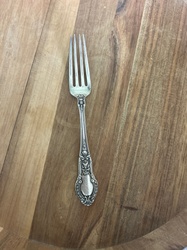
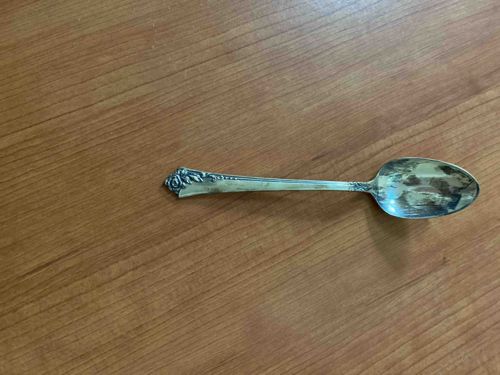
Submitted item photo
Submitted photo · May 27, 2026

User's notes

No additional notes provided.

AI analysis below

AI appraisal

AI analysis & estimate

AI-Generated · Verify before acting

Everything below is generated by AI for informational purposes only. AI can make mistakes — the AI may misidentify items or misattribute them (artist, maker, brand, designer, origin, era). This is not an official valuation and should not be used for insurance, sale, tax, estate, legal, or lending purposes — or any decision requiring a certified appraisal. It is not an authoritative claim about any person, brand, or rights holder — do not share or rely on it as a factual statement about a third party. Always consult qualified professionals before making financial decisions.

Read the full disclaimer

AI Identification

·Not independently authenticated·Verify before acting

Silver-Plated Teaspoon with Ornate Handle

Flatware

AI Estimated Value

·Not an official valuation·Verify before acting

$5 - $15

As of May 27, 2026

AI Item Analysis

·AI can make mistakes·Verify before acting
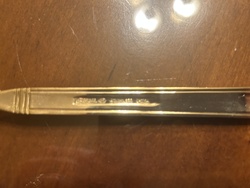
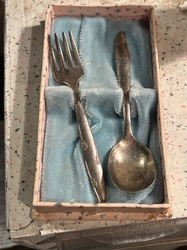
This item is a silver-plated teaspoon, estimated to date from the late 19th to mid-20th century, consistent with the Victorian or Edwardian eras, or potentially an early 20th-century revival style. The spoon features a classic oval bowl, which appears to be of standard size for a teaspoon. The material is silver-colored and exhibits a reflective metallic sheen, indicative of silver plating over a base metal, rather than solid sterling silver given the visible tarnishing patterns and lack of clear hallmarks in the provided images. The most distinguishing feature is the ornate handle, which widens at the terminal and is decorated with a detailed repoussé or stamped floral pattern, prominently displaying what appears to be a rose or similar blossom with accompanying foliage. This decorative element suggests a focus on aesthetic appeal, common in flatware designed for formal dining. Visible condition issues include significant tarnishing, particularly within the bowl and around the decorative elements of the handle, manifesting as dark, irregular patches. This tarnish indicates the presence of silver that has reacted with sulfur compounds in the air, a natural process for silver and silver-plated items. There are also visible scratches and scuffs on the surface of the spoon, particularly within the bowl, consistent with normal use and age. No specific maker's marks, signatures, or stamps are discernible from the provided images, which would be crucial for precise identification of the manufacturer and pattern. The craftsmanship, while featuring decorative elements, appears to be consistent with mass-produced flatware of its era, offering a balance of utility and aesthetic embellishment. The overall impression is that of a well-used but structurally intact piece of antique or vintage flatware.
AI Appraisal Report

·AI can make mistakes·Verify before acting
Based on my visual examination of the provided image, this silver-plated teaspoon with an ornate handle appears to be a good example of late 19th to mid-20th century mass-produced flatware. Its most striking feature is the detailed repoussé or stamped floral pattern, likely a rose, on the handle, typical of Victorian or Edwardian aesthetic preferences. Its condition shows significant tarnishing, particularly in the bowl and handle details, along with visible scratches and scuffs consistent with age and regular use. This tarnish confirms its silver-plated nature rather than solid silver. Authenticity, as a design from its era, is suggested by its style, but without clear maker's marks, specific pattern identification is impossible. The lack of discernable hallmarks prevents definitive attribution to a particular manufacturer or period beyond a general time frame. In terms of market conditions, single pieces of silver-plated flatware, even with ornate designs, generally have limited demand unless part of a rare or highly collectible set, or if they possess a unique historical provenance. The market for individual silver-plated teaspoons is modest, largely driven by collectors seeking to complete sets or individuals desiring vintage decorative accessories. Rarity is not a significant factor here; such ornate designs were quite common for their time. The primary factors impacting value are its silver-plated material, its used condition with notable tarnishing, and the absence of identifying marks. If this were sterling silver, the value would be considerably higher. Furthermore, without physical inspection, I cannot ascertain the extent of plate loss or potential damage not visible in the image. An in-person examination would be crucial to assess the true condition of the plating, identify any subtle marks, and determine the exact manufacturing technique of the handle (repoussé vs. stamped) for a more precise valuation. Provenance documentation could also enhance its value if it tied the spoon to a significant history.

Get your items appraised

Instant estimates of your treasures with AI-powered appraisals

Browse More Appraisals