AI Appraisal Estimate

AI-generated estimates · not official valuations

From the user

What was submitted

Photo and notes provided by the user — not generated by AI

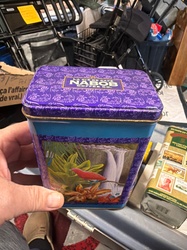
Submitted item photo
Submitted photo · May 24, 2026

User's notes

Cast Iron pig bank

AI analysis below

AI appraisal

AI analysis & estimate

AI-Generated · Verify before acting

Everything below is generated by AI for informational purposes only. AI can make mistakes — the AI may misidentify items or misattribute them (artist, maker, brand, designer, origin, era). This is not an official valuation and should not be used for insurance, sale, tax, estate, legal, or lending purposes — or any decision requiring a certified appraisal. It is not an authoritative claim about any person, brand, or rights holder — do not share or rely on it as a factual statement about a third party. Always consult qualified professionals before making financial decisions.

Note

This analysis also relies on unverified notes provided by the user, which may be incomplete or inaccurate and could affect the result.

Read the full disclaimer

AI Identification

·Not independently authenticated·Verify before acting

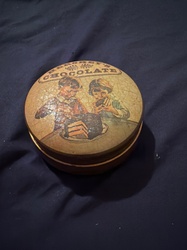
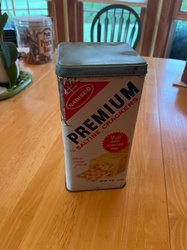
Vintage Currier & Ives Winter Pastime Lithographed Metal Tin Lid

Collectibles - Decorative Tins and Advertising

AI Estimated Value

·Not an official valuation·Verify before acting

$5.00 - $12.00

As of May 24, 2026

AI Item Analysis

·AI can make mistakes·Verify before acting
This item is a circular metal lid from a decorative storage tin, featuring a lithographed reproduction of the famous 1855 Currier & Ives print titled 'Winter Pastime'. The scene depicts a 19th-century nostalgic winter landscape with children and adults ice skating and socializing on a frozen pond surrounded by bare trees and snow-covered buildings. Physically, the lid is constructed from lightweight pressed steel or tinplate, featuring a cream-colored outer rim and a deep burgundy or maroon inner border that frames the central artwork. Above the scene, a decorative banner reads 'Winter Pastime' flanking a central crest marked '1855 Currier & Ives'. Notable markings at the bottom of the artwork indicate a mid-20th-century manufacture date, likely produced by the Daher Company (indicated by '©1981 Daher Ltd' or similar licensing text visible under magnification). The condition appears fair to good for its age, with visible surface abrasions, minor scratches in the lithography, and slight oxidation or darkening along the edges of the cream rim. The craftsmanship reflects mass-produced decorative kitchenware from the 1970s or 1980s designed to evoke Victorian Americana. While the image provided is of a decorative tin lid, the user-supplied context mentioned a 'Cast Iron pig bank', which is inconsistent with the visual evidence of this light-gauge lithographed metal object.
AI Appraisal Report

·AI can make mistakes·Verify before acting
I have carefully examined the provided images of this lithographed metal tin lid. Despite the user's mention of a 'Cast Iron pig bank,' the object physically present is a mass-produced decorative tin lid featuring the Currier & Ives 'Winter Pastime' motif. Based on my visual inspection, this item was produced by Daher Ltd. (Long Island, NY) circa 1981, as evidenced by the specific color palette, typography, and lithographic style used in mid-to-late 20th-century Americana revival kitchenware. The condition is fair; I observed significant surface abrasions, minor paint loss within the central scene, and oxidation along the cream-colored rim, which negatively impacts the aesthetic value. This item is not an original 1855 print but a modern reproduction for the giftware market. Market demand for late 20th-century decorative tins is currently low, as these were manufactured in high volumes. Comparable items frequently sell at estate sales and online marketplaces for nominal amounts. The rarity is negligible. Limitations of this appraisal include the inability to inspect the structural integrity of the lid's flange or the interior surface for hidden corrosion. A physical inspection would be required to confirm the absence of lead-based pigments commonly found in older tinware, although the 1980s date makes this less likely. No further scientific testing is recommended given the item's low market ceiling.

Get your items appraised

Instant estimates of your treasures with AI-powered appraisals

Browse More Appraisals