White Chalcedony Nodule with Botryoidal Surface
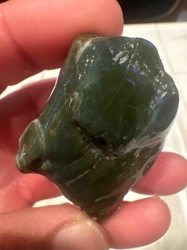
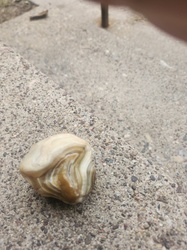
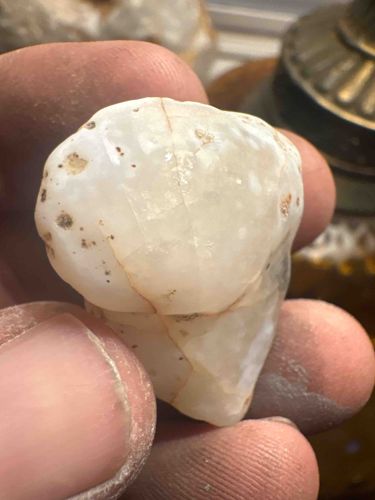
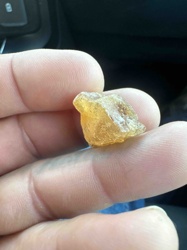
This specimen is an organic, naturally formed white chalcedony or common opal nodule, measuring approximately 1 to 1.5 inches in diameter. The item displays a translucent to opaque white-to-light-grey coloration with a waxy luster characteristic of microcrystalline quartz. Its physical construction is defined by a bulbous, botryoidal (grape-like) habit. Notable surface markings include several reddish-brown iron oxide spots and fine, hairline fractures or internal crazing lines that traverse the specimen, likely formed during the cooling or geological stress process. The condition is raw and unpolished, showing some minor surface abrasions and pitting consistent with a field-collected mineral specimen. There are no signs of human manipulation, signatures, or maker's marks, as this is a natural geological object. The specimen lacks clear crystal faces, which distinguishes it as chalcedony rather than macrocrystalline quartz. Its quality is moderate for a mineral sample, being valued primarily for its interesting shape and light-transmission properties. The age of such geological formations typically spans millions of years, originating from silica-rich fluids filling cavities in volcanic or sedimentary rock.
AI-Generated Appraisal Disclaimer
Estimated Value
$15 - $35
Basic Information
Category
Minerals and Gemstones
Appraised On
January 10, 2026
Estimated Value
$15 - $35
Item Description
This specimen is an organic, naturally formed white chalcedony or common opal nodule, measuring approximately 1 to 1.5 inches in diameter. The item displays a translucent to opaque white-to-light-grey coloration with a waxy luster characteristic of microcrystalline quartz. Its physical construction is defined by a bulbous, botryoidal (grape-like) habit. Notable surface markings include several reddish-brown iron oxide spots and fine, hairline fractures or internal crazing lines that traverse the specimen, likely formed during the cooling or geological stress process. The condition is raw and unpolished, showing some minor surface abrasions and pitting consistent with a field-collected mineral specimen. There are no signs of human manipulation, signatures, or maker's marks, as this is a natural geological object. The specimen lacks clear crystal faces, which distinguishes it as chalcedony rather than macrocrystalline quartz. Its quality is moderate for a mineral sample, being valued primarily for its interesting shape and light-transmission properties. The age of such geological formations typically spans millions of years, originating from silica-rich fluids filling cavities in volcanic or sedimentary rock.
Related Tags
Get Your Items Appraised
Instant estimates of your treasures with AI-powered instant appraisals