AI Appraisal Estimate

AI-generated estimates · not official valuations

From the user

What was submitted

Photo and notes provided by the user — not generated by AI

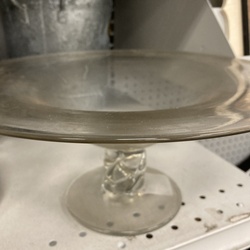
Submitted item photo
Submitted photo · May 27, 2026

User's notes

No additional notes provided.

AI analysis below

AI appraisal

AI analysis & estimate

AI-Generated · Verify before acting

Everything below is generated by AI for informational purposes only. AI can make mistakes — the AI may misidentify items or misattribute them (artist, maker, brand, designer, origin, era). This is not an official valuation and should not be used for insurance, sale, tax, estate, legal, or lending purposes — or any decision requiring a certified appraisal. It is not an authoritative claim about any person, brand, or rights holder — do not share or rely on it as a factual statement about a third party. Always consult qualified professionals before making financial decisions.

Read the full disclaimer

AI Identification

·Not independently authenticated·Verify before acting

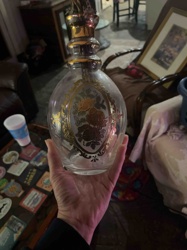
Vintage Clear Pressed Glass Creamer

Antique and Vintage Glassware

AI Estimated Value

·Not an official valuation·Verify before acting

$10.00 - $18.00

As of May 27, 2026

AI Item Analysis

·AI can make mistakes·Verify before acting
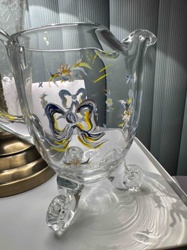
This is a vintage small glass creamer pitcher, likely dating from the mid-20th century. It is constructed from thick, clear pressed glass with a notable weight. The design features a classic thumbprint or starburst-style sunburst pattern radiating from the base, extending into vertical ribbed lines that travel up the sides of the vessel. It features an integrated pouring spout and a simple, curved 'C' shaped handle that appears to be applied rather than molded. The glass exhibits a slight grayish or yellowish tint common in mass-produced soda-lime glass of the Depression era or immediate post-war period. Though no maker's mark is visible in the provided image, the style is reminiscent of American companies like Anchor Hocking, Federal Glass, or Hazel-Atlas. The condition appears fair to good; while the body shows common manufacturing ripples and small bubbles (seeds), there are visible reflections that may mask minor flea bites on the rim or base. There is no evidence of Significant clouding or glass sickness, suggesting it was well-maintained. The craftsmanship is typical of high-volume mold-blown glassware, prioritizing utility and simple decorative flair over artisanal hand-cutting.
AI Appraisal Report

·AI can make mistakes·Verify before acting
I have virtually examined this vintage clear pressed glass creamer. The piece exhibits the characteristic manufacturing hallmarks of mid-20th-century American mass-produced glassware, likely dating between late Depression-era and the early 1950s. The 'sunburst' base and vertical ribbing are consistent with utilitarian patterns produced by major firms like Federal Glass or Hazel-Atlas. My assessment of the physical condition through the provided imagery indicates 'Fair to Good' status; while the glass maintains good clarity without significant 'sickness' or calcification, the visible manufacturing ripples and seeds are typical of soda-lime glass. This specific form—a small creamer—was produced in the millions as part of larger table sets. Consequently, it is not rare, and market demand is currently driven by casual vintage decorators rather than high-end glass collectors. The primary value lies in its functional utility and nostalgic aesthetic. Higher valuations are reserved for signed pieces or rare colors (such as Uranium or Cobalt), whereas clear variants remain highly accessible. Note that this appraisal is based solely on visual inspection of images. A physical examination is required to detect 'flea bites' or micro-chips along the pouring spout and handle attachment points, which could reduce the value further. To fully authenticate the manufacturer, I would need to compare the mold seams and base diameter against documented Early American Pressed Glass (EAPG) patterns or original trade catalogs. No scientific testing is required for this class of glassware, but provenance regarding its original set ownership would provide historical interest if not significant financial appreciation.

Get your items appraised

Instant estimates of your treasures with AI-powered appraisals

Browse More Appraisals