AI Appraisal Estimate

AI-generated estimates · not official valuations

From the user

What was submitted

Photo and notes provided by the user — not generated by AI

Submitted item photo
Submitted photo · June 15, 2026

User's notes

No additional notes provided.

AI analysis below

AI appraisal

AI analysis & estimate

AI-Generated · Verify before acting

Everything below is generated by AI for informational purposes only. AI can make mistakes — the AI may misidentify items or misattribute them (artist, maker, brand, designer, origin, era). This is not an official valuation and should not be used for insurance, sale, tax, estate, legal, or lending purposes — or any decision requiring a certified appraisal. It is not an authoritative claim about any person, brand, or rights holder — do not share or rely on it as a factual statement about a third party. Always consult qualified professionals before making financial decisions.

Read the full disclaimer

AI Identification

·Not independently authenticated·Verify before acting

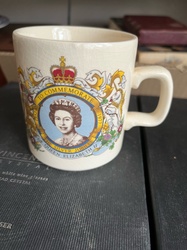
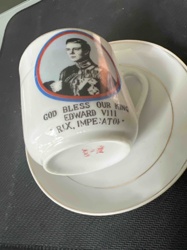
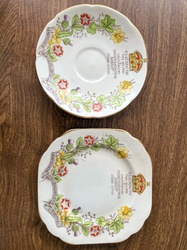
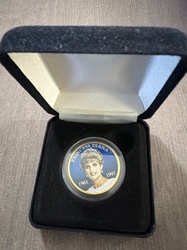
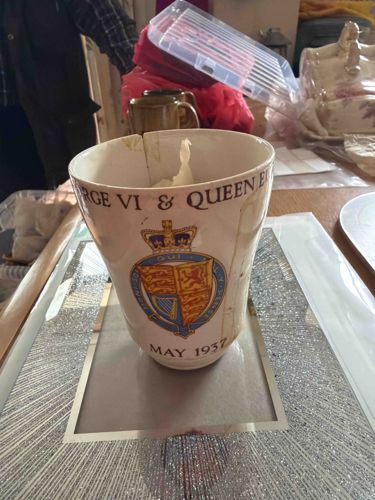
King George VI and Queen Elizabeth 1937 Coronation Commemorative Beaker

Historical Memorabilia / Royal Commemorative Ceramics

AI Estimated Value

·Not an official valuation·Verify before acting

$5 - $15

As of June 15, 2026

AI Item Analysis

·AI can make mistakes·Verify before acting
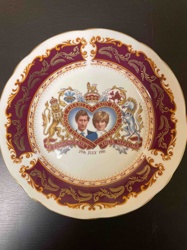
This item is a tapered ceramic beaker produced to commemorate the coronation of King George VI and Queen Elizabeth in May 1937. The piece is constructed from earthenware or creamware with a white glazed finish. Centered on the front is a large polychrome transfer-print featuring the Royal Coat of Arms of the United Kingdom, topped with the St. Edward's Crown and surrounded by the Garter motto 'Honi soit qui mal y pense'. Text encircling the rim reads 'KING GEORGE VI & QUEEN ELIZABETH' in a serif font, with 'MAY 1937' printed at the base. The color palette includes vibrant gold, blue, and red within the heraldic shield. Regarding condition, the beaker shows significant damage, most notably a large vertical crack extending from the rim deep into the body of the vessel, which appears to have been previously glued or stabilized with a visible adhesive residue. There is also substantial staining and localized surface crazing consistent with age and previous use. No maker's mark is visible in the current view, but such pieces were commonly produced by Staffordshire potteries like Wedgwood or Royal Doulton. This mass-produced souvenir represents Typical British royal memorabilia from the mid-20th century.
AI Appraisal Report

·AI can make mistakes·Verify before acting
I have conducted a visual examination of the 1937 Coronation Beaker commemorating King George VI and Queen Elizabeth. The piece is an authentic example of mass-produced mid-century British lead-glazed earthenware, likely originating from a Staffordshire pottery firm. While the transfer-print remains vibrant, the item is in poor structural condition. I observed a severe vertical crack extending from the rim through the body, showing evidence of an amateurish adhesive repair that has yellowed over time. Significant surface staining and crazing further diminish the aesthetic and structural integrity. The market for 1937 coronation memorabilia is saturated. These items were manufactured in the millions, and survival rates are exceptionally high. In the current secondary market, collectors prioritize 'mint' specimens. Comparable pieces in excellent condition typically sell for $20-$40; however, the damage present here reduces this item to a purely decorative or sentimental value. The presence of the structural defect translates to a significant loss of value, as it is no longer suitable for use and requires professional restoration that would far exceed the market value of a perfect specimen. Note that this appraisal is based on photographic evidence. A final verification of authenticity would require physical inspection to confirm the pottery body's composition and check for concealed rim chips under the glaze. I recommend checking the underside for an impressed 'Made in England' or maker's stamp. No scientific testing is required due to the low rarity of the item, but provenance documentation—such as original purchase records—could provide historical context, though it would not significantly alter the financial valuation given the condition.

Get your items appraised

Instant estimates of your treasures with AI-powered appraisals

Browse More Appraisals