AI Appraisal Estimate

AI-generated estimates · not official valuations

From the user

What was submitted

Photo and notes provided by the user — not generated by AI

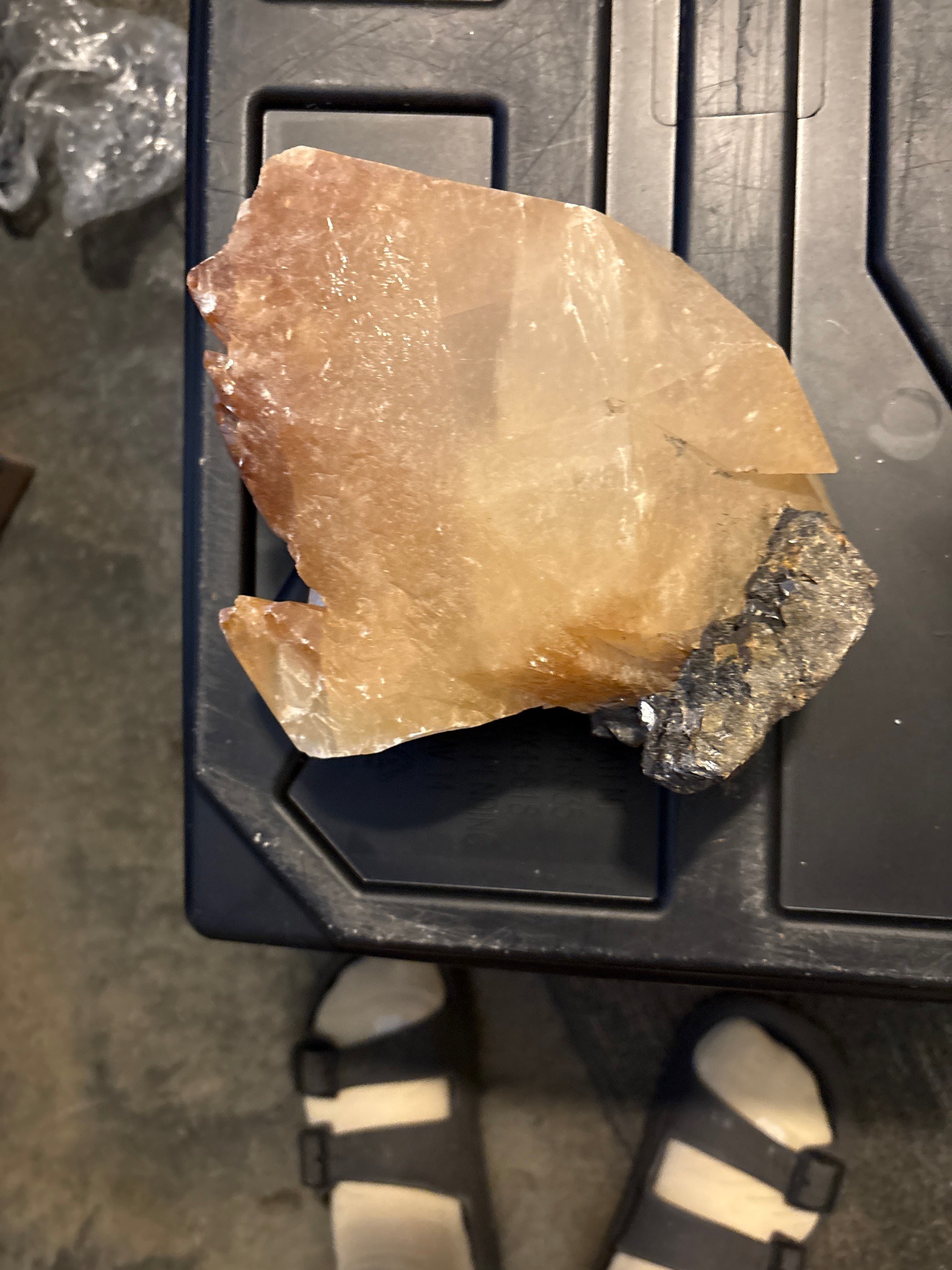
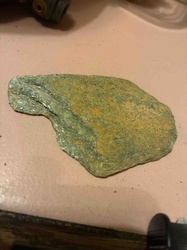
Submitted item photo
Submitted photo · June 17, 2026

User's notes

No additional notes provided.

AI analysis below

AI appraisal

AI analysis & estimate

AI-Generated · Verify before acting

Everything below is generated by AI for informational purposes only. AI can make mistakes — the AI may misidentify items or misattribute them (artist, maker, brand, designer, origin, era). This is not an official valuation and should not be used for insurance, sale, tax, estate, legal, or lending purposes — or any decision requiring a certified appraisal. It is not an authoritative claim about any person, brand, or rights holder — do not share or rely on it as a factual statement about a third party. Always consult qualified professionals before making financial decisions.

Read the full disclaimer

AI Identification

·Not independently authenticated·Verify before acting

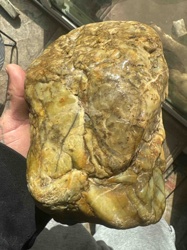
Calcite Crystal with Sphalerite Matrix

Geological Specimens and Minerals

AI Estimated Value

·Not an official valuation·Verify before acting

$150 - $250

As of June 17, 2026

AI Item Analysis

·AI can make mistakes·Verify before acting
This specimen is a large, translucent to semi-opaque mineral cluster, specifically identified as honey calcite (calcite). The crystal exhibits a distinct scale-like or rhombohedral cleavage structure characteristic of the carbonate mineral class. Its primary coloration ranges from a light pale cream to a deep honey-yellow and amber hue, likely caused by iron inclusions or similar trace elements. The specimen measures approximately several inches across and possesses a waxy to vitreous luster. Attached to the lower right side is a dark, metallic-gray matrix, which appears to be mineralized rock, potentially containing galena or sphalerite, common associates for this type of geode-based crystal growth. The edges of the calcite show some rough fracturing and contact points where it was harvested from its original rock pocket. The physical condition reflects natural geological formation, with no signs of synthetic enhancement or machine polishing. The sharpness of the crystal terminations and the contrast between the luminous calcite and the dark, textured host rock suggest a high-quality decorative or collector-grade mineral specimen. No maker's marks or signatures are present, as this is a natural geological occurrence. The specimen likely originates from a known mining district, possibly in the American Midwest or Mexico, where honey calcite is frequently found in hydrothermal vein deposits.
AI Appraisal Report

·AI can make mistakes·Verify before acting
I have performed a visual examination of this honey calcite specimen on a sphalerite matrix. The specimen displays excellent rhombohedral crystal habits and a desirable deep amber hue, characteristic of mid-western United States deposits, such as the Elmwood Mine in Tennessee. The waxy luster is consistent with untreated calcite. The termination points appear relatively intact, though some minor edge bruising is noted along the basal contact points, which is common for minerals harvested from hydrothermal veins. The presence of the dark, metallic matrix adds significant aesthetic contrast, which generally increases value for collectors compared to isolated crystals. The market for decorative mineral specimens remains stable, with high demand for pieces that balance size and color saturation. This specific combination is popular among both interior designers and mineral hobbyists. However, my assessment is based solely on digital images. A definitive valuation would require a physical inspection to confirm the absence of repair or stabilization resins, which are often concealed in the matrix. Furthermore, while the visual profile strongly suggests honey calcite, standard geological testing—such as a dilute HCl acid test or a specific gravity assessment—would be requisite to confirm the mineral chemistry and rule out visually similar carbonates. Provenance documentation or a specific locality label would further enhance the specimen's provenance and marketability.

Get your items appraised

Instant estimates of your treasures with AI-powered appraisals

Browse More Appraisals