AI Appraisal Estimate

AI-generated estimates · not official valuations

From the user

What was submitted

Photo and notes provided by the user — not generated by AI

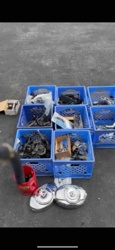
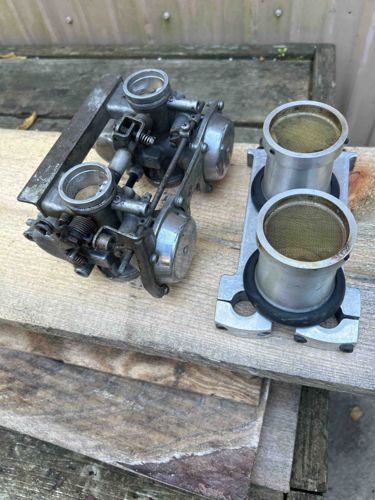
Submitted item photo
Submitted photo · June 16, 2026

User's notes

No additional notes provided.

AI analysis below

AI appraisal

AI analysis & estimate

AI-Generated · Verify before acting

Everything below is generated by AI for informational purposes only. AI can make mistakes — the AI may misidentify items or misattribute them (artist, maker, brand, designer, origin, era). This is not an official valuation and should not be used for insurance, sale, tax, estate, legal, or lending purposes — or any decision requiring a certified appraisal. It is not an authoritative claim about any person, brand, or rights holder — do not share or rely on it as a factual statement about a third party. Always consult qualified professionals before making financial decisions.

Read the full disclaimer

AI Identification

·Not independently authenticated·Verify before acting

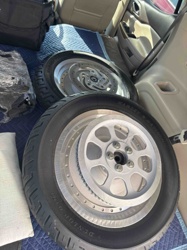
Motorcycle Carburetors with Velocity Stacks and Air Filters

Motorcycle Parts and Accessories

AI Estimated Value

·Not an official valuation·Verify before acting

$150-300

As of June 16, 2026

AI Item Analysis

·AI can make mistakes·Verify before acting
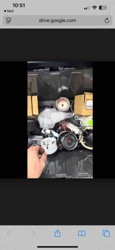
This item comprises a set of two motorcycle carburetors, likely from a twin-cylinder engine, along with two aftermarket velocity stacks fitted with mesh air filters. The carburetors appear to be constructed primarily from aluminum or a similar light alloy, showing a metallic gray finish typical of cast components. They exhibit signs of age and use, including some oxidation and grime, indicating they are not new but rather used parts. The external linkages, springs, and brass-colored jet mechanisms are visible, suggesting a standard carburetor design for internal combustion engines. One carburetor's float bowl is visible on the right side. The overall construction appears robust, engineered for the demands of an engine environment. There are no immediately visible manufacturer's marks or part numbers, which would typically be stamped or cast into the body. The accompanying velocity stacks are also made of a machined metal, silver in color, and feature fine mesh screens at their inlets, designed to prevent larger debris from entering the engine while maximizing airflow. Their condition appears relatively good, though the mesh may show some discoloration from use. The rubber sealing rings at the base of the velocity stacks suggest a specific fitment method. The items display a utilitarian aesthetic common to mechanical engine components, without decorative elements. Given their appearance and likely materials, these components seem to be from a motorcycle spanning from the 1970s through the 1990s, an era when such carburetor setups were prevalent before widespread fuel injection.
AI Appraisal Report

·AI can make mistakes·Verify before acting
Based on my visual examination of these motorcycle carburetors with velocity stacks and air filters, I assess their condition as used, showing signs of age, oxidation, and grime. This is consistent with original components from a motorcycle likely dating from the 1970s to the 1990s. The robust construction and visible internal mechanisms suggest they are authentic carburetor units. The velocity stacks appear to be aftermarket additions, in relatively good condition, with intact mesh filters. Without manufacturer's marks or part numbers visible, definitive identification of the exact motorcycle model or brand is impossible from images alone. This limits my ability to verify their original authenticity for a specific make. The market for used motorcycle carburetors is generally steady, driven by restorers and enthusiasts seeking period-correct parts. Comparables for generic used twin carburetors with velocity stacks typically range, with condition and brand being significant value factors. Given the lack of specific identification and the 'used' condition, these are not rare items. The primary factors impacting value are their unknown specific application, the need for cleaning and potentially rebuilding, and the generic nature of the setup. In-person examination would be crucial to assess internal wear, float bowl integrity, and to locate any hidden manufacturer's markings. Provenance documentation, such as service records or original bike details, would also significantly aid in authentication and potentially increase value. Without these, the value remains in the lower end for used mechanical components.

Get your items appraised

Instant estimates of your treasures with AI-powered appraisals

Browse More Appraisals