AI Appraisal Estimate

AI-generated estimates · not official valuations

From the user

What was submitted

Photo and notes provided by the user — not generated by AI

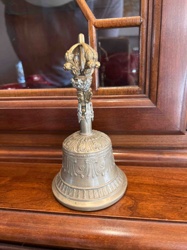
Submitted item photo
Submitted photo · May 23, 2026

User's notes

6 arm mahakala, claim to be 100 to 200 years old

AI analysis below

AI appraisal

AI analysis & estimate

AI-Generated · Verify before acting

Everything below is generated by AI for informational purposes only. AI can make mistakes — the AI may misidentify items or misattribute them (artist, maker, brand, designer, origin, era). This is not an official valuation and should not be used for insurance, sale, tax, estate, legal, or lending purposes — or any decision requiring a certified appraisal. It is not an authoritative claim about any person, brand, or rights holder — do not share or rely on it as a factual statement about a third party. Always consult qualified professionals before making financial decisions.

Note

This analysis also relies on unverified notes provided by the user, which may be incomplete or inaccurate and could affect the result.

Read the full disclaimer

AI Identification

·Not independently authenticated·Verify before acting

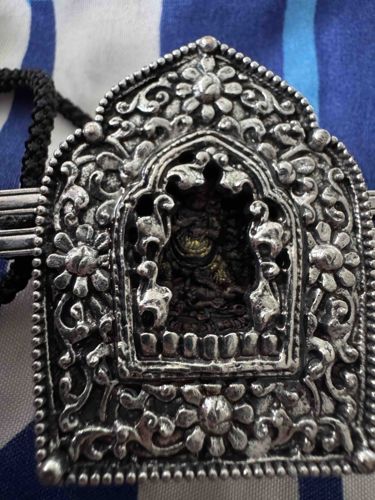
Tibetan Repoussé Silver Ghau (Amulet Box) featuring Six-Armed Mahakala

Himalayan Religious Jewelry and Ritual Objects

AI Estimated Value

·Not an official valuation·Verify before acting

$1,200 - $1,800

As of May 23, 2026

AI Item Analysis

·AI can make mistakes·Verify before acting
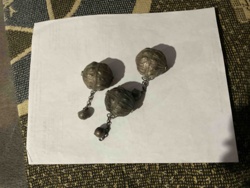
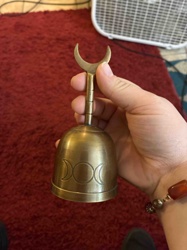
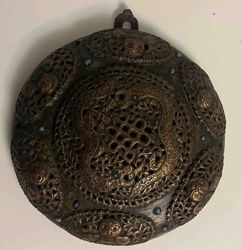
This is a portable Tibetan Ghau, or devotional shrine, traditionally worn as an amulet pendant. The object is constructed from a silver-toned metal, likely high-grade silver or a silver alloy, featuring intricate repoussé and chased floral scrollwork (foliate motifs) typical of Himalayan craftsmanship. The architectural frame is topped with a trefoil-arched crest and bordered by fine beaded edging. At the center is a small window (khirki) containing a dark, possibly clay-based (tsa-tsa) or bronze miniature figure of the Six-Armed Mahakala (Shadbhuja Mahakala), a fierce protector deity in Tibetan Buddhism. The deity is depicted in a wrathful stance with multiple arms holding ritual implements. The craftsmanship shows deep relief in the metalwork with a visible dark patina in the recessed areas, which highlights the floral patterns. Condition-wise, the piece appears well-preserved with minor surface wear consistent with handling. There is a slight darkening of the metal suggesting natural oxidization over time. The item features lateral tubes (bail) for threading a cord, shown here with a black braided textile. Given the style and oxidation, it aligns with 19th-century or early 20th-century production, characterized by the dense, symmetrical floral ornamentation of the Sino-Tibetan tradition.
AI Appraisal Report

·AI can make mistakes·Verify before acting
I have completed a visual examination of the Tibetan Repoussé Silver Ghau featuring the Six-Armed Mahakala. Based on the intricate repoussé craftsmanship and the specific oxidation patterns observed in the recessed foliate motifs, this piece appears to be a genuine article of Himalayan liturgical art dating from the late 19th to early 20th century. The high-relief silver work demonstrates the skill of the Newari or Tibetan silversmiths, characterized by the balanced symmetry of the trefoil arch and the crispness of the beaded borders. Market demand for protective deities like Mahakala remains strong among collectors of Buddhist ritual objects. Comparable items of this size and silver quality typically realize prices in the $1,200 to $1,800 range at boutique auctions specializing in Asian art. The presence of the miniature figure (tsa-tsa) adds significant value, though it remains protected by the original window, preventing a direct material assessment. While the patina and style are consistent with the claimed age of 100-200 years, a definitive valuation is limited by the digital nature of this inspection. Authenticity verification is constrained by the inability to perform a streak test for silver purity or a microscopic analysis of the internal 'consecration' materials often found inside ghaus. To confirm full market value and provide a Certificate of Authenticity, an in-person examination is required to check for hallmarks, verify weight, and examine the closure mechanism. Provenance documentation, such as previous collection history or acquisition records from a reputable dealer, would further enhance the item’s premium.

Get your items appraised

Instant estimates of your treasures with AI-powered appraisals

Browse More Appraisals