Lower Paleolithic Style Chert Chopper / Scraper Tool
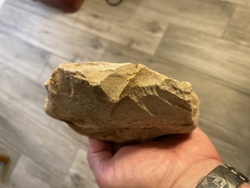
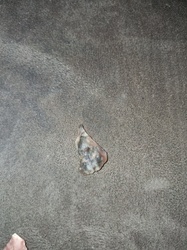
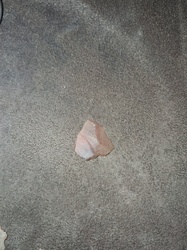
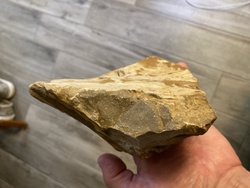
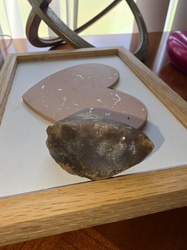
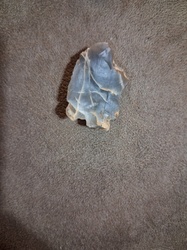
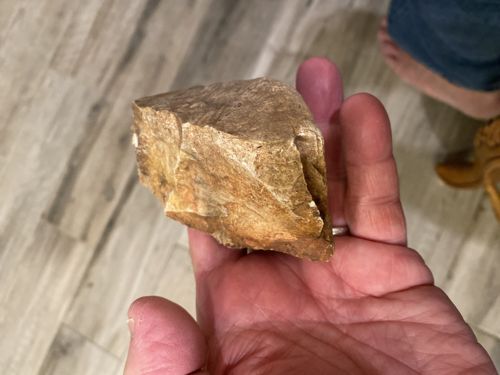
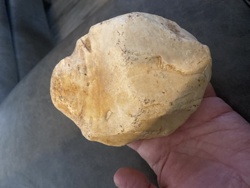
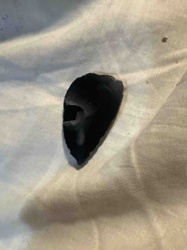
This item is a lithic artifact characterized as a scraper or chopper tool, reportedly found in Guthrie, OK. Measuring approximately 3 inches by 2.25 inches, the object is crafted from a dense, tawny-brown to tan chert. The material exhibits a heavy, earthy patina with significant mineral staining and iron-oxide coloration consistent with long-term burial in various soil types. Physically, the tool features a robust, thick cross-section with evidence of intentional unifacial or bifacial flaking along its primary working edge to create a sharp, durable margin for chopping or scraping hides and wood. The dorsal surface shows several large percussion flake scars, while the 'heel' or proximal end remains thick and unworked, likely to provide a comfortable ergonomic grip for the palm during use. The edges show signs of micro-flaking and step-fractures which may indicate use-wear or 'utilization' damage. While characterized as Lower Paleolithic in style, North American lithic technology typically dates to the Paleo-Indian or Archaic periods. The craftsmanship is utilitarian and opportunistic, typical of early stone tool industries where function overrode aesthetic form. There are no modern saw marks or fresh, unweathered breaks, suggesting the fracture surfaces are ancient.
AI-Generated Appraisal Disclaimer
Estimated Value
$45 - $85
Basic Information
Category
Lithic Artifacts / Prehistoric Stone Tools
Appraised On
February 19, 2026
Estimated Value
$45 - $85
Additional Details Provided By Owner
User Provided Information
Lower Paleolithic chert chopper hand axes scraper tool found in Guthrie OK measuring 3" x 2.25
Item Description
This item is a lithic artifact characterized as a scraper or chopper tool, reportedly found in Guthrie, OK. Measuring approximately 3 inches by 2.25 inches, the object is crafted from a dense, tawny-brown to tan chert. The material exhibits a heavy, earthy patina with significant mineral staining and iron-oxide coloration consistent with long-term burial in various soil types. Physically, the tool features a robust, thick cross-section with evidence of intentional unifacial or bifacial flaking along its primary working edge to create a sharp, durable margin for chopping or scraping hides and wood. The dorsal surface shows several large percussion flake scars, while the 'heel' or proximal end remains thick and unworked, likely to provide a comfortable ergonomic grip for the palm during use. The edges show signs of micro-flaking and step-fractures which may indicate use-wear or 'utilization' damage. While characterized as Lower Paleolithic in style, North American lithic technology typically dates to the Paleo-Indian or Archaic periods. The craftsmanship is utilitarian and opportunistic, typical of early stone tool industries where function overrode aesthetic form. There are no modern saw marks or fresh, unweathered breaks, suggesting the fracture surfaces are ancient.
Get Your Items Appraised
Instant estimates of your treasures with AI-powered instant appraisals