AI Appraisal Estimate

AI-generated estimates · not official valuations

From the user

What was submitted

Photo and notes provided by the user — not generated by AI

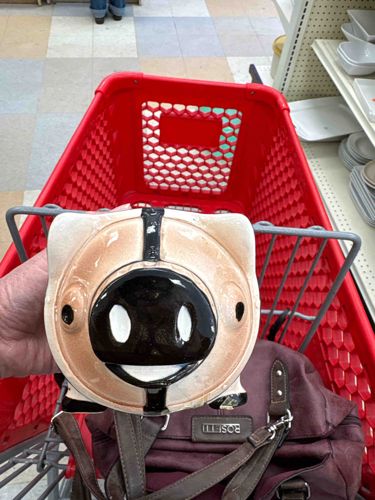
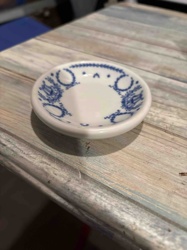
Submitted item photo
Submitted photo · June 14, 2026

User's notes

No additional notes provided.

AI analysis below

AI appraisal

AI analysis & estimate

AI-Generated · Verify before acting

Everything below is generated by AI for informational purposes only. AI can make mistakes — the AI may misidentify items or misattribute them (artist, maker, brand, designer, origin, era). This is not an official valuation and should not be used for insurance, sale, tax, estate, legal, or lending purposes — or any decision requiring a certified appraisal. It is not an authoritative claim about any person, brand, or rights holder — do not share or rely on it as a factual statement about a third party. Always consult qualified professionals before making financial decisions.

Read the full disclaimer

AI Identification

·Not independently authenticated·Verify before acting

Vintage Anthropomorphic Pig Cookie Jar Base

Vintage Kitchenware / Collectible Ceramics

AI Estimated Value

·Not an official valuation·Verify before acting

$15 - $25

As of June 14, 2026

AI Item Analysis

·AI can make mistakes·Verify before acting
This item is a novelty ceramic cookie jar base (lacking its lid) designed in an anthropomorphic pig style. The piece is constructed from heavy slip-cast earthenware featuring a high-gloss glazed finish. It displays a cream-colored body with airbrushed tan/peach highlights around the facial features to create depth. The most striking element is the large, oversized black snout with white glazed nostrils and a wide, stylized black grin that extends into a stripe running vertically up the forehead and down to the chin. Small, simple black circular eyes are positioned on the sides of the head. The craftsmanship is indicative of mid-century mass-market kitchenware, likely dating from the 1950s to the 1970s. The structure includes small molded feet at the base, also painted black. Condition-wise, the item shows significant signs of age and use: there are visible glaze chips and paint loss on the top vertical stripe and along the bottom feet, exposing the white ceramic body underneath. There is also evident crazing throughout the glaze, which is a network of fine cracks typical of older glazed ceramics. The absence of the matching lid considerably impacts its utility and collector value. No visible maker's marks are discernible from this angle, though similar styles were produced by various American and Japanese potteries during the post-war era.
AI Appraisal Report

·AI can make mistakes·Verify before acting
Based on my visual inspection of this vintage anthropomorphic pig cookie jar base, I have determined it to be a mid-century novelty earthenware piece, likely produced in the 1950s or 1960s. The heavy slip-cast construction and airbrushed 'blush' highlights are consistent with mass-market kitchenware of the era, frequently imported from Japanese potteries or produced by regional American firms. From a condition standpoint, the piece is significantly compromised. I observed notable glaze chips on the vertical black stripe and feet, along with pervasive crazing across the cream-colored body. Most importantly, the absence of the matching lid—which traditionally features the 'hat' or ears of the character—reduces this item from a complete collectible to a 'parts' piece or a planter. The market for mid-century kitchenalia remains steady for mint-condition examples by known makers like Hull or Metlox; however, incomplete and damaged specimens hold very little secondary market value. Similar 'orphan' bases move slowly through secondary markets like eBay or local antique malls. Authenticity cannot be fully verified via images alone, as modern reproductions of 1950s kitsch do exist. To reach a definitive conclusion, an in-person examination is required to check for cold-paint applications versus fired-on glazes, verify the weight of the clay body, and search the underside for faint impressed marks or 'Japan' backstamps often obscured by thick glaze. Provenance regarding its purchase history or original packaging would also bolster its historical context.

Get your items appraised

Instant estimates of your treasures with AI-powered appraisals

Browse More Appraisals