Prospect Stone Biface Hand Axe
Prehistoric Artifacts / Stone Tools

Prospect Stone Biface Hand Axe

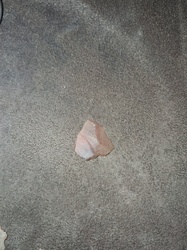
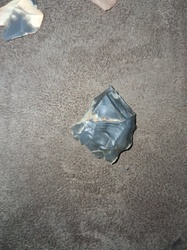
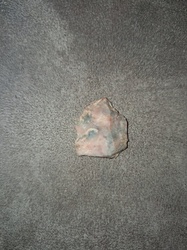
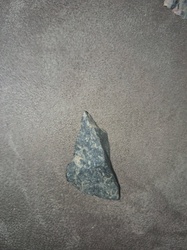
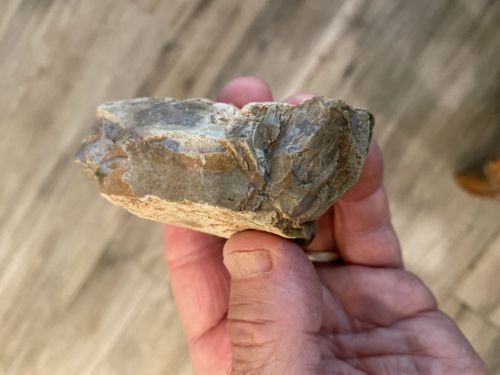
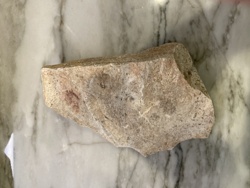
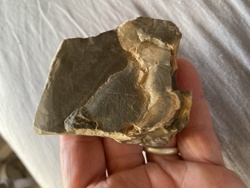
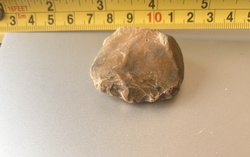
This artifact is a lithic biface hand axe, measuring approximately 3 inches in length by 2 inches in width, discovered in Guthrie, Oklahoma. The item is crafted from a high-quality chert or flint material, likely locally sourced, exhibiting a variegated color palette of smoky grays, earthy tans, and ochre-toned cortex. The construction demonstrates bifacial reduction techniques, with visible flake scars across both primary surfaces that indicate intentional percussion flaking to create a functional, sharp edge. Morphologically, it features a rounded, thick butt end suitable for a palm grip and a more tapered working edge. The physical condition shows significant age-related patina and weathered surfaces, with some smoothing of the flake ridges suggesting substantial use-wear or environmental exposure over a long period. No modern manufacturer marks are present, as this is a prehistoric tool dating to either the Archaic or Woodland periods of North American indigenous history. The craftsmanship is utilitarian but skilled, showing clear control over the stone’s conchoidal fracture properties. Distinguishing features include a patch of original white or cream-colored cortex still adhering to the lower edge, providing a textured contrast to the chipped interior stone. This specimen serves as an excellent example of regional lithic technology used for chopping and scraping tasks by ancestral inhabitants of the Great Plains.
Estimated Value

$75 - $125

Basic Information

Category

Prehistoric Artifacts / Stone Tools

Appraised On

February 17, 2026

Estimated Value

$75 - $125

Additional Details Provided By Owner

User Provided Information

Prospect stone Bi face Hand axe found in Guthrie, OK measuring 3" x 2"

Item Description

This artifact is a lithic biface hand axe, measuring approximately 3 inches in length by 2 inches in width, discovered in Guthrie, Oklahoma. The item is crafted from a high-quality chert or flint material, likely locally sourced, exhibiting a variegated color palette of smoky grays, earthy tans, and ochre-toned cortex. The construction demonstrates bifacial reduction techniques, with visible flake scars across both primary surfaces that indicate intentional percussion flaking to create a functional, sharp edge. Morphologically, it features a rounded, thick butt end suitable for a palm grip and a more tapered working edge. The physical condition shows significant age-related patina and weathered surfaces, with some smoothing of the flake ridges suggesting substantial use-wear or environmental exposure over a long period. No modern manufacturer marks are present, as this is a prehistoric tool dating to either the Archaic or Woodland periods of North American indigenous history. The craftsmanship is utilitarian but skilled, showing clear control over the stone’s conchoidal fracture properties. Distinguishing features include a patch of original white or cream-colored cortex still adhering to the lower edge, providing a textured contrast to the chipped interior stone. This specimen serves as an excellent example of regional lithic technology used for chopping and scraping tasks by ancestral inhabitants of the Great Plains.
Related Tags

Get Your Items Appraised

Instant estimates of your treasures with AI-powered instant appraisals

Browse More Appraisals