AI Appraisal Estimate

AI-generated estimates · not official valuations

From the user

What was submitted

Photo and notes provided by the user — not generated by AI

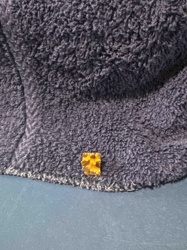
Submitted item photo
Submitted photo · June 6, 2026

User's notes

No additional notes provided.

AI analysis below

AI appraisal

AI analysis & estimate

AI-Generated · Verify before acting

Everything below is generated by AI for informational purposes only. AI can make mistakes — the AI may misidentify items or misattribute them (artist, maker, brand, designer, origin, era). This is not an official valuation and should not be used for insurance, sale, tax, estate, legal, or lending purposes — or any decision requiring a certified appraisal. It is not an authoritative claim about any person, brand, or rights holder — do not share or rely on it as a factual statement about a third party. Always consult qualified professionals before making financial decisions.

Read the full disclaimer

AI Identification

·Not independently authenticated·Verify before acting

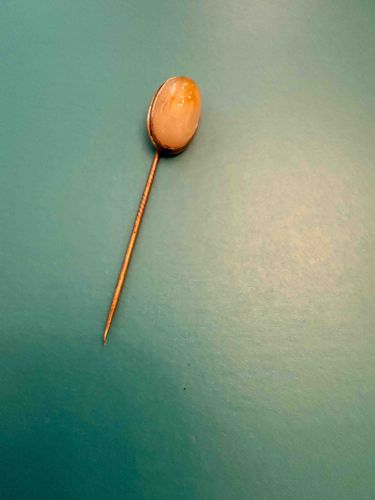
Oval Cabochon Hatpin

Jewelry/Accessory

AI Estimated Value

·Not an official valuation·Verify before acting

$40-75

As of June 6, 2026

AI Item Analysis

·AI can make mistakes·Verify before acting
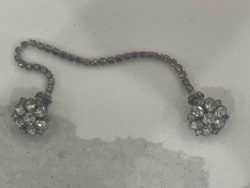
This item is an antique or vintage hatpin, characterized by its long, slender shaft and a decorative finial. The finial is an elongated oval or cabochon shape, appearing to be crafted from a translucent material with hues ranging from creamy white to pale orange or amber, suggesting either a natural stone such as amber or chalcedony, or possibly an early form of plastic like celluloid or Bakelite. The material exhibits some internal striations and variations in color saturation, giving it a somewhat organic appearance. The finial is set into a simple metal bezel, likely silver or a silver-plated base metal, which has a dull, aged patina. The pin shaft itself is made of a base metal, possibly brass or steel, and shows considerable tarnish and wear consistent with age and use. There are no discernible maker's marks or stamps on the visible parts of the pin. The overall condition suggests a piece from the late 19th to early 20th century, a period when hatpins were a prevalent fashion accessory. The tip of the pin appears sharp, and there are no obvious breaks or repairs, though the metal shaft does show some minor bending or warping.
AI Appraisal Report

·AI can make mistakes·Verify before acting
This antique or vintage hatpin, featuring an elongated oval cabochon finial, presents in good condition commensurate with its age. Based on visual examination, the finial's translucent appearance with color variations from creamy white to pale orange/amber strongly suggests it is crafted from amber or chalcedony. While celluloid or Bakelite are possibilities, the organic striations lean towards natural material. The simple metal bezel and base metal shaft exhibit uniform tarnish and wear, authenticating its age as likely late 19th to early 20th century. No maker's marks are discernible. The pin's tip is sharp, and there are no evident breaks, though minor shaft warping is noted.Market conditions for antique hatpins are stable, with demand driven by collectors and enthusiasts of early 20th-century fashion accessories. Comparables for natural stone or good quality early plastic hatpins typically range from $40-$100 depending on material and condition. This piece falls into that spectrum. Its attractive finial material and overall preservation contribute positively to its value. However, the absence of precious metals, significant provenance, or renowned maker's marks limits its upper valuation. The relatively common form factor also impacts rarity; while not mass-produced, this style is not exceptionally rare.Factors impacting value include the material authenticity of the finial (natural stone versus early plastic), which cannot be definitively confirmed without in-person examination or specific gravity testing. Furthermore, a thorough assessment of the metal content and any potential repairs would require physical inspection. Provenance documentation, if available, could significantly enhance value by confirming its history and origin, but none is presented here. Without direct physical inspection and testing, I cannot verify the exact composition of the finial or the metal, which would provide definitive authentication.

Get your items appraised

Instant estimates of your treasures with AI-powered appraisals

Browse More Appraisals