Prehistoric Chert Core Tool / Multi-Purpose Chopper
Lithic Artifacts / Archaeological Specimens

Prehistoric Chert Core Tool / Multi-Purpose Chopper

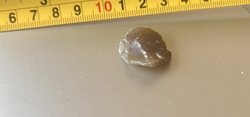
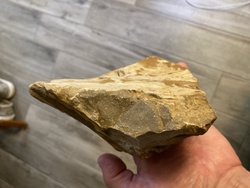
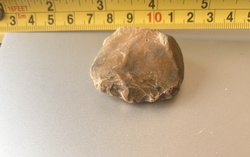
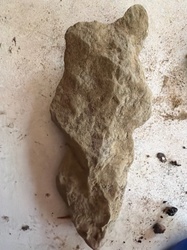
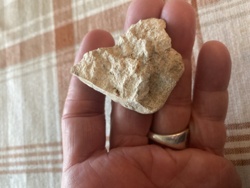
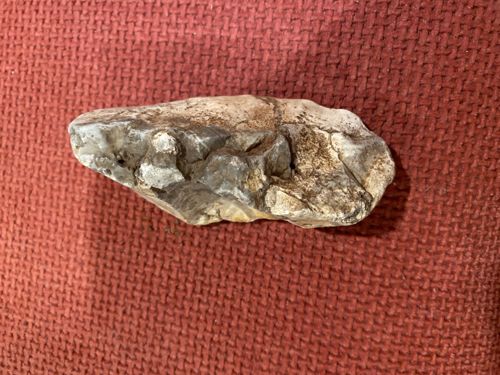
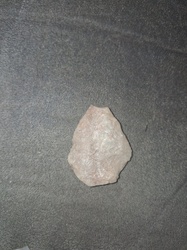
This specimen is a lithic artifact measuring approximately 4 inches in length and 1.25 inches in width, identified as a prehistoric multi-tool or core tool. It is fashioned from what appears to be a variegated chert or flint, showing characteristic conchoidal fractures and percussion scars consistent with intentional human modification. The material displays a complex color palette including shades of creamy white, medium gray, and tan, with visible iron oxide staining and earthy mineral deposits typical of being buried in the Oklahoma soil (Guthrie area). The tool features a thick, dorsal ridge and bifacial flaking along certain edges, suggesting it may have served as a scraper, a hand-ax, or a core from which smaller flakes were struck for further tool production. The surface exhibits a degree of patination and smoothing, suggesting moderate age and soil-acid exposure. While there are some irregular, jagged edges that could indicate post-depositional impact damage or modern plow strikes, the overall morphology follows a clear purposeful design for a handheld grip. There are no maker's marks, as it is a product of stone-age flintknapping techniques. The craftsmanship represents a utilitarian approach, focusing on edge accessibility and durable mass rather than ornamental refinement.
Estimated Value

$45 - $85

Basic Information

Category

Lithic Artifacts / Archaeological Specimens

Appraised On

February 18, 2026

Estimated Value

$45 - $85

Additional Details Provided By Owner

User Provided Information

Appears to be a prehistoric stone multi tool core tool found in Guthrie, OK measuring 4" x 1.25

Item Description

This specimen is a lithic artifact measuring approximately 4 inches in length and 1.25 inches in width, identified as a prehistoric multi-tool or core tool. It is fashioned from what appears to be a variegated chert or flint, showing characteristic conchoidal fractures and percussion scars consistent with intentional human modification. The material displays a complex color palette including shades of creamy white, medium gray, and tan, with visible iron oxide staining and earthy mineral deposits typical of being buried in the Oklahoma soil (Guthrie area). The tool features a thick, dorsal ridge and bifacial flaking along certain edges, suggesting it may have served as a scraper, a hand-ax, or a core from which smaller flakes were struck for further tool production. The surface exhibits a degree of patination and smoothing, suggesting moderate age and soil-acid exposure. While there are some irregular, jagged edges that could indicate post-depositional impact damage or modern plow strikes, the overall morphology follows a clear purposeful design for a handheld grip. There are no maker's marks, as it is a product of stone-age flintknapping techniques. The craftsmanship represents a utilitarian approach, focusing on edge accessibility and durable mass rather than ornamental refinement.
Get Your Items Appraised

Instant estimates of your treasures with AI-powered instant appraisals

Browse More Appraisals