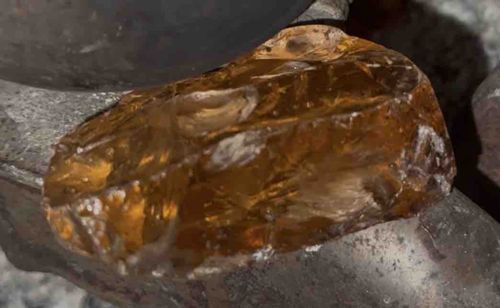
Raw Citrine or Amber Crystal Fragment
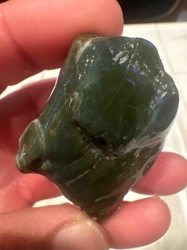
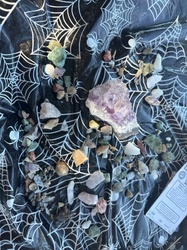
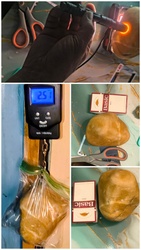
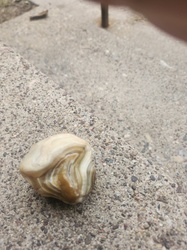
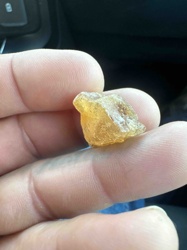
This specimen is a raw, unpolished crystal fragment, likely citrine quartz or possibly a piece of rough amber. It features a translucent to transparent body with a rich, warm honey-orange to amber-yellow hue. The physical structure is characterized by irregular, conchoidal fractures and jagged edges, suggesting it has been broken from a larger geode or mineral deposit rather than being water-worn. Spatially, it appears to be several centimeters in length, resting against a dark, industrial metallic surface that provides a stark contrast to its organic clarity. Noteworthy features include internal veining, minor inclusions that create a faceted light-play, and small areas of surface cloudiness. There are no definitive maker's marks or signatures, which is typical for natural mineral specimens. The condition shows significant surface abrasions and internal stress fractures, but these are characteristic of natural rough stones rather than damage. The craftsmanship is entirely geological, displaying natural crystallization patterns that date back millions of years. Its quality is indicated by the saturation of color and the degree of transparency, which suggests it could potentially be processed into gemstones if the internal clarity permits.
AI-Generated Appraisal Disclaimer
Estimated Value
$45.00 - $85.00
Basic Information
Category
Minerals and Gemstones
Appraised On
January 26, 2026
Estimated Value
$45.00 - $85.00
Item Description
This specimen is a raw, unpolished crystal fragment, likely citrine quartz or possibly a piece of rough amber. It features a translucent to transparent body with a rich, warm honey-orange to amber-yellow hue. The physical structure is characterized by irregular, conchoidal fractures and jagged edges, suggesting it has been broken from a larger geode or mineral deposit rather than being water-worn. Spatially, it appears to be several centimeters in length, resting against a dark, industrial metallic surface that provides a stark contrast to its organic clarity. Noteworthy features include internal veining, minor inclusions that create a faceted light-play, and small areas of surface cloudiness. There are no definitive maker's marks or signatures, which is typical for natural mineral specimens. The condition shows significant surface abrasions and internal stress fractures, but these are characteristic of natural rough stones rather than damage. The craftsmanship is entirely geological, displaying natural crystallization patterns that date back millions of years. Its quality is indicated by the saturation of color and the degree of transparency, which suggests it could potentially be processed into gemstones if the internal clarity permits.
Get Your Items Appraised
Instant estimates of your treasures with AI-powered instant appraisals