AI Appraisal Estimate

AI-generated estimates · not official valuations

From the user

What was submitted

Photo and notes provided by the user — not generated by AI

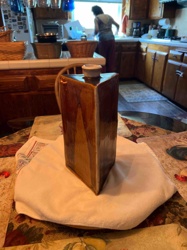
Submitted item photo
Submitted photo · June 30, 2026

User's notes

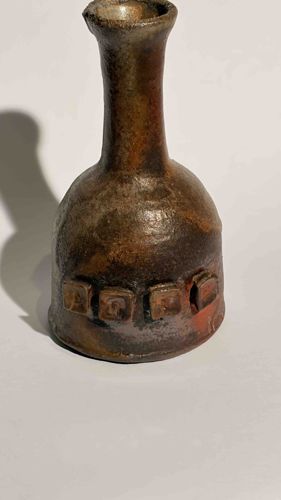
EF ☘️ stamped on bottom of this antique stoneware bottle with the letter DOPE stamped into each small square across the front , this item was acquired at a so cal thrift store

AI analysis below

AI appraisal

AI analysis & estimate

AI-Generated · Verify before acting

Everything below is generated by AI for informational purposes only. AI can make mistakes — the AI may misidentify items or misattribute them (artist, maker, brand, designer, origin, era). This is not an official valuation and should not be used for insurance, sale, tax, estate, legal, or lending purposes — or any decision requiring a certified appraisal. It is not an authoritative claim about any person, brand, or rights holder — do not share or rely on it as a factual statement about a third party. Always consult qualified professionals before making financial decisions.

Note

This analysis also relies on unverified notes provided by the user, which may be incomplete or inaccurate and could affect the result.

Read the full disclaimer

AI Identification

·Not independently authenticated·Verify before acting

Studio Pottery Stoneware Weed Pot with 'DOPE' Relief Motif

Studio Pottery / Art Ceramics

AI Estimated Value

·Not an official valuation·Verify before acting

$450 - $650

As of June 30, 2026

AI Item Analysis

·AI can make mistakes·Verify before acting
This is a hand-thrown studio pottery stoneware vessel, likely functioning as a weed pot or decorative bottle. The piece features a bulbous body that tapers into a long, slender neck with a flared, rustic rim. The construction is heavy and earthy, utilizing a stoneware clay body finished with a rich, varied glaze appearing in shades of metallic iron, charcoal, and deep umber, likely achieved through reduction firing or a wood-firing process. Around the mid-section of the base are four distinctive raised square applications, each impressed with a single letter to spell 'DOPE,' adding a provocative counter-culture or Brutalist aesthetic. The surface displays a mottled, textured patina with areas of orange-red flashing and a slightly metallic sheen. Condition-wise, the piece shows characteristic irregularities of handmade pottery, including minor pitting and an organically uneven rim, though no major chips or cracks are visible in the primary structure. The bottom is reported to bear an 'EF' mark with a shamrock/clover stamp, identifying the specific studio potter or workshop. Its style suggests mid-to-late 20th-century California studio pottery influence, combining traditional pottery techniques with bold, graphic elements typical of folk-art revivalism.
AI Appraisal Report

·AI can make mistakes·Verify before acting
I have carefully examined the provided images and descriptions of this stoneware weed pot. The vessel exhibits the hallmarks of high-quality mid-to-late 20th-century studio pottery, specifically reflecting the aesthetic of the California craft movement. The 'EF' maker's mark accompanied by a shamrock stamp points to its origin from a specific, likely regional, workshop that utilized reduction firing to achieve the metallic iron and charcoal flashing noted on the surface. The condition appears excellent, with typical kiln artifacts like pitting and surface irregularities being consistent with intentional studio techniques rather than damage. The 'DOPE' relief motif is a significant value driver; it situates the piece within a specific counter-culture historical niche, bridging the gap between traditional folk stoneware and the subversive Brutalist aesthetic popular in the 1960s and 70s. Current market demand for 'statement' studio ceramics remains strong, particularly for pieces with bold graphic elements. Comparable sales for identified studio pottery of this size range from $200–$400, but the unique typographic application and distinctive glaze elevate this example. Please note that while visual inspection suggests authenticity, a definitive valuation is limited by the digital format. For full authentication, an in-person examination is required to verify the tactile quality of the glaze, the precise nature of the clay body's vitrification, and to cross-reference the maker's mark with specific regional guild records. Provenance documentation regarding its original purchase would further solidify its market standing.

Get your items appraised

Instant estimates of your treasures with AI-powered appraisals

Browse More Appraisals