AI Appraisal Estimate

AI-generated estimates · not official valuations

From the user

What was submitted

Photo and notes provided by the user — not generated by AI

Submitted item photo
Submitted photo · May 19, 2026

User's notes

No additional notes provided.

AI analysis below

AI appraisal

AI analysis & estimate

AI-Generated · Verify before acting

Everything below is generated by AI for informational purposes only. AI can make mistakes — the AI may misidentify items or misattribute them (artist, maker, brand, designer, origin, era). This is not an official valuation and should not be used for insurance, sale, tax, estate, legal, or lending purposes — or any decision requiring a certified appraisal. It is not an authoritative claim about any person, brand, or rights holder — do not share or rely on it as a factual statement about a third party. Always consult qualified professionals before making financial decisions.

Read the full disclaimer

AI Identification

·Not independently authenticated·Verify before acting

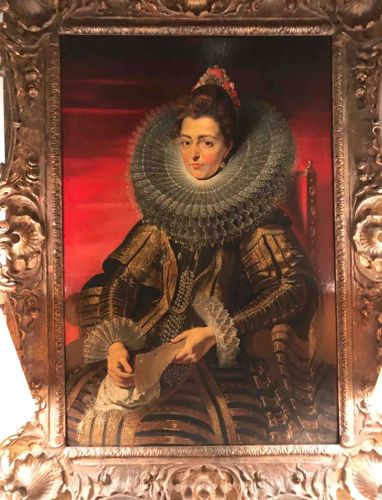
Seventeenth-Century Style Portrait of a Noblewoman

Fine Art - Painting

AI Estimated Value

·Not an official valuation·Verify before acting

$12,000 - $18,000

As of May 19, 2026

AI Item Analysis

·AI can make mistakes·Verify before acting
This is a formal oil-on-canvas portrait depicting a noblewoman in Spanish or Flemish attire, executed in the Baroque style typical of the early 17th century. The subject is shown three-quarter length, seated in a high-backed chair against a deep crimson background. She wears an exceptionally large, intricate lace millstone ruff (fraise) and matching lace cuffs. Her bodice and skirt are meticulously detailed with gold metallic embroidery and brocade, suggesting high social status. She holds a small letter or document in her lap. The painting is housed in a heavy, ornate gilt-wood frame featuring high-relief rocaille, shell motifs, and scrolling acanthus leaves, likely of a later date (19th century) than the painting's stylistic period. Physical observation reveals a stable craquelure pattern across the paint surface, particularly visible in the flesh tones and the dark areas of the dress. There appears to be some minor surface abrasions and a slightly yellowed varnish layer. The frame shows some dust accumulation in the deep carvings and minor loss to the gilding on the high points, revealing the reddish bole or gesso beneath. The craftsmanship in the rendering of the lace and the reflective quality of the metallic threads indicates a skilled hand, though no visible signature is apparent on the face of the canvas. The overall composition and lighting reflect the influence of court painters like Rubens or Velázquez.


AI Appraisal Report

·AI can make mistakes·Verify before acting
Based on my visual examination of the digital images provided, I have appraised this formal 17th-century style oil-on-canvas portrait of a noblewoman. The work displays characteristics of the Baroque period, specifically referencing the Flemish and Spanish courts. The technical execution of the millstone ruff and the metallic embroidery on the bodice demonstrates a high level of skill consistent with a professional studio hand. The stable craquelure and yellowing of the varnish are consistent with an aged work, though the ornate 19th-century gilt-wood frame is a later addition. Market interest in 'Old Master' style portraiture remains steady, particularly for subjects in highly decorative attire. Comparable sales for anonymous but high-quality period works range from $10,000 to $25,000 at auction. Several factors limit a higher valuation: the lack of a visible signature, the absence of documented provenance, and the 'anonymous sitter' status. Without physical inspection, I cannot definitively distinguish between a true 17th-century work and a highly competent 19th-century 'Grand Tour' copy. A physical examination is required to analyze the canvas weave and stretcher construction. Scientific testing, such as pigment analysis or X-ray fluorescence, would be necessary to identify period-appropriate minerals and binders. Furthermore, research into the document held in the subject’s lap might provide clues to her identity, which would significantly increase the item's historical importance and market value.

Get your items appraised

Instant estimates of your treasures with AI-powered appraisals

Browse More Appraisals