Westmoreland Milk Glass Lace Edge Footed Compote or Fruit Bowl
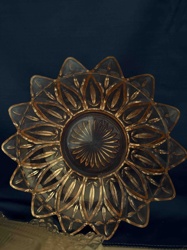
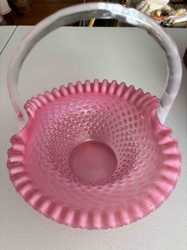
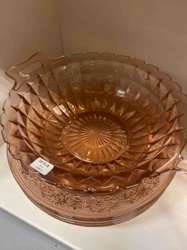
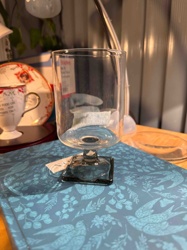
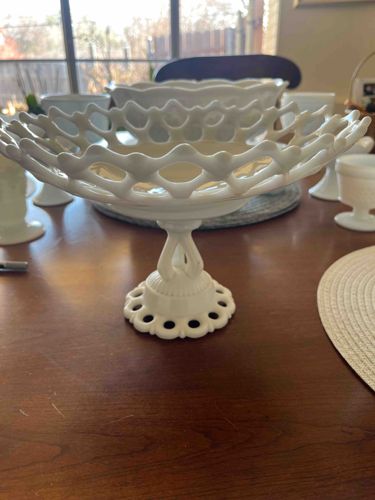
This is a vintage mid-century milk glass compote, likely produced by the Westmoreland Glass Company. The item is characterized by its opaque, stark white 'milk glass' composition and a distinct open-work lattice or 'lace' border along the flared rim. The bowl sits upon a tall, decorative pedestal foot with a twisted stem design and a reticulated base that echoes the lace pattern of the rim. The craftsmanship reflects the high standards of 20th-century pressed glass, featuring smooth surfaces and well-defined geometric cut-outs. The piece stands approximately 6 to 8 inches high with a wide diameter, suitable for serving fruit or sweets. No visible chips, cracks, or significant scuffing are apparent in the image, suggesting a well-preserved condition with a slight natural patina in the recessed areas. This style was highly popular in the 1940s and 1950s, representing a classic example of American decorative glassware. The lack of visible branding in the photo is common for these pieces, which often used paper labels or molded marks on the underside of the base.

AI-Generated Appraisal Disclaimer
Estimated Value
$45.00 - $65.00
Basic Information
Category
Vintage Glassware / Collectibles
Appraised On
January 31, 2026
Estimated Value
$45.00 - $65.00
Item Description
This is a vintage mid-century milk glass compote, likely produced by the Westmoreland Glass Company. The item is characterized by its opaque, stark white 'milk glass' composition and a distinct open-work lattice or 'lace' border along the flared rim. The bowl sits upon a tall, decorative pedestal foot with a twisted stem design and a reticulated base that echoes the lace pattern of the rim. The craftsmanship reflects the high standards of 20th-century pressed glass, featuring smooth surfaces and well-defined geometric cut-outs. The piece stands approximately 6 to 8 inches high with a wide diameter, suitable for serving fruit or sweets. No visible chips, cracks, or significant scuffing are apparent in the image, suggesting a well-preserved condition with a slight natural patina in the recessed areas. This style was highly popular in the 1940s and 1950s, representing a classic example of American decorative glassware. The lack of visible branding in the photo is common for these pieces, which often used paper labels or molded marks on the underside of the base.
Related Tags
Get Your Items Appraised
Instant estimates of your treasures with AI-powered instant appraisals