AI identification & appraisal estimate

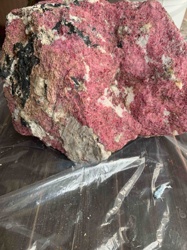
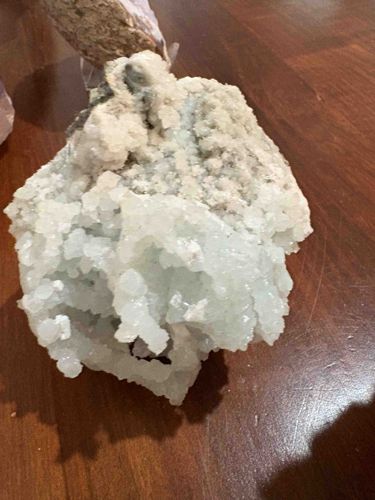
Botryoidal Chalcedony Mineral Specimen

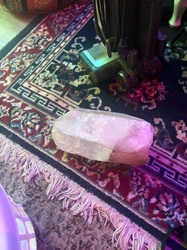
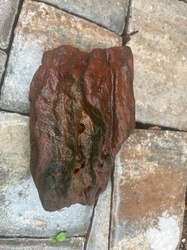
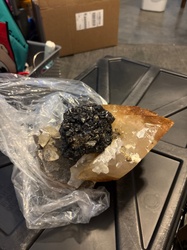
Submitted photo of Botryoidal Chalcedony Mineral Specimen
Photo submitted by the user — not generated by AI

User's notes

4 x 3

These notes were written by the person who submitted this item. Appraiser.AI has not verified them, and the AI's identification and estimate may rely on them.

AI Estimated Value

Not an official valuation

$150-250

AI estimate as of June 24, 2025 · verify with a professional before acting

AI-Generated · Verify before acting

Everything on this page is generated by AI for informational purposes only. AI can make mistakes — the AI may misidentify items or misattribute them (artist, maker, brand, designer, origin, era). This is not an official valuation and should not be used for insurance, sale, tax, estate, legal, or lending purposes — or any decision requiring a certified appraisal. It is not an authoritative claim about any person, brand, or rights holder — do not share or rely on it as a factual statement about a third party. Always consult qualified professionals before making financial decisions.

This analysis also relies on unverified notes provided by the user, which may be incomplete or inaccurate and could affect the result.

Read the full disclaimer

AI Item Analysis

This appears to be a large geode or mineral specimen featuring a prominent formation of botryoidal chalcedony, likely a type of quartz. The overall specimen exhibits a rough, somewhat irregular shape, indicative of a natural formation. The dominant color is a translucent to opaque pale aquamarine or very light blue-green, particularly in the lower and central portions where the chalcedony formations are most concentrated. Towards the top, there is an area of lighter, more opaque white or off-white material, possibly a different mineral or a variation in the chalcedony's purity and structure, possibly indicating a host rock or matrix material. The chalcedony forms grape-like or bubbly aggregates, characteristic of botryoidal habit, with individual spheres or nodules varying in size, creating a textured surface. Some areas show a more drusy, crystalline texture with small, glittering points, especially visible in the lighter regions. There are no discernible manufacturing details, maker's marks, or signatures, strongly suggesting a naturally occurring mineral formation. The condition appears to be good for a natural specimen, with no obvious signs of significant damage like large chips or structural breaks; any irregularities are likely part of its natural growth. The estimated age is geological, as it's a naturally formed mineral. The quality is indicative of a well-formed mineral specimen, showcasing distinct botryoidal habit and a pleasing coloration, making it suitable for display in a mineral collection.

AI Appraisal Report

Based on my visual examination of the provided image, this Botryoidal Chalcedony specimen exhibits characteristics consistent with a natural mineral formation. The distinctive grape-like habit and translucent pale aquamarine coloration are typical for this mineral. The overall condition appears excellent for a natural specimen, with no visible significant chips or structural damage that would detract from its aesthetic appeal. Authenticity as a natural chalcedony geode seems very high from the image; there are no signs of artificial manipulation or fabrication. In terms of market conditions, botryoidal chalcedony, particularly in attractive colors and well-formed habits like this, is currently sought after by mineral collectors and enthusiasts. While not exceedingly rare, specimens displaying good color saturation and distinct botryoidal formations are more desirable. The stated dimensions (4 x 3) suggest a modest but displayable size, which contributes positively to its value. Factors impacting value include the pleasing color, the well-defined botryoidal habit, and apparent lack of damage. However, it's crucial to acknowledge that a definitive appraisal from images alone has limitations. I cannot physically assess the exact translucency, internal fractures, precise weight, or the stability of the matrix material. For full authentication and a more precise valuation, an in-person examination, including tactile assessment and potentially specific gravity testing, would be ideal. Provenance documentation, though less critical for natural minerals of this type, could add to its history.

Keep exploring

More mineral specimen appraisals

Get your items appraised

Instant AI-powered appraisal estimates from a photo

Browse More Appraisals