AI Appraisal Estimate

AI-generated estimates · not official valuations

From the user

What was submitted

Photo and notes provided by the user — not generated by AI

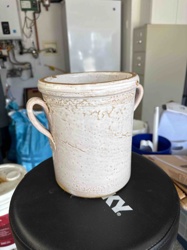
Submitted item photo
Submitted photo · June 8, 2026

User's notes

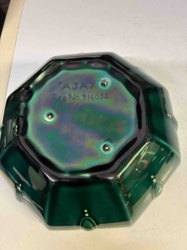
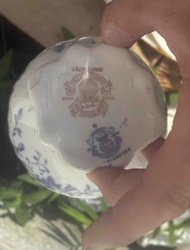
has stamp on bottom

AI analysis below

AI appraisal

AI analysis & estimate

AI-Generated · Verify before acting

Everything below is generated by AI for informational purposes only. AI can make mistakes — the AI may misidentify items or misattribute them (artist, maker, brand, designer, origin, era). This is not an official valuation and should not be used for insurance, sale, tax, estate, legal, or lending purposes — or any decision requiring a certified appraisal. It is not an authoritative claim about any person, brand, or rights holder — do not share or rely on it as a factual statement about a third party. Always consult qualified professionals before making financial decisions.

Note

This analysis also relies on unverified notes provided by the user, which may be incomplete or inaccurate and could affect the result.

Read the full disclaimer

AI Identification

·Not independently authenticated·Verify before acting

Victorian Era Decorative Ceramic Pitcher

Antique Ceramics and Pottery

AI Estimated Value

·Not an official valuation·Verify before acting

$125 - $225

As of June 8, 2026

AI Item Analysis

·AI can make mistakes·Verify before acting
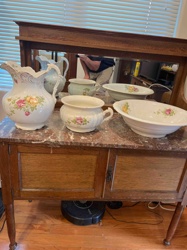
This is a Victorian-style bulbous ceramic pitcher, likely dating from the late 19th to early 20th century. The piece features a wide, flared pour spout and a high-arching ornate handle with scrollwork details. The color palette consists of a transition from a creamy white near the rim to a vibrant moss green on the lower body. It is decorated with hand-painted or transfer floral sprays, appearing as delicate blooming flowers and green foliage. The rim and sections of the handle show remnants of heavy gold gilt accenting, which adds a decorative elegance characteristic of the period. In terms of condition, there appears to be significant wear to the gold leafing on the rim (gilding loss) and noticeable surface crackling or crazing in the glaze, which is common in antique earthenware or ironstone. The body has a tapered base and shows high-quality craftsmanship in its molded proportions. While the specific maker's mark mentioned as being on the bottom is not visible in the photo, the style is consistent with high-end European potteries such as Royal Bonn or American Art Pottery from the Ohio Valley region. This pitcher likely served as a wash basin accessory or a centerpiece water carafe.
AI Appraisal Report

·AI can make mistakes·Verify before acting
I have carefully examined the provided images and descriptions of this Victorian-style bulbous ceramic pitcher. The piece displays classic late-19th-century aesthetics, notably the ombre transition from ivory to moss green and the ornate rococo-style handle. Based on the profile and the floral transfer-ware application, this appears to be a legitimate antique wash-basin pitcher, likely of Western European or American Ohio Valley origin. The condition shows significant age-related wear. The heavy 'crazing' throughout the glaze is indicative of moisture absorption over time in earthenware, and the substantial gilding loss on the rim and handle suggests frequent use. While these factors confirm its age, they typically suppress market value compared to 'mint' specimens. The presence of a maker's stamp on the bottom is crucial; if the mark corresponds to a house like Royal Bonn or Weller, the value would sit at the higher end of the estimate. The market for Victorian floral ceramics is currently stable but specialized. Similar pitchers frequently appear at regional auctions. Collectors today prioritize pieces with intact gold leafing and minimal staining within the crazing. The primary value drivers here are the popular green color palette and the ornate form. Limitation: This appraisal is based on visual data only. A physical inspection is required to check for 'ringing' (to detect hidden structural cracks) and to verify if the floral elements are hand-painted or decal-transfers. Furthermore, without a clear photograph of the base stamp, I cannot definitively attribute the pottery house. Provenance documentation or a detailed photo of the manufacturer's mark would be necessary to finalize a higher-tier valuation.

Get your items appraised

Instant estimates of your treasures with AI-powered appraisals

Browse More Appraisals