Japanese Shogi Game Piece (Koma)
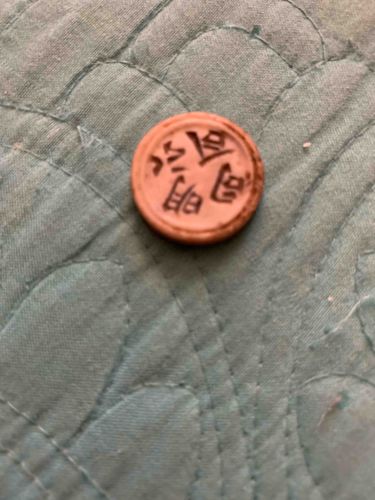
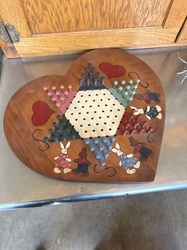
This item is a traditional Japanese Shogi (chess) game piece, characterized by its distinctive pentagonal shape and wooden construction. The piece appears to be crafted from traditional wood, likely boxwood or maple, featuring an aged, warm reddish-brown patina that suggests significant historical use. The surface is inscribed with black calligraphic kanji characters, specifically identifying the piece's rank. The physical dimensions are small, typical for a standard Shogi set, designed for tactile ease of play. Notable visible condition issues include significant edge wear, grime accumulation in the grain, and softening of the sharp angles, indicating a piece from a well-loved set. The calligraphy shows some slight fading but remains legible. The style and construction method are indicative of mass-produced yet high-quality playing pieces from the mid-20th century, approximately 1940s to 1960s. The thickness of the piece and the quality of the wood suggest it was part of a mid-tier set rather than a basic plastic or inexpensive softwood version. The overall appearance exhibits a rustic charm and authentic historical character found in vintage Japanese table games.

AI-Generated Appraisal Disclaimer
Estimated Value
$45-75
Basic Information
Category
Antique Games and Toys
Appraised On
February 17, 2026
Estimated Value
$45-75
Item Description
This item is a traditional Japanese Shogi (chess) game piece, characterized by its distinctive pentagonal shape and wooden construction. The piece appears to be crafted from traditional wood, likely boxwood or maple, featuring an aged, warm reddish-brown patina that suggests significant historical use. The surface is inscribed with black calligraphic kanji characters, specifically identifying the piece's rank. The physical dimensions are small, typical for a standard Shogi set, designed for tactile ease of play. Notable visible condition issues include significant edge wear, grime accumulation in the grain, and softening of the sharp angles, indicating a piece from a well-loved set. The calligraphy shows some slight fading but remains legible. The style and construction method are indicative of mass-produced yet high-quality playing pieces from the mid-20th century, approximately 1940s to 1960s. The thickness of the piece and the quality of the wood suggest it was part of a mid-tier set rather than a basic plastic or inexpensive softwood version. The overall appearance exhibits a rustic charm and authentic historical character found in vintage Japanese table games.
Get Your Items Appraised
Instant estimates of your treasures with AI-powered instant appraisals