AI estimate as of August 1, 2025 · verify with a professional before acting
AI-Generated · Verify before acting
Everything on this page is generated by AI for informational purposes only. AI can make mistakes — the AI may misidentify items or misattribute them (artist, maker, brand, designer, origin, era). This is not an official valuation and should not be used for insurance, sale, tax, estate, legal, or lending purposes — or any decision requiring a certified appraisal. It is not an authoritative claim about any person, brand, or rights holder — do not share or rely on it as a factual statement about a third party. Always consult qualified professionals before making financial decisions.
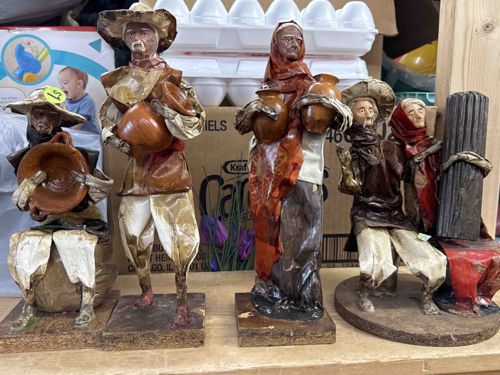
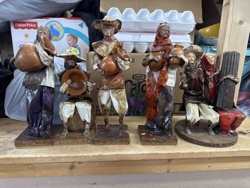
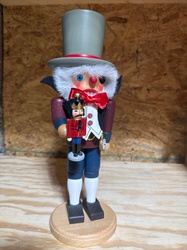
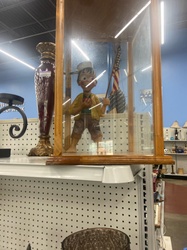
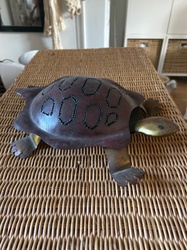
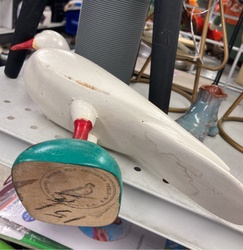
This collection consists of four folk art figurines, each depicting a stylized human figure, likely from a Latin American or Southwestern cultural context, given their representation and the presence of what appear to be terracotta vessels. The figures are constructed primarily from what appears to be papier-mâché or a similar stiffened fabric/paper medium, giving them a textured and somewhat coarse appearance. Their bodies are formed, and then draped with what simulates clothing, much of it in earth tones such as browns, muted reds, and off-whites/creams. Some figures wear hats, either wide-brimmed or headscarves. The faces are expressive, with visible noses, mouths, and eyes, often rendered with a distinct, almost elongated quality. The skin tones range from light brown to a darker, weathered hue. Each figure is mounted on a rectangular or oval wooden base, stained in a dark brown or reddish-brown color, showing some edge wear and minor scuffing, indicating age and handling. The tallest figure stands approximately 12-14 inches high, while others vary in height and pose. Two figures hold terracotta-like pots or vessels, one is seated with what might be an instrument or bowl, and another is seated next to a textured column-like object. The craftsmanship, while not finely detailed, exhibits a robust, handmade aesthetic, consistent with folk art traditions. There are visible signs of wear, including minor chipping on the painted surfaces, slight discoloration on the lighter fabric areas, and general aging of the materials. No discernible maker's marks or signatures are visible in the provided images. Based on the style and typical materials, these pieces likely date from the mid-to-late 20th century.
AI Appraisal Report
This set of four papier-mâché folk art figurines, likely from a Latin American or Southwestern tradition, presents as charming examples of handmade artistry. My visual assessment indicates their condition is consistent with age and typical handling for folk art, showing minor chipping, discoloration, and general material aging. The robust, textured appearance and expressive faces are characteristic of the genre. Authenticity appears good as a period folk art set, given the materials and stylistic elements. However, without in-person examination, I cannot definitively confirm the precise papier-mâché composition versus other stiffened fabric/paper mediums, nor can I verify any hidden repairs or internal structural integrity. The absence of maker's marks is common for this type of art.
In terms of market conditions, comparable folk art figurines, particularly those with a clear regional aesthetic and in sets, tend to perform well. Demand for unique, hand-crafted ethnographic items remains consistent within the decorative arts and folk art markets. While not exceptionally rare, a cohesive set of four is more desirable than individual pieces. Factors positively impacting value include the charming aesthetic, the set's completeness, and the handmade artisan quality. The visible wear, while authentic, slightly tempers the value.
Full authentication would benefit significantly from an in-person examination to assess material integrity, hidden damage, and precise construction techniques. Provenance documentation, though unlikely for pieces of this nature and value, would offer conclusive dating and origin. Scientific testing is not typically applied to items of this value but could confirm material composition if concerns arose.