AI Appraisal Estimate

AI-generated estimates · not official valuations

From the user

What was submitted

Photo and notes provided by the user — not generated by AI

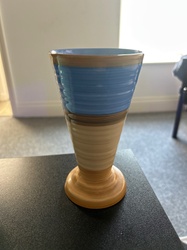
Submitted item photo
Submitted photo · June 23, 2026

User's notes

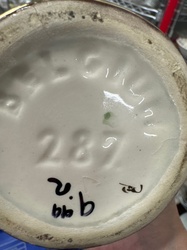
Weller, jardiniere, small hairline crack inside

AI analysis below

AI appraisal

AI analysis & estimate

AI-Generated · Verify before acting

Everything below is generated by AI for informational purposes only. AI can make mistakes — the AI may misidentify items or misattribute them (artist, maker, brand, designer, origin, era). This is not an official valuation and should not be used for insurance, sale, tax, estate, legal, or lending purposes — or any decision requiring a certified appraisal. It is not an authoritative claim about any person, brand, or rights holder — do not share or rely on it as a factual statement about a third party. Always consult qualified professionals before making financial decisions.

Note

This analysis also relies on unverified notes provided by the user, which may be incomplete or inaccurate and could affect the result.

Read the full disclaimer

AI Identification

·Not independently authenticated·Verify before acting

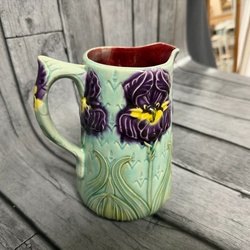
Weller Pottery Majolica-Style Scalloped Jardiniere

Art Pottery / Antique Ceramics

AI Estimated Value

·Not an official valuation·Verify before acting

$125.00 - $175.00

As of June 23, 2026

AI Item Analysis

·AI can make mistakes·Verify before acting
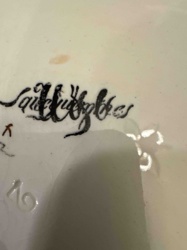
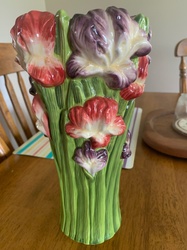
This is a vintage ceramic jardiniere produced by Weller Pottery, likely dating from the early 20th century (circa 1900-1920s). The item features a bulbous, rounded body that tapers toward a molded base, topped with a distinctive scalloped or pie-crust rim. Its aesthetic is characterized by a high-relief, molded Art Nouveau design featuring ornate scrolling acanthus leaves, floral motifs, and organic swells. The glaze is a classic Majolica-style blended application, transitioning from a warm salmon-pink or burnt orange hue at the top to a rich, deep forest green at the base. The colors bleed together naturally at the midsection, highlighting the dimensional textures of the mold. The kiln-fired ceramic exhibits a glossy finish with significant all-over crazing (fine surface cracks in the glaze), which is typical for pottery of this age. Notable condition issues include a reported small hairline crack on the interior, which may affect structural integrity and liquid retention. There are also visible small white spots on the green section, likely kiln pops or minor glaze flakes. The underside typically bears a Weller stamp or incised mark, though it is not visible here. The craftsmanship represents the mass-produced yet high-quality decorative art pottery movement popular in Zanesville, Ohio.

AI Appraisal Report

·AI can make mistakes·Verify before acting
Based on my examination of the provided documentation and imagery, I identify this item as a Majolica-style jardiniere produced by Weller Pottery, likely from the 'Burntwood' or 'Greensboro' influenced era (circa 1900-1920). The relief work, featuring ornate Art Nouveau scrolling and acanthus leaves, is consistent with the Zanesville, Ohio, mass-production techniques of the period. The blended glaze transition from a warm salmon-orange to a forest green is a classic Weller hallmark. Condition is the primary factor limiting this item's value. While all-over crazing is expected for ceramics of this age, the confirmed hairline crack on the interior significantly compromises its utility and 'mint condition' status among collectors. Furthermore, the visible kiln pops and glaze flakes on the lower green section suggest a lower-grade production run. In the current art pottery market, collectors are increasingly selective, favoring pristine examples of rare lines like 'Sicard' or 'Hudson.' Standard Majolica-style pieces like this remain common in the secondary market. Comparables for similar Weller jardins with minor defects typically realize $100-$200 at auction. Pristine examples might reach $300, but the hairline crack necessitates a downward adjustment. Limitations: My assessment is based on visual data only. A physical inspection is required to confirm the presence and depth of the Weller maker’s mark, as many period contemporaries (like Roseville or McCoy) produced similar styles. In-person examination using UV light would be necessary to rule out previous professional repairs. This valuation assumes the piece is authentic and the crack does not extend through the exterior body.

Get your items appraised

Instant estimates of your treasures with AI-powered appraisals

Browse More Appraisals