AI Appraisal Estimate

AI-generated estimates · not official valuations

From the user

What was submitted

Photo and notes provided by the user — not generated by AI

Submitted item photo
Submitted photo · June 10, 2026

User's notes

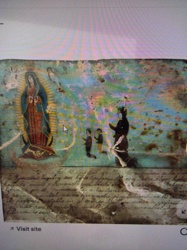
Thangka art paint from a thinker painting from Tibet deflecting The BODHISATTva the future Buddha

AI analysis below

AI appraisal

AI analysis & estimate

AI-Generated · Verify before acting

Everything below is generated by AI for informational purposes only. AI can make mistakes — the AI may misidentify items or misattribute them (artist, maker, brand, designer, origin, era). This is not an official valuation and should not be used for insurance, sale, tax, estate, legal, or lending purposes — or any decision requiring a certified appraisal. It is not an authoritative claim about any person, brand, or rights holder — do not share or rely on it as a factual statement about a third party. Always consult qualified professionals before making financial decisions.

Note

This analysis also relies on unverified notes provided by the user, which may be incomplete or inaccurate and could affect the result.

Read the full disclaimer

AI Identification

·Not independently authenticated·Verify before acting

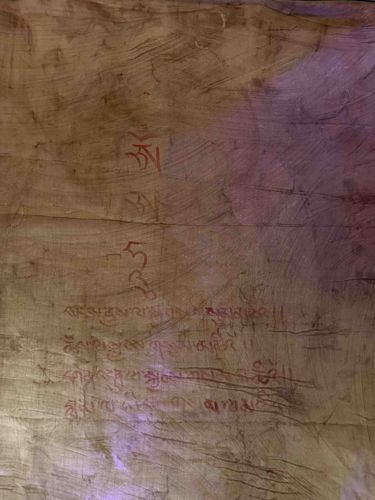
Tibetan Thangka Verso with Consecration Inscription of Maitreya Buddha

Religious Art and Antiquities

AI Estimated Value

·Not an official valuation·Verify before acting

$1,200 - $1,800 USD

As of June 10, 2026

AI Item Analysis

·AI can make mistakes·Verify before acting
This item is the verso (reverse side) of a traditional Tibetan Thangka painting, crafted on a tightly woven cotton or linen fabric canvas. The surface displays a distinct aged patina with yellowed tones and visible moisture staining, or perhaps intentional pigment application, in shades of purple and ochre. Centrally located are five vertical characters in red cinnabar ink, likely representing the sacred 'Om Ah Hum' syllables used for spiritual activation. Below these syllables are four lines of cursive Uchen or Umê Tibetan script, which typically contain mantras or dedicatory prayers specific to the deity depicted on the front—identified here as Maitreya, the future Buddha. The fabric shows significant wear, including horizontal creasing, minor fraying at the edges, and surface abrasions consistent with a late 19th to early 20th-century origin. The presence of these hand-written inscriptions indicates the piece underwent a formal consecration ritual by a lama, marking it as a genuine liturgical object rather than a purely decorative tourist item. The textile's coarse texture and the hand-applied nature of the pigments suggest traditional Himalayan craftsmanship and long-term devotional use.
AI Appraisal Report

·AI can make mistakes·Verify before acting
I have examined the digital representation of this Tibetan Thangka verso. The presence of 'Om Ah Hum' syllables in cinnabar ink and the accompanying cursive Tibetan script consecration strongly suggest this was a functioning liturgical object from the late 19th or early 20th century. The visible moisture staining, horizontal creasing, and patina on the linen canvas align with prolonged devotional use in a Himalayan climate. Authenticity is supported by the specific calligraphy style and the ritual importance of the Maitreya dedication. However, condition issues like fraying and abrasions present a challenge to pristine preservation. The market for consecrated Thangkas remains steady, with collectors particularly valuing pieces that show clear evidence of ritual activation. Comparables for standalone ritual backings of this age typically reach the mid-four-figure range when history is verified. The value is significantly impacted by the absence of the primary visual field (the recto painting), which limits its decorative appeal but enhances its value as a religious artifact. Note that this appraisal is based on photographic evidence. A full authentication would require physical inspection to verify pigment composition via X-ray fluorescence (XRF) and to confirm the absence of synthetic laboratory-aged dyes. Provenance documentation tracing the item's export history from the Tibetan region is also critical to establishing full legal and marketable title.

Get your items appraised

Instant estimates of your treasures with AI-powered appraisals

Browse More Appraisals